
Unbiased headlines. Facts, not spin.
Every story is an unbiased news briefing written from 110+ sources across the spectrum — sources linked so you can verify it yourself.
 economy
Notable (6/10)
July 26, 2026 at 01:05 AM
economy
Notable (6/10)
July 26, 2026 at 01:05 AM
USDA to Reopen Mexican Cattle Border Ports Starting August 24, Ending 15-Month Screwworm Ban
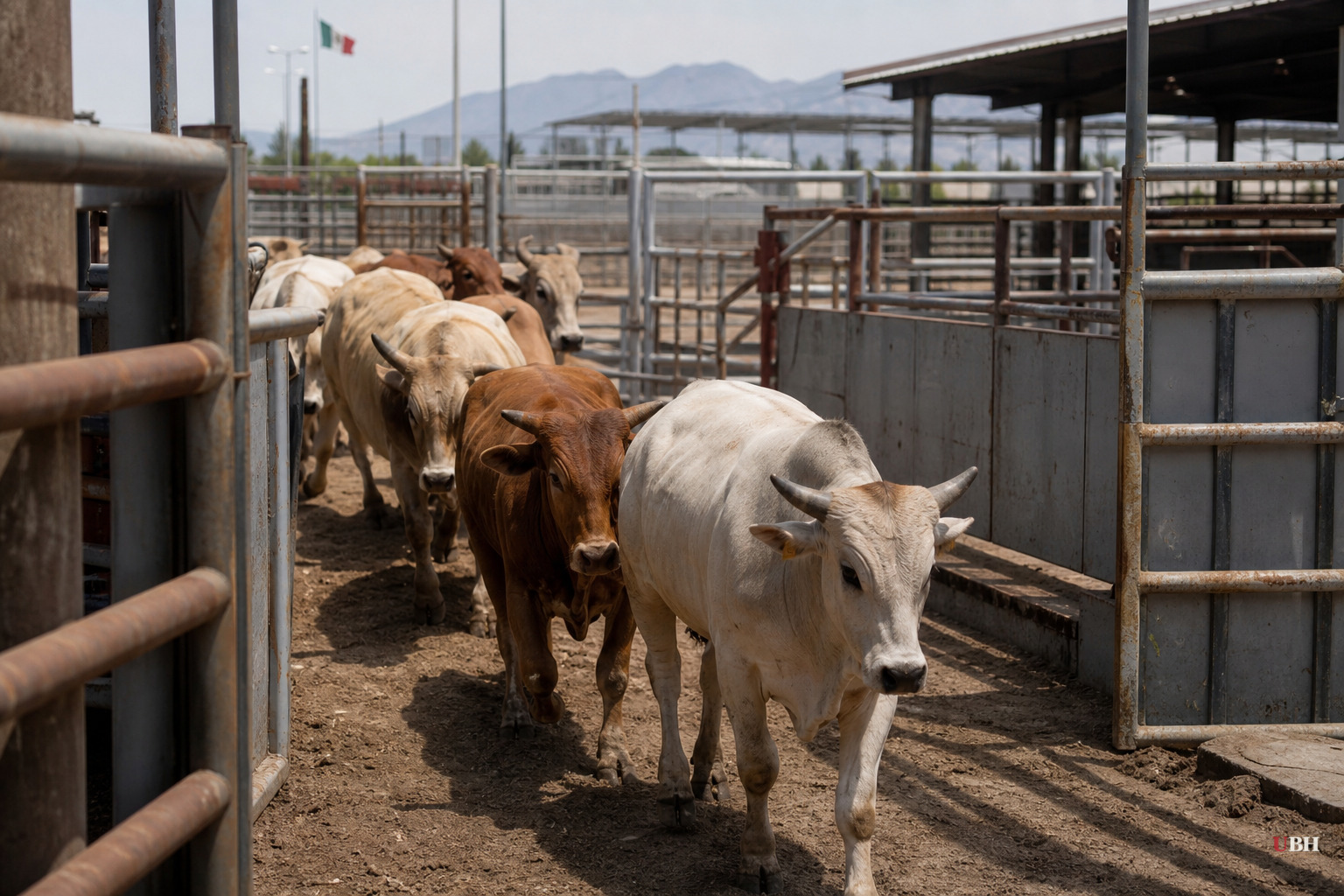
The U.S. Department of Agriculture said Friday it will start reopening southern border ports to Mexican cattle on August 24, ending a suspension that has lasted more than 15 months.
The USDA shut down live cattle imports from Mexico on May 11, 2025, to fight the spread of New World screwworm, a parasite whose larvae burrow into the living flesh of warm-blooded animals. The pest has since turned up in Texas and New Mexico, according to the USDA, which is exactly what the ban was meant to prevent.
The reopening will not happen all at once. The USDA said it will first admit cattle through the port at Douglas, Arizona, with two more ports in New Mexico following afterward. Texas crossings, where infestation risk from southern Mexico is highest, are notably absent from this first phase.
The agency picked Arizona and New Mexico for a reason. Those ports sit farther from Mexico's heaviest screwworm infestations, which are concentrated in the south of the country. USDA officials identified Sonora and Chihuahua as the lowest-risk Mexican states, citing what the agency called strong, well-established inspection programs and geographic distance from the outbreak zone.
Every animal crossing will get checked. "Every animal entering the United States through these ports will undergo a full USDA inspection to ensure it is free of any signs of New World screwworm," the USDA said in its announcement.
Agriculture Secretary Brooke Rollins tied the reopening directly to the earlier shutdown, saying the closure of the southern ports had been necessary to protect the U.S. cattle herd. The agency has framed the resumption as conditional, not automatic, meaning it depends on Mexico continuing to hold up its side of a screwworm control program.
Mexican President Claudia Sheinbaum confirmed the timeline from her side the same day. She said on X that she had directed Mexican authorities to speed up preparations so cattle movement could restart as soon as possible. Sheinbaum said exports will resume through Agua Prieta, Sonora, in the last weeks of August, with two additional crossing points in Chihuahua opening shortly after.
Why This Took So Long, and Why It Matters
Screwworm is not a hypothetical threat. The larvae feed on living tissue, and left untreated, infestations can kill livestock and wildlife. The U.S. eradicated the parasite domestically decades ago through a sterile-fly release program, but its resurgence in Central America and Mexico over the past two years forced Washington's hand.
A 15-month import freeze is a serious disruption for an industry that relies on cross-border cattle flows, particularly feeder cattle headed to U.S. feedlots. Ranchers and cattle buyers on both sides of the border have had a direct financial stake in how fast this ban lifted. The staged, low-risk-first approach reflects a government trying to balance that economic pressure against the real risk of importing an active infestation.
The strongest case for caution is straightforward: screwworm has already been detected in Texas and New Mexico despite the ban, which is a fair reason for skeptics to ask whether reopening any port right now is premature. The USDA's answer is that inspection protocols and Mexico's control measures in Sonora and Chihuahua specifically are strong enough to manage that risk at these particular crossings, distinguishing them from higher-risk Texas routes that remain closed.
Whether that risk assessment holds up will be tested starting August 24, when cattle actually begin moving through Douglas, Arizona. The USDA has not announced a specific date for when the New Mexico ports or the additional Chihuahua crossings will follow, only that they will come after the initial reopening. Texas ports remain closed with no announced reopening date, leaving the state's cattle industry, the largest in the country, still shut out of Mexican imports for now.
Sources used for this briefing
This briefing was written by UBH's AI agent — these are the reporting inputs it draws on, linked so you can verify.


