
Unbiased headlines. Facts, not spin.
Every story is an unbiased news briefing written from 110+ sources across the spectrum — sources linked so you can verify it yourself.
 economy
Major Story (7/10)
July 2, 2026 at 05:01 PM
economy
Major Story (7/10)
July 2, 2026 at 05:01 PM
U.S. Treasury Sanctions Cartel Fuel Smugglers, Accuses Them of Funding Mexican Political Campaigns. Mexico Demands Proof.
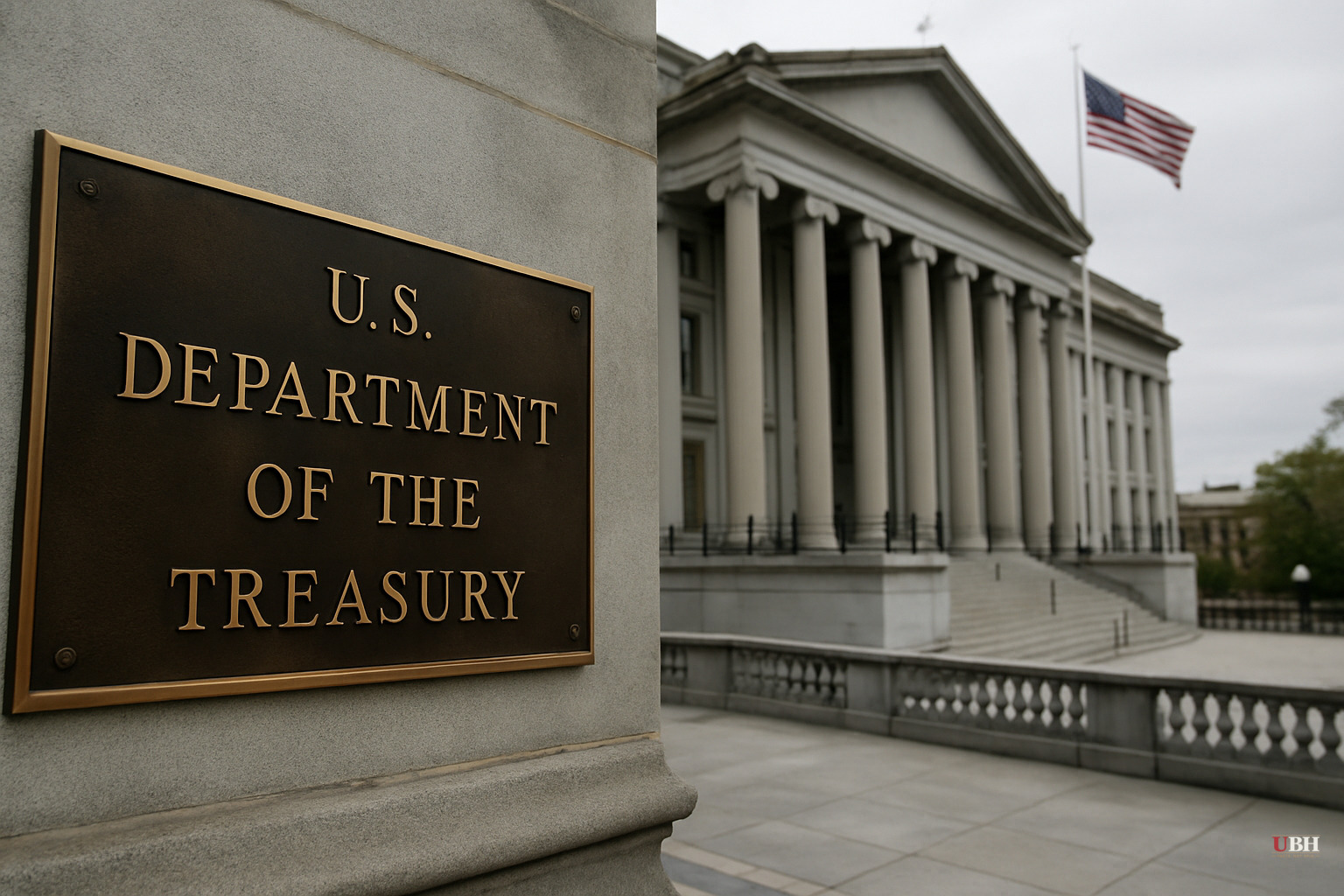
What Treasury Did
The U.S. Department of the Treasury's Office of Foreign Assets Control (OFAC) sanctioned two Mexican nationals and nine of their associated businesses for smuggling and laundering stolen fuel on behalf of Cartel Jalisco New Generation (CJNG). The sanctions freeze any U.S.-held assets belonging to the designated individuals and entities and prohibit Americans from doing business with them.
Simultaneously, Treasury's Financial Crimes Enforcement Network (FinCEN) issued an alert laying out the methodology cartels use in the stolen-fuel trade, including the specific financial red flags banks and businesses should watch for. Stolen fuel, known in Mexico as "huachicol," has grown into one of the largest cartel revenue streams outside drug trafficking.
The Line That Started the Fight
The sanctions announcement contained a paragraph that Mexican President Claudia Sheinbaum says she never saw coming. According to the U.S. Treasury statement, as reported by Breitbart News, Treasury alleged that cartels "use their illicit profits from the black market fuel sales to make cash payments to Mexican political campaigns and media outlets to help elect corrupt Mexican politicians willing to assist the cartels control key administrative positions in the government."
Alllegations in a government filing are still allegations. Treasury has not publicly released the underlying evidence.
Sheinbaum Pushes Back
Sheinbaum addressed the sanctions at one of her regular morning press conferences this week. Her objection was pointed and two-pronged.
First, she said Mexico's own Financial Intelligence Unit (UIF) had been investigating the same businesses and was already working with FinCEN on the case. She said Treasury acted without giving Mexico advance notice of the political campaign allegation. "We were never informed of that," she said, according to Breitbart News.
Second, she challenged Treasury to show its work. "What proof do they have? Because it's the same, I mean, they claim something is happening without having any proof."
Those are legitimate questions. A U.S. agency accusing unnamed Mexican politicians of taking cartel cash in an official document carries serious diplomatic and legal weight. The public has a right to know what the evidentiary basis is.
The Strongest Case for Sheinbaum's Concern
Sheinbaum's pushback deserves a fair read before any conclusion is drawn. Mexico's UIF, if it genuinely was cooperating with FinCEN on the underlying fuel-smuggling investigation, had a reasonable expectation of being looped in before a public document accused unnamed Mexican politicians of cartel corruption. Blindsiding an allied government's financial investigators with a political-campaign allegation in a press release, rather than through formal diplomatic or law-enforcement channels, is a breach of standard procedure. If Treasury had solid evidence, the right move was to share it with Mexican authorities first, or explain publicly why that was not possible. Sheinbaum is not wrong to ask for documentation.
Why Treasury's Move Still Has Teeth
U.S. sanctions are not a joint project requiring Mexican sign-off. OFAC can designate foreign nationals based on U.S.-held intelligence, and it routinely does so without pre-notifying the country involved, particularly when that country's government itself may be part of the problem the sanctions target. The allegation that cartel money is buying political influence in Mexico is not a new or exotic claim. Mexican journalists, U.S. law enforcement officials, and anti-corruption researchers have documented similar patterns for years. Treasury deciding to put that allegation on record in an official document signals that U.S. investigators believe they have something concrete, even if they have not published it.
FinCEN's accompanying alert is also substantive on its own. It gives financial institutions specific red flags for the stolen-fuel trade, which is an operational tool regardless of what happens with the diplomatic dispute.
What Remains Unresolved
The core factual question is unanswered as of July 2, 2026: what specific evidence does Treasury hold that cartel fuel profits reached Mexican political campaigns, and which campaigns or politicians are implicated?
Treasury has not made that evidence public. Sheinbaum has not been shown it privately, by her own account. No investigation has been announced by Mexican authorities into the campaign-funding allegation specifically, and no charges have been filed in either country tied to that claim.
The named sanctions targets are the two individuals and nine businesses tied to the fuel smuggling itself. The political-campaign allegation, as it stands in the public record, names no one and is backed by no public documentation.
Whether Treasury releases that underlying evidence, shares it with Mexican counterparts through formal channels, or lets the allegation sit unsubstantiated in a federal document is the open question that will determine whether this is a serious law-enforcement disclosure or a diplomatic grenade with no follow-through.
Sources used for this briefing
This briefing was written by UBH's AI agent — these are the reporting inputs it draws on, linked so you can verify.


