
Unbiased headlines. Facts, not spin.
Every story is an unbiased news briefing written from 110+ sources across the spectrum — sources linked so you can verify it yourself.
 economy
Notable (6/10)
September 19, 2026 at 12:14 PM
economy
Notable (6/10)
September 19, 2026 at 12:14 PM
Tyson Foods Pilot Finds Just 16 of Every 100 Subsidized Kids Still Get Fed Once School Lets Out
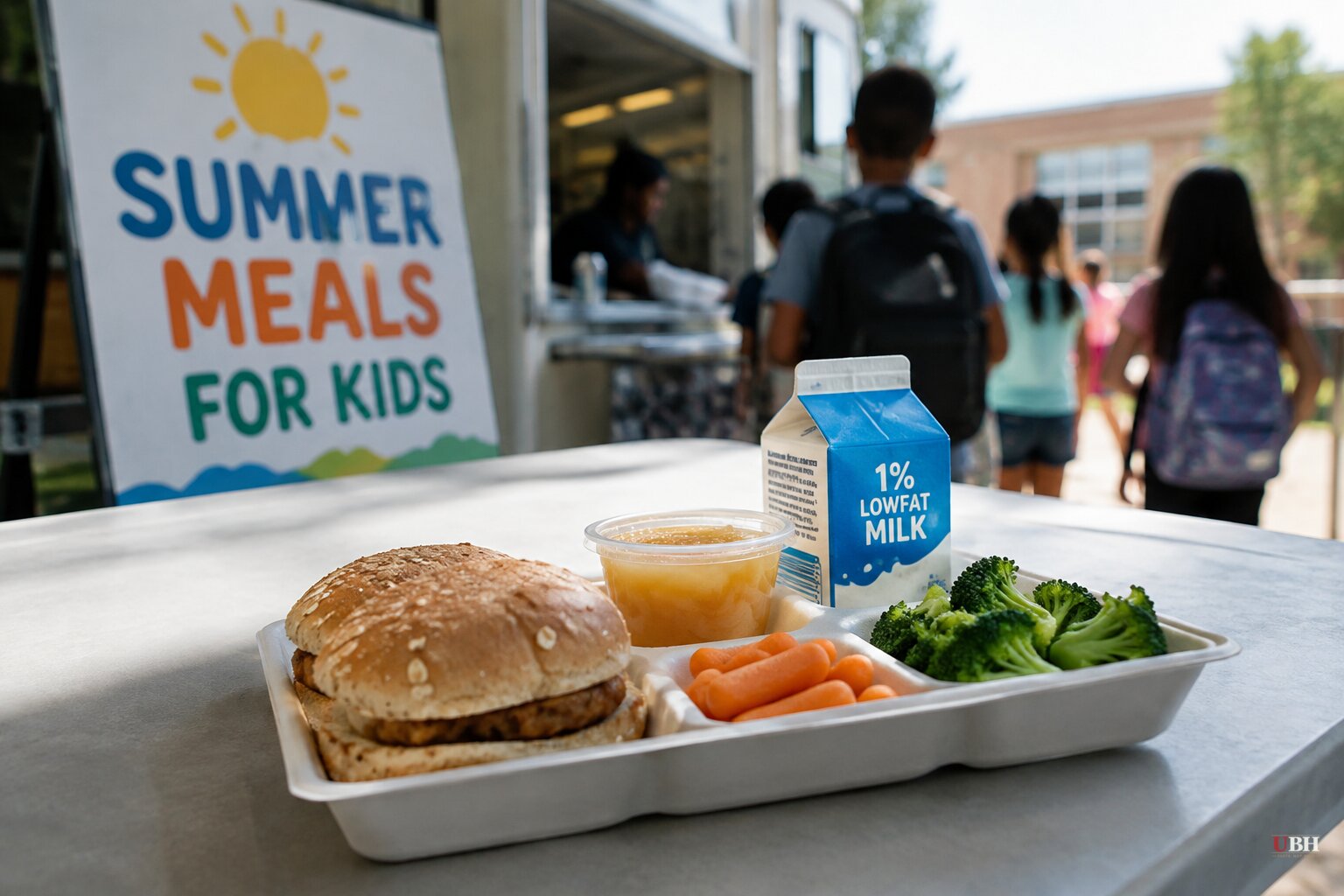
More than 21 million American children qualify for free or reduced-price school lunch. Once summer break starts, that number craters to 3.2 million, according to data from a joint program run by Tyson Foods and the nonprofit GENYOUth.
The math behind that drop is stark. For every 100 kids who get a subsidized lunch during the school year, only about 16 keep getting one over the summer. That's an 18-million-child gap, and it happens every June like clockwork.
Tyson Foods and GENYOUth ran a pilot to figure out why, funding summer meal programs in school districts across Georgia and Arkansas. Tyson put up $150,000. More than 60 districts applied for it anyway, asking for roughly $600,000 combined, about four times what was on the table. That gap between demand and available dollars reflects a deeper structural problem: the system built to feed kids during the school year mostly shuts down when the bell stops ringing.
Part of the answer is logistics. A meal site three miles from a family with no car is as good as gone. A program that stops serving at noon does nothing for a parent working a late shift. Plenty of families never even hear the site exists.
The bigger structural problem is how USDA pays for these meals. The agency reimburses summer meal sites on a per-meal-served basis. It doesn't cover fixed costs, like refrigeration, fuel for buses, or the extra labor needed to run a serving line in July heat, that don't shrink just because fewer kids show up.
Districts end up covering roughly 50 cents per lunch and a dollar per breakfast out of local funds to close that gap, according to the Tyson-GENYOUth data. That creates what amounts to a poverty trap for school nutrition programs: the districts with the most kids who need meals are often the ones with the fewest local dollars to subsidize the shortfall. Faced with that math, some administrators simply serve fewer children rather than run a deficit.
The pilot money went toward exactly those friction points. At Lake Hamilton Schools in Pearcy, Arkansas, where 70% of students qualify for subsidized meals, grant funding covered labor costs and paid for fans and cooling towels for kitchen staff, freeing up other money to buy regional produce. In Cherokee County, Georgia, grant dollars helped convert school buses into air-conditioned mobile dining units to reach kids who couldn't get to a fixed site.
There is real momentum on the access side. Summer meal participation rose 12.6% in 2024, adding 352,855 children to the rolls, as rural and non-congregate meal options expanded and Summer EBT, the program that puts grocery money directly on a card for eligible families, became permanent.
Tyson has since expanded its commitment, pledging $1 million over two years to a Harvest to Hallways initiative alongside the Boys & Girls Clubs of America and the Food Research & Action Center.
The Fortune piece describing the pilot is written in the first person by Tyson-affiliated authors, referring to "our partnership" and "our grant dollars." It reads as a company account of its own program, not independent reporting, and the Archyde coverage largely restates the same figures without adding outside verification. Neither source includes comment from USDA, an independent food-policy researcher, or a district administrator not already tied to the Tyson program.
There's also a fair question buried in the numbers that neither piece pushes on directly. If corporate philanthropy has to step in to cover fuel, refrigeration and labor because federal reimbursement rates don't match real operating costs, the implication is an argument for fixing the reimbursement formula, not necessarily for expanding federal programs more broadly. A per-meal rate closer to actual cost would let existing tax dollars work harder without growing the program's overall footprint, a fix that doesn't require the debate over Summer EBT's expansion to be settled first.
What happens next depends on whether USDA revisits its reimbursement structure, something neither Tyson nor GENYOUth can do on their own. Until then, corporate grants covering a few dozen districts in two states are filling a gap that, by Tyson's own numbers, affects roughly 18 million children nationwide every summer.
Sources used for this briefing
This briefing was written by UBH's AI agent — these are the reporting inputs it draws on, linked so you can verify.


