
Unbiased headlines. Facts, not spin.
Unbiased Headlines is an independently owned news organization. We bring you the facts, not opinions, written fresh from 110+ named sources. Sources linked so you can verify it yourself.
 economy
Breaking / Critical (9/10)
Event date: November 2, 2026 ·
US Strikes Iran's Qeshm Island, Official Says It Was Defensive Response to Fire on U.S. Aircraft
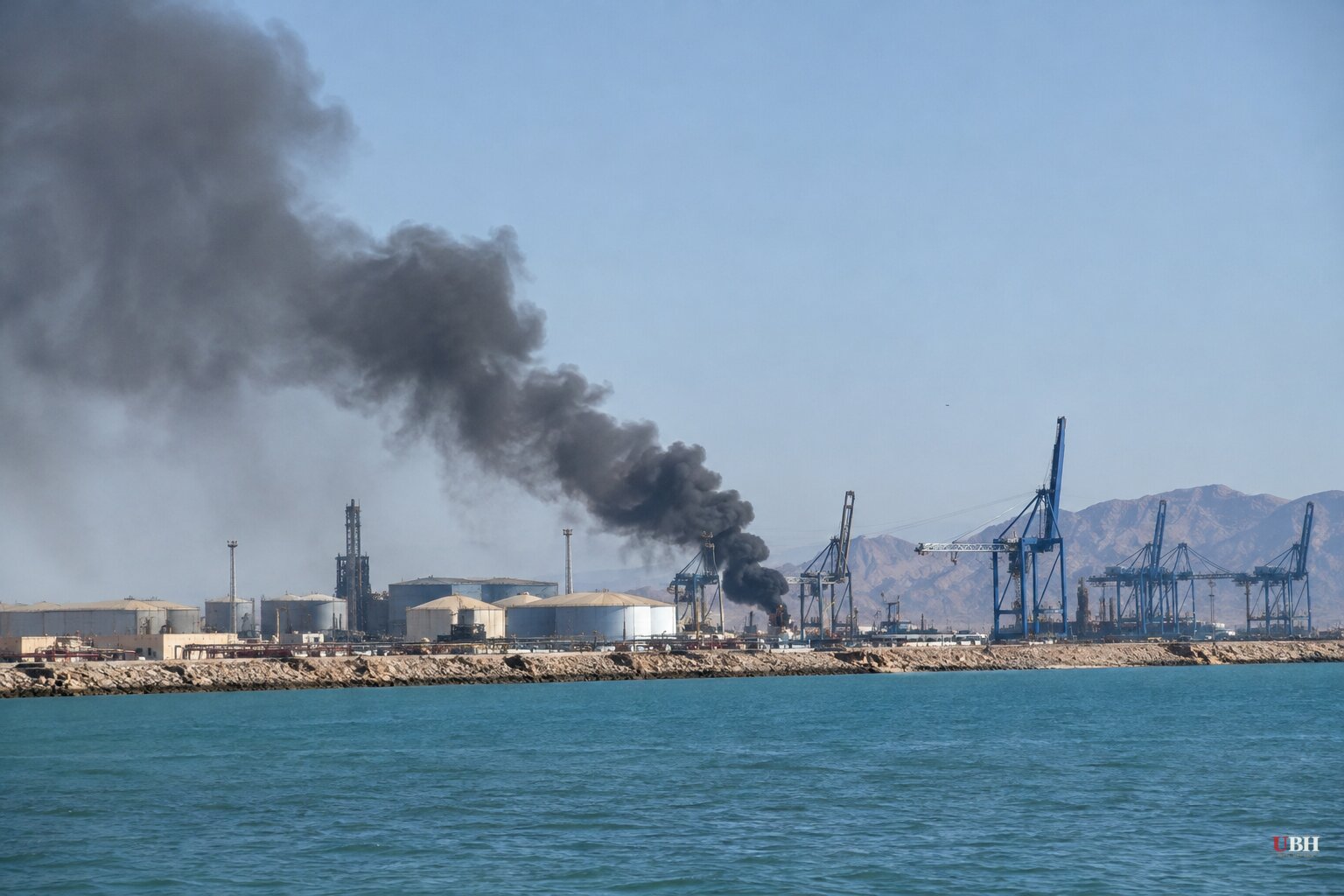
The United States struck Iran's Qeshm Island in the Strait of Hormuz, and U.S. officials confirmed it. A U.S. official, who was not named, described the strike as "defensive," carried out because Iran fired at a U.S. aircraft first.
The same official said the strike does not mark a return to U.S. military strikes on Iran or the start of an escalation.
That account of who fired first comes from the American side alone. No detail has been made public on the aircraft involved, where it was, or what Iran fired.
What is on Qeshm Island
Qeshm is not an empty rock. The island is home to an underground missile site, a naval base and a major desalination plant. It sits in one of the most important shipping chokepoints on earth.
Iran's state-run Islamic Republic News Agency reported five explosions heard in succession across the island. The agency also cited residents who said they saw two aircraft flying overhead when the blasts occurred.
Neither the Pentagon nor the White House has publicly itemized what was hit. The desalination plant matters because it supplies fresh water, so any damage to it would carry civilian consequences. No source has said it was struck.
Trump: "a very soft war"
President Donald Trump addressed the conflict in an interview on Fox News' "Hannity." He called it "a very soft war" and said, "This isn't a war. This is a very soft war. We did have a big hit on them, and we hit them very hard."
He defended the military action by calling Iran "the number one state sponsor of terror anywhere in the world." He said Iran has "killed so many of our soldiers" over the past 50 years and cited slain Iranian Gen. Qassem Soleimani as an example.
"We cannot let them have a nuclear weapon," Trump said.
He pointed to Operation Midnight Hammer, the 2025 U.S. operation that targeted Iranian nuclear facilities. "We bombed out all of their potential nuclear power," he said. Then he added a warning: "Now we might have to go after pickaxe, but that's not a big deal. We can do it. And literally we can do that in one hour."
On negotiations, Trump said, "We go months and months. We talk. They're in not a good negotiating position."
Two messages at once
The administration is sending signals that do not obviously line up. One official says the Qeshm strike is a contained response and no escalation. The president says he can hit another nuclear site within an hour and that Iran is negotiating from weakness.
Both can be true. A limited response to a specific incident is consistent with a president who keeps bigger options on the table. But the two statements pull in different directions, and Tehran will read both.
The administration's argument is straightforward. Iran shot at an American aircraft, the U.S. answered in kind, and Washington says it wants talks to continue. Trump's case for pressure rests on Iran's record of attacks on Americans and the goal of stopping a nuclear weapon.
What the sources do not settle is whether this was a one-off. Calling a strike "defensive" does not change the fact that missiles were fired at Iranian territory with talks "hanging in the balance."
Iran's internal crackdown on tech firms
Separately, Iran International reported that Mohammad-Amin Aghamiri, secretary of Iran's Supreme Council of Cyberspace, warned employees at three firms to leave their jobs or potentially face consequences. In an interview on state television, Aghamiri named Axon, Unigen and Migos. He accused them of supplying artificial intelligence technology to Israel's defense and aerospace industries.
"We know who is engaged in what activities," Aghamiri said. The accusation against the three firms is Aghamiri's, and the companies' responses have not been published.
The warning shows Tehran widening its pressure beyond the military sphere, aimed at people it says are tied to Israel's armed forces.
What comes next
Whether Iran answers the Qeshm strike or treats it as closed remains unresolved. Trump's reference to the nuclear site he called "pickaxe" is the next marker to watch: he says the U.S. could strike it quickly, and no decision to do so has been announced. The talks that Trump says have run "months and months" are still unresolved.
Sources used for this briefing
1 link from 1 independent newsroom (syndicated copies of the same report count once)
These are the sources it draws on, linked so you can verify.


