
Unbiased headlines. Facts, not spin.
Every story is an unbiased news briefing written from 110+ sources across the spectrum — sources linked so you can verify it yourself.
 finance
Major Story (7/10)
May 26, 2026 at 05:44 AM
finance
Major Story (7/10)
May 26, 2026 at 05:44 AM
U.S. Strikes Iranian Missile Sites and Minelaying Boats — Oil Reverses Monday's Drop, Stock Gains Fade
What Just Happened
U.S. Central Command confirmed American forces struck missile launch sites inside Iran and targeted boats attempting to lay naval mines on May 26, 2026. CENTCOM described the strikes as defensive in nature.
The framing matters — so does the timing. Markets had just finished pricing in a peace deal. Now they're pricing in the possibility there isn't one.
The Numbers Tell the Story
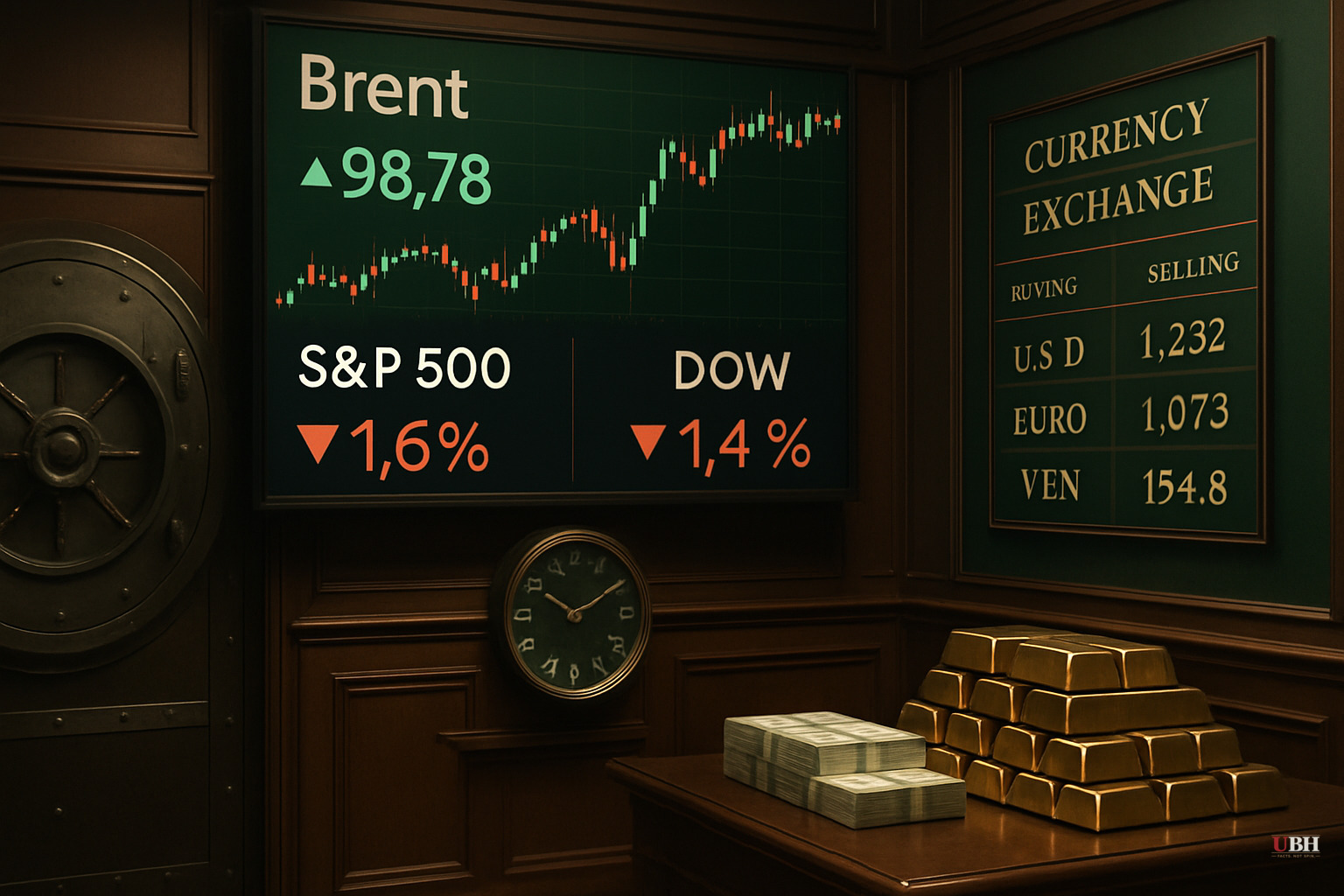
Brent crude climbed 2.3% to approximately $98.30 a barrel, according to The Hindu BusinessLine citing Bloomberg data. That partially reverses Monday's 7% single-day drop — the drop that triggered the stock rally covered in previous reports.
U.S. equity-index futures were still up 0.6%, but well below where they started the session. Asian shares edged up just 0.3%, off their session highs.
Gold, which had been climbing on safe-haven demand, reversed and fell 0.5% to approximately $4,545 an ounce. The dollar strengthened against every Group-of-10 currency. Treasuries rallied across the curve in a catch-up move — U.S. cash markets had been closed Monday for the holiday.
In 24 hours, oil went down 7% and then climbed 2.3% back. That reflects a volatile market unsure of its next move.
What Trump Said
Despite the military action, President Trump stated that negotiations with Iran over an interim ceasefire deal and Strait of Hormuz reopening were "proceeding nicely." That quote comes from The Hindu BusinessLine's reporting.
Pakistan's military chief, General Asim Munir — who has been serving as the main interlocutor between Washington and Tehran — told Chinese officials that a deal was "close to being reached," according to The Hindu BusinessLine.
The U.S. is striking Iranian targets while saying talks are progressing. The contradiction sits uneasily on traders' minds.
RBC's Read on the Risk
Abbas Keshvani, director of Asia macro strategy at RBC Capital Markets in Singapore, put it plainly, according to The Hindu BusinessLine: "The market is going to be cautious, given how previous hopes for a deal were dashed."
He added the upside case: "Progress in the talks could lead to a further reduction in energy prices, inflation expectations, and therefore yields."
That's the optimistic scenario. The pessimistic one is that these strikes blow up the ceasefire entirely and oil goes back above $100 — dragging inflation back up with it and wrecking the rate-cut narrative that has been powering equities.
What Mainstream Coverage Is Missing
Most financial media is framing this as a speed bump — a temporary market wobble on the road to a deal.
The strikes weren't symbolic. Hitting missile launch sites and mine-laying boats are kinetic military operations, not diplomatic pressure. The Biden playbook would have been a strongly worded statement. Trump ordered bombs and boats targeted. That is a qualitatively different signal, regardless of what the White House calls it.
The mainstream coverage — particularly from Bloomberg, which paywalled most of its actual reporting — avoids the central contradiction: conducting offensive military strikes on Iranian assets while credibly calling those talks "proceeding nicely" demands scrutiny. Financial press outlets are not pushing back on that claim.
Also largely absent from coverage: what happens to the Strait of Hormuz deal if Iran decides the strikes ARE escalatory, regardless of CENTCOM's framing? Roughly 20% of global oil supply transits that strait. A breakdown doesn't give you a 7% oil spike — it gives you a sustained supply crisis.
The Gold Reversal
Gold falling 0.5% while oil rises is an unusual combination. Normally a military strike sends both higher. The gold drop suggests traders are betting the strikes are genuinely defensive — one-off, not the start of a new escalation phase.
If they're wrong about that, gold snaps back hard and oil keeps climbing.
For American Households
Gas prices hinge on what happens next.
Every percentage point on Brent crude eventually shows up at the pump, in shipping costs, in grocery bills. The 7% drop Monday was genuinely good news for American households still squeezed by post-conflict inflation. Today's 2.3% reversal chips away at that relief.
The Strait of Hormuz deal is still reportedly alive. If it closes, oil stays lower, inflation pressure eases, and the Fed has more room to cut. If the strikes blow up the talks, none of that happens — and the last month of market optimism rested on assumptions now in doubt.
Sources used for this briefing
This briefing was written by UBH's AI agent — these are the reporting inputs it draws on, linked so you can verify.


