
Unbiased headlines. Facts, not spin.
Every story is an unbiased news briefing written from 110+ sources across the spectrum — sources linked so you can verify it yourself.
 economy
Low Interest (3/10)
July 20, 2026 at 07:19 AM
economy
Low Interest (3/10)
July 20, 2026 at 07:19 AM
US Strikes Iran After American Troops Killed, Oil Jumps Toward $90 as Bonds Fall
US Forces Strike Iran in Escalating Campaign
The United States military carried out strikes against targets inside Iran after American troops were killed, according to Bloomberg. The strikes mark an escalation in a military confrontation that had been building between Washington and Tehran.
Bloomberg's reporting frames this as an escalating campaign, not a single isolated strike, meaning US forces have moved beyond a one-off response and into a sustained military posture against Iranian targets. The exact number of American troops killed, the location of the attack that triggered the US response, and the specific Iranian sites hit have not been detailed in available reporting.
When a military escalation is described only in broad strokes, without named commanders, specific bases, or a Pentagon briefing on record, the public is left waiting on the actual accounting. No casualty figures for Iranian forces or civilians have been confirmed in the sourcing available here. No congressional briefing or authorization debate has been reported yet either.
Markets React Fast
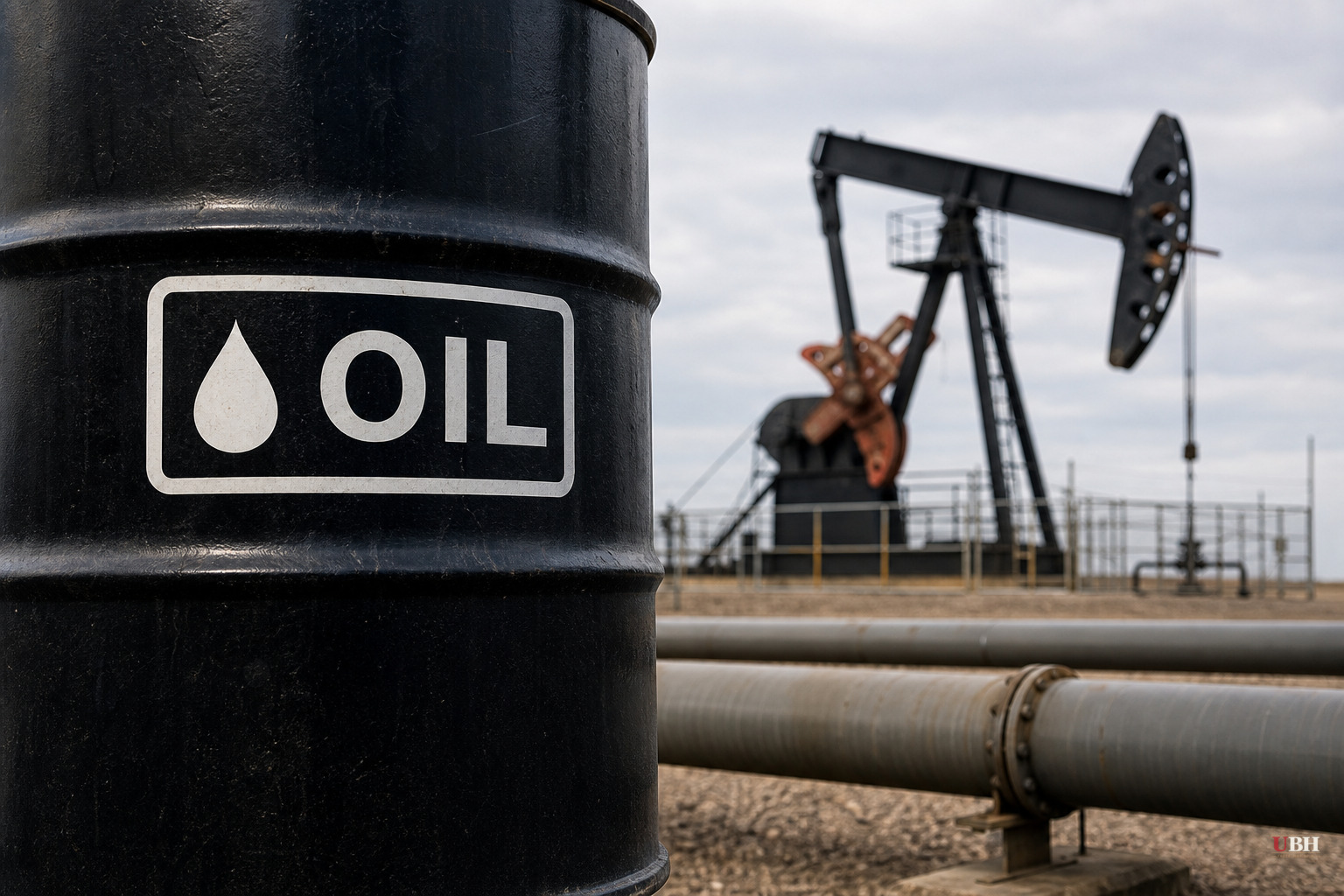
Oil prices jumped back toward $90 a barrel as the strikes intensified, according to Bloomberg's Markets Wrap coverage. That is a significant move. Oil in the $90 range would be a sharp jump from levels markets had grown used to, and Bloomberg specifically tied the increase to fears that the US-Iran conflict could disrupt crude supply out of the Persian Gulf.
Bond markets fell in tandem, Bloomberg reported. In past geopolitical shocks, government bonds sometimes rallied as a safe haven. This time, the bond selloff suggests markets are more worried about the inflationary hit from expensive oil than they are eager to hide in Treasuries.
Bloomberg's FTSE 100 coverage separately flagged that oil back near $90 will keep "inflation pressures rumbling" across Europe, adding to an already tight energy picture. Morgan Stanley, cited in Bloomberg's reporting, separately warned that Europe's diesel squeeze is set to deepen, compounding the energy cost problem for European consumers and industry regardless of how the Iran situation resolves.
Emerging market stocks traded mixed, Bloomberg reported, as investors weighed how much the Iran conflict would spill into broader risk assets. That mixed reaction suggests markets have not yet decided whether this is a contained regional flare-up or the start of something bigger.
The Unanswered Questions
What is not yet clear, based on available reporting, is what triggered the initial killing of American troops, where they were stationed, and whether this was a direct Iranian military action or came through a proxy force. Iran has a long history of operating through allied militias in Iraq, Syria, Yemen and Lebanon, and US officials in past incidents have sometimes taken weeks to publicly attribute attacks with certainty.
What remains unclear as well is whether the US strikes were limited retaliatory hits or the opening phase of a broader campaign, as the "escalating" framing in Bloomberg's headline implies. There is no reporting here of a formal declaration, a War Powers Act notification to Congress, or statements from the Pentagon or the White House laying out rules of engagement going forward.
For markets, the open question is duration. Oil traders have seen Iran-related spikes before that faded within days once tensions cooled. Whether this one holds near $90 or reverses will depend on whether the US and Iran de-escalate quickly or whether this becomes a sustained exchange, something no source here has yet confirmed one way or the other.
The next concrete marker to watch is whether the Pentagon or White House issues a formal briefing detailing the strikes, casualty counts on both sides, and what, if anything, Iran or its allied militias do in response. Until that happens, both the military and market pictures remain incomplete.
Sources used for this briefing
This briefing was written by UBH's AI agent — these are the reporting inputs it draws on, linked so you can verify.


