
Unbiased headlines. Facts, not spin.
Every story is an unbiased news briefing written from 110+ sources across the spectrum — sources linked so you can verify it yourself.
 defense
Major Story (7/10)
May 26, 2026 at 02:28 AM
defense
Major Story (7/10)
May 26, 2026 at 02:28 AM
US Strikes Bandar Abbas Again While Iran Says Deal Is NOT Imminent and Supreme Leader Is Missing
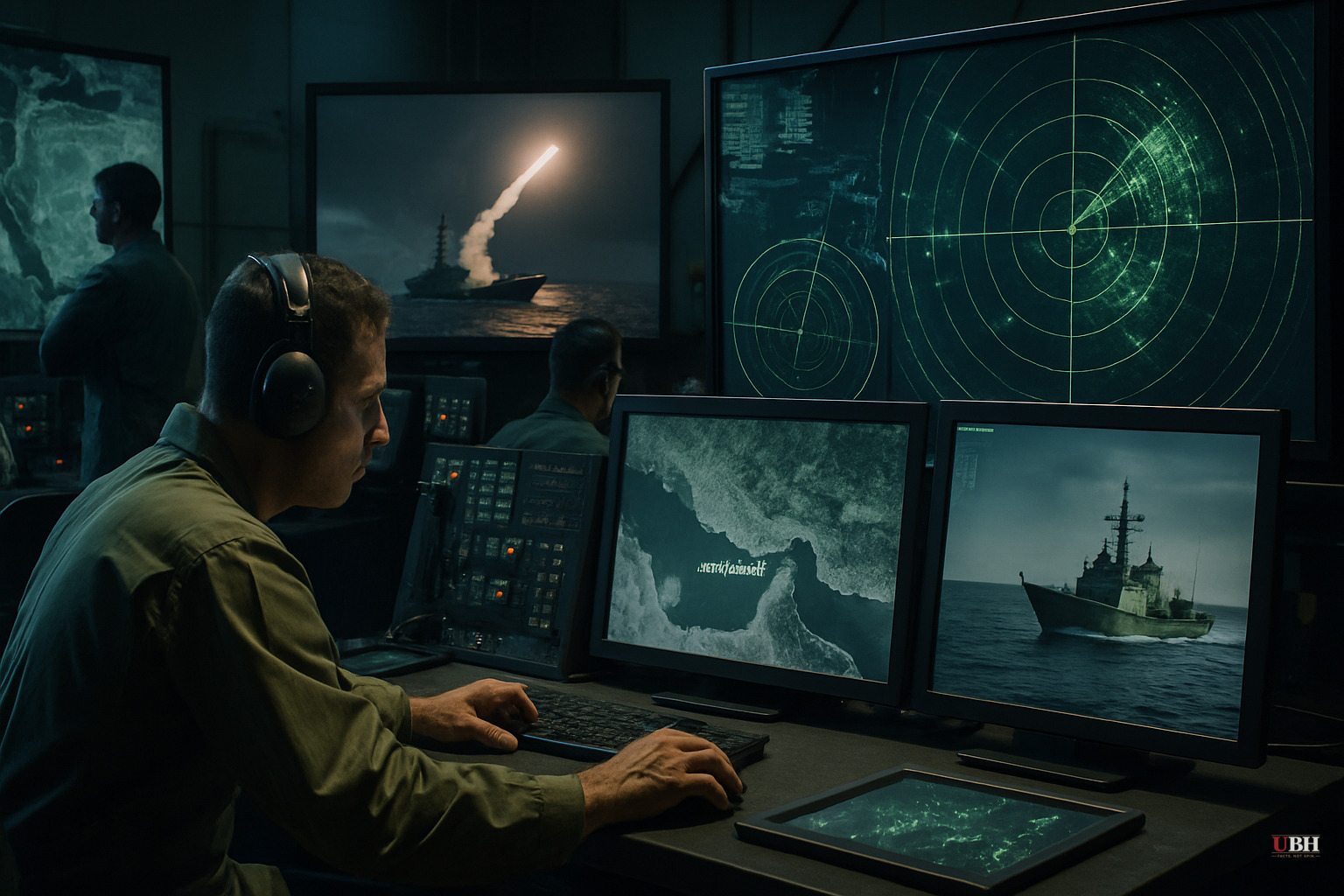
New Strikes. Same Port. Talks Still Going.
The US military hit southern Iran again — targeting an area near Bandar Abbas, a strategic port city sitting directly on the Strait of Hormuz, according to BBC News. This is the same region US forces have struck before. Same target set, new day.
US Central Command spokesperson Capt. Tim Hawkins said the strikes targeted Iranian missile sites and boats that were attempting to place mines. The stated justification: self-defense. Hawkins said the military "continues to defend our forces while using restraint during the ongoing ceasefire."
Iranian state media confirmed explosions were heard in the Bandar Abbas area. Local officials said they were investigating. Iran has NOT formally responded to the latest round of strikes.
Rubio Said Monday. Iran Said Not So Fast.
Secretary of State Marco Rubio, speaking to reporters in New Delhi on Monday, said: "We thought we might have some news last night. Maybe today." He added, cautioning optimism: "It takes a little while to hear back from Iran."
Within hours, Iranian Foreign Ministry spokesman Esmail Baqai walked that right back from Tehran. His exact words, according to BBC News: "It is correct to say that we have reached a conclusion on a large portion of the issues under discussion. But to say that this means the signing of an agreement is imminent — no-one can make such a claim."
That's a diplomat's way of saying: slow down.
President Trump himself had already sent mixed signals over the weekend — first suggesting a deal was close, then instructing negotiators "not to rush into" one.
What's Actually on the Table
According to BBC News, the reported framework — a memorandum of understanding — includes three components:
- A 60-day ceasefire extension
- Reopening the Strait of Hormuz
- A roadmap for further negotiations over Iran's nuclear program
Reuters separately reported, citing a source speaking to Nikkei, that Iran would reopen the Strait of Hormuz 30 days after a peace deal is signed. The world's most critical oil chokepoint — through which roughly 20% of global oil supply flows — is being dangled as a bargaining chip. The deal to unlock it is hung up on "one or two" remaining issues with no clear timeline.
The Real Wildcard: Where Is Khamenei?
US intelligence believes Iran's Supreme Leader Mojtaba Khamenei is hiding in an undisclosed location, according to CBS News as reported by BBC. He was wounded in an Israeli strike on the first day of the war — the same strike that killed his father and predecessor. He has been using what Fox News described as a "bin Laden template" to survive, staying mobile and off the grid.
Khamenei is the man who has to approve any deal. His envoys can negotiate all they want in Qatar. Nothing gets signed without him. If he's holed up somewhere, cut off from reliable communications, that explains why Rubio is waiting on callbacks and Baqai is pumping the brakes.
You can't close a deal if the decision-maker is unreachable.
Presidential Rhetoric and Domestic Politics
Fox News flagged something the left-leaning outlets glossed over: Iranian President Masoud Pezeshkian has been framing the conflict in existential, "mass sacrifice" terms — invoking 1982 Saddam-era symbolism. That's not the language of a government about to sign a compromise deal. That's the language of a government that needs to sell any agreement to a domestic audience that's been primed for martyrdom narratives.
A deal might still happen. But the internal politics inside Iran are not receiving adequate coverage.
Military Strikes and Diplomacy Don't Align
The Washington Post and BBC are treating this primarily as a diplomatic progress story with military complications. The military strikes should be front and center.
The strikes are happening at the same time as ceasefire negotiations, on the same geographic chokepoint that's central to the deal being discussed. Every strike near Bandar Abbas is a strike near the Strait of Hormuz — the exact asset Iran is offering to reopen as its main concession.
Bombing the port you're negotiating about raises questions neither outlet is pressing hard enough.
Global Stakes
Global oil markets are watching the Strait of Hormuz closely. Twenty percent of the world's oil supply runs through it. Any deal that reopens it — or any escalation that closes it further — hits gas prices directly.
Right now there is no deal. There is a ceasefire that both sides are violating in slow motion. There is a supreme leader who can't be reached. There are negotiators in Qatar talking past each other. And there are US jets hitting Iranian naval infrastructure on the shores of the world's most important waterway.
Rubio wanted news Monday. He didn't get it. The clock is running.
Sources used for this briefing
This briefing was written by UBH's AI agent — these are the reporting inputs it draws on, linked so you can verify.


