
Unbiased headlines. Facts, not spin.
Every story is an unbiased news briefing written from 110+ sources across the spectrum — sources linked so you can verify it yourself.
 economy
Notable (6/10)
August 2, 2026 at 07:15 PM
economy
Notable (6/10)
August 2, 2026 at 07:15 PM
US Releases $600 Million to Gavi Vaccine Alliance, But Money Won't Flow Through WHO
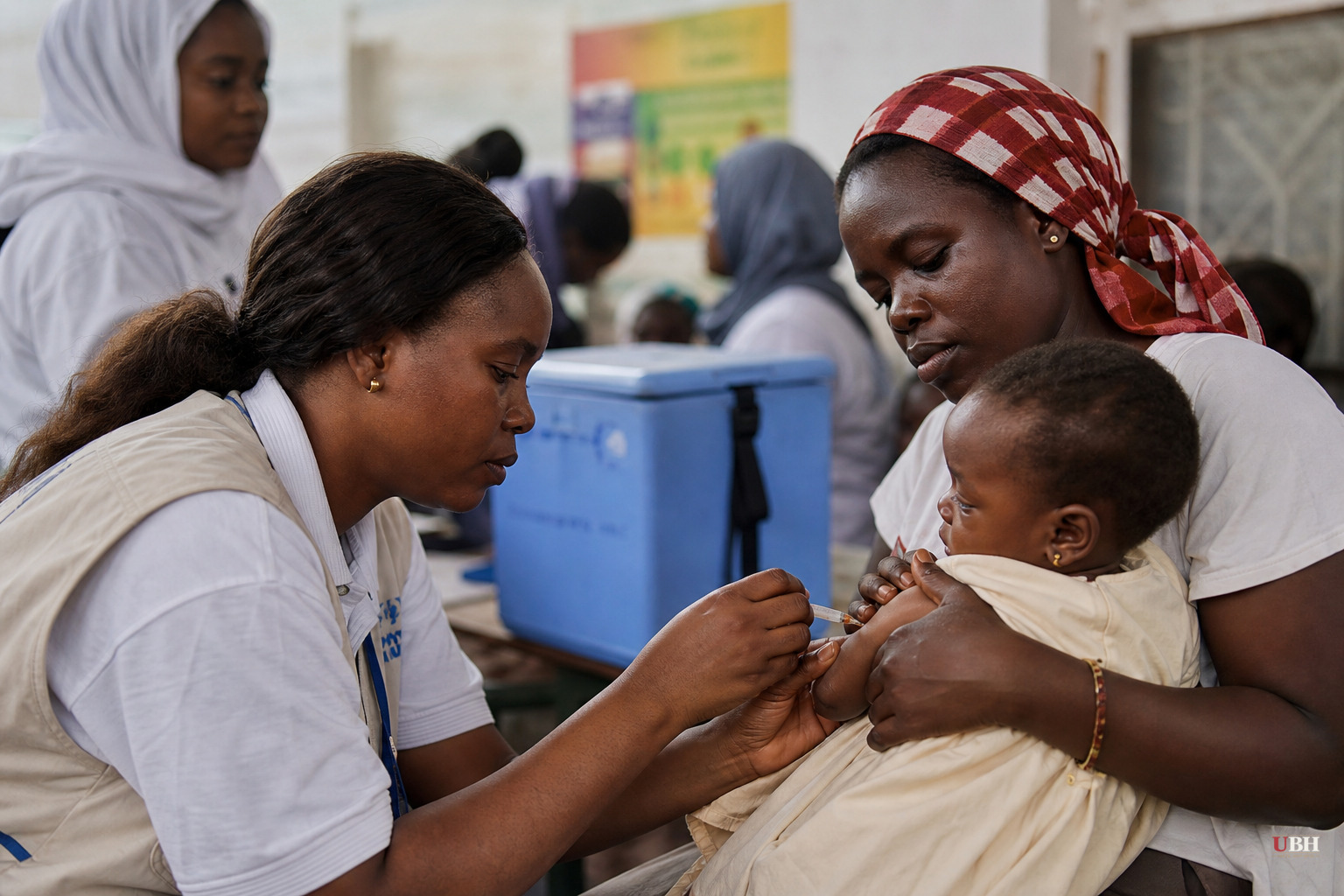
The U.S. is releasing $600 million to Gavi, the global vaccine alliance that helps get shots to kids in poor countries. The money had been stuck in limbo for months. Now it's moving, according to the Times of India, citing a joint statement from the State Department and the Department of Health and Human Services.
There's a catch. None of that $600 million will be routed through the World Health Organization, even though Gavi has historically worked with the WHO. The administration made that explicit in its statement.
President Trump directed HHS Secretary Robert F. Kennedy Jr. and Secretary of State Marco Rubio to negotiate reforms with Gavi before releasing long-term support, according to the Times of India. One of the reforms Gavi agreed to: working with its governing board and partner countries to gradually phase out vaccines containing mercury in favor of mercury-free alternatives.
Vaccine ingredient concerns, including thimerosal (a mercury-based preservative), have been a longstanding focus for Kennedy specifically. Whatever you think of his broader vaccine skepticism, getting an international body to commit to phasing out a specific additive is a concrete, verifiable outcome, not a vague promise.
Republican Senator Susan Collins had pushed the administration to resume the funding and welcomed the release, according to the Times of India. Collins isn't a Trump rubber stamp on much, so her involvement suggests bipartisan appetite existed to get this money moving again regardless of the WHO fight.
The WHO Fight Isn't New
This is round two of a fight Trump started in his first term. Back in 2020, he temporarily suspended U.S. funding to the WHO, accusing the agency of mishandling COVID-19 and amplifying what he called China's "disinformation" about the virus, according to the Times of India. At the time the U.S. was the WHO's largest funder, putting in more than $400 million in 2019, about 15% of the agency's total budget.
On his first day back in office, January 20, 2025, Trump announced the U.S. would withdraw from the WHO entirely and halted American contributions, the Times of India reported. Under the terms governing U.S. participation in the organization, that withdrawal required a one-year notice period, so the formal exit took effect roughly a year later, in early 2026. This Gavi decision keeps that wall up. The U.S. will fund vaccines. It will not fund the WHO, even indirectly through a partner organization.
The Washington Post's Health Brief, by Megan R. Wilson and Rebecca Adams, frames the Gavi release as happening "after months of uncertainty" and links it to a broader week of health-policy news, including a Republican-led hearing revisiting Anthony Fauci's COVID-era decisions and his newly released personal notes, plus a federal judge ordering regulators to revisit mifepristone restrictions. The Post's framing treats Gavi as one thread in a larger story about the administration relitigating pandemic-era institutions and decisions. The Post brief doesn't dig into the mercury-free vaccine concession Gavi made, which the Times of India surfaces as a specific negotiated term.
Separately, a report from Mwakilishi.com describes a wider pattern: the U.S. resuming contributions not just to Gavi but also to UNICEF and the World Food Programme, though at levels lower than in previous years, after a stretch of reduced funding that raised concerns about vaccination rates and food security in developing regions. That report quotes an unnamed State Department official saying the funding is "a crucial step in ensuring that vital health services can continue reaching those in need." Specific dollar figures for the UNICEF and WFP restorations weren't disclosed in that reporting, unlike the Gavi number, which is confirmed at $600 million.
What's Actually Unresolved
Whether the Gavi money fully replaces what was cut, and over what timeline, isn't nailed down in the available reporting. Nor is there a public accounting yet of how much less UNICEF and WFP are getting compared to prior years.
The bigger open question is what Trump and Rubio actually want from the WHO before any U.S. money flows back to it directly. No timeline for renewed WHO negotiations has been announced. Given that the U.S. announced its intent to withdraw from the WHO on January 20, 2025, with the formal exit completing about a year later, rejoining and refunding the organization would require a separate, larger policy reversal than a single vaccine-alliance check.
For now, the practical effect is narrow but real. Gavi gets its $600 million, kids in developing countries keep getting vaccines the U.S. is paying for, and the WHO stays financially frozen out by Washington, exactly where Trump has kept it since his first term began sparring with the agency over COVID.
Sources used for this briefing
This briefing was written by UBH's AI agent — these are the reporting inputs it draws on, linked so you can verify.


