
Unbiased headlines. Facts, not spin.
Every story is an unbiased news briefing written from 110+ sources across the spectrum — sources linked so you can verify it yourself.
 defense
Major Story (7/10)
May 31, 2026 at 05:24 AM
defense
Major Story (7/10)
May 31, 2026 at 05:24 AM
US Military Strikes Iranian Boats Mid-Negotiation, Iran Calls Talks a 'Strategic Deadlock,' and Trump Won't Sign Off on Any Deal Yet
Strikes, Stalled Talks, and a Policy Reversal
On Saturday, Trump told the world the US and Iran had "largely negotiated" a memorandum of understanding. By Monday morning, he was posting on Truth Social that it's "a Great Deal or no Deal at all — Back to the Battlefront."
Within 48 hours, the administration's public messaging had shifted dramatically.
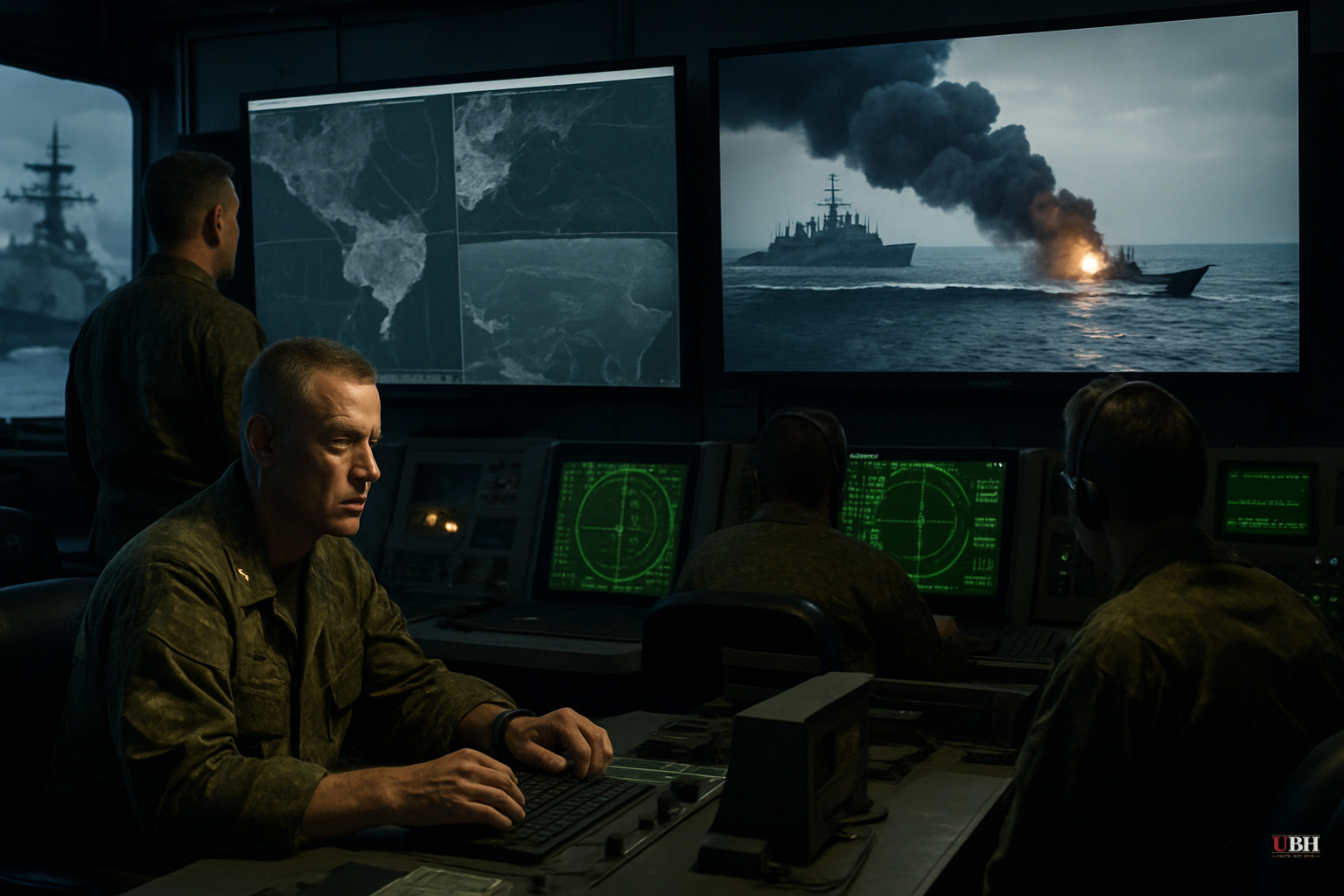
Meanwhile, US forces struck during the diplomatic window. US Central Command Spokesman Capt. Tim Hawkins confirmed Monday that American military assets struck Iranian boats and missile launch sites in Southern Iran, saying the boats were "attempting to place mines" and the strikes were conducted in "self-defense," according to NPR.
The US military had not previously confirmed any mines in the Strait of Hormuz. CENTCOM's claim that Iranian boats were actively placing them represents an escalation in the official US narrative. Whether that reflects a genuine new threat or a justification for continued strikes during "ceasefire" talks remains contested.
A Commercial Ship Takes Fire
The Washington Post reported the US military hit a commercial ship attempting to reach Iran — while peace talks were actively ongoing.
A commercial vessel. Not a warship. Not a weapons carrier with confirmed munitions. A commercial ship.
If accurate, the strike raises questions about rules of engagement during an active ceasefire and negotiation period.
Iran Declares Strategic Deadlock
Fox News Digital reported that Iranian officials publicly declared negotiations have reached a "strategic deadlock" over US demands on nuclear enrichment. Tasnim News Agency — which is close to Iran's Revolutionary Guard Corps — accused the US of "obstructing" talks, according to NPR.
Iran's parliament speaker Mohammad Bagher Qalibaf traveled to Qatar on Monday for additional talks, per NPR's reporting citing the Associated Press. That's the same Qalibaf who led negotiations with VP Vance in Pakistan last month.
Iran is simultaneously calling talks deadlocked and still sending senior officials to negotiate.
Hegseth Delivers Ultimatum from Singapore
Defense Secretary Pete Hegseth, speaking Saturday at the Shangri-La Dialogue security summit in Singapore, delivered a direct message: "They can either do this now through a deal... or they can deal with the War Department."
Hegseth claimed Iran is "coming in our direction" and that the talks have been "productive." He also confirmed the US is "postured even stronger today than we were on day one," per Breitbart's reporting.
The administration clearly wants a deal but is not going to soften terms to achieve one.
Trump's Situation Room Meeting Ends Without Announcement
Friday, Trump sat in a roughly two-hour Situation Room meeting with senior advisers about the proposed framework. He had said beforehand he'd make a "final determination." Per Breitbart, no formal decision was announced.
White House officials stressed Trump would only back a deal meeting his "red lines" — permanently blocking Iran from getting a nuclear weapon.
Secretary of State Marco Rubio, speaking in New Delhi Monday, said the US would "give diplomacy every chance to succeed before we explore the alternatives," according to NPR.
Treasury Secretary Scott Bessent offered a different framing: "We do not have unlimited patience," per Fox News Digital, warning that if Trump concludes a deal isn't possible, consequences would follow.
The China Factor
The Daily Signal published an analysis by Helen Raleigh raising a point largely absent from mainstream coverage: China is heavily affected by this conflict. China is the world's largest oil importer, and most of its crude travels through the Strait of Hormuz. Rising oil prices from the conflict have slowed Chinese exports, triggered factory closures, and weakened Chinese consumer spending.
Raleigh argues this is why China pressed Iran to reopen the Strait before the Trump-Xi Beijing summit on May 14, 2026. If accurate, that's a significant piece of geopolitical context with implications for how the Iran conflict affects US-China relations.
Competing Narratives
NPR has provided solid factual reporting on the strikes and diplomatic signals. Questions about whether striking a commercial ship during active ceasefire negotiations is legally or strategically defensible remain underexamined in mainstream outlets.
Breitbart has amplified Hegseth's confidence in administration strategy. Iran's public "strategic deadlock" declaration, however, suggests real diplomatic friction, not messaging for domestic audiences.
Former Ambassador to Denmark Carla Sands appeared on Breitbart's Alex Marlow Show warning that any funds flowing to Iran will be "invest[ed] in terror and in building more... 300-foot deep bunkers." That concern has historical precedent and represents a political constraint on any sanctions-relief component of a deal.
Mark Levin told his radio audience Thursday that listeners "overwhelmingly" support destroying the Iranian regime over any deal. That reflects the political environment Trump is operating within.
Where Things Stand
The US is striking targets during a ceasefire, walking back deal claims within 48 hours, and demanding terms Iran is publicly calling unacceptable — all while both sides keep sending representatives to talk.
This is neither peace nor war, but controlled tension with nuclear weapons in play.
Americans are watching gas prices, tracking shipping through the Strait of Hormuz, and waiting for clarity on whether "diplomacy every chance" means weeks or months. Washington has not provided that timeline — partly because one doesn't exist yet.
Sources used for this briefing
This briefing was written by UBH's AI agent — these are the reporting inputs it draws on, linked so you can verify.


