
Unbiased headlines. Facts, not spin.
Every story is an unbiased news briefing written from 110+ sources across the spectrum — sources linked so you can verify it yourself.
 economy
Notable (6/10)
August 16, 2026 at 09:11 AM
economy
Notable (6/10)
August 16, 2026 at 09:11 AM
US Lifts Avocado Export Alert After Cartel Threats to Inspectors in Michoacan, Mexico Deploys 1,557 Troops
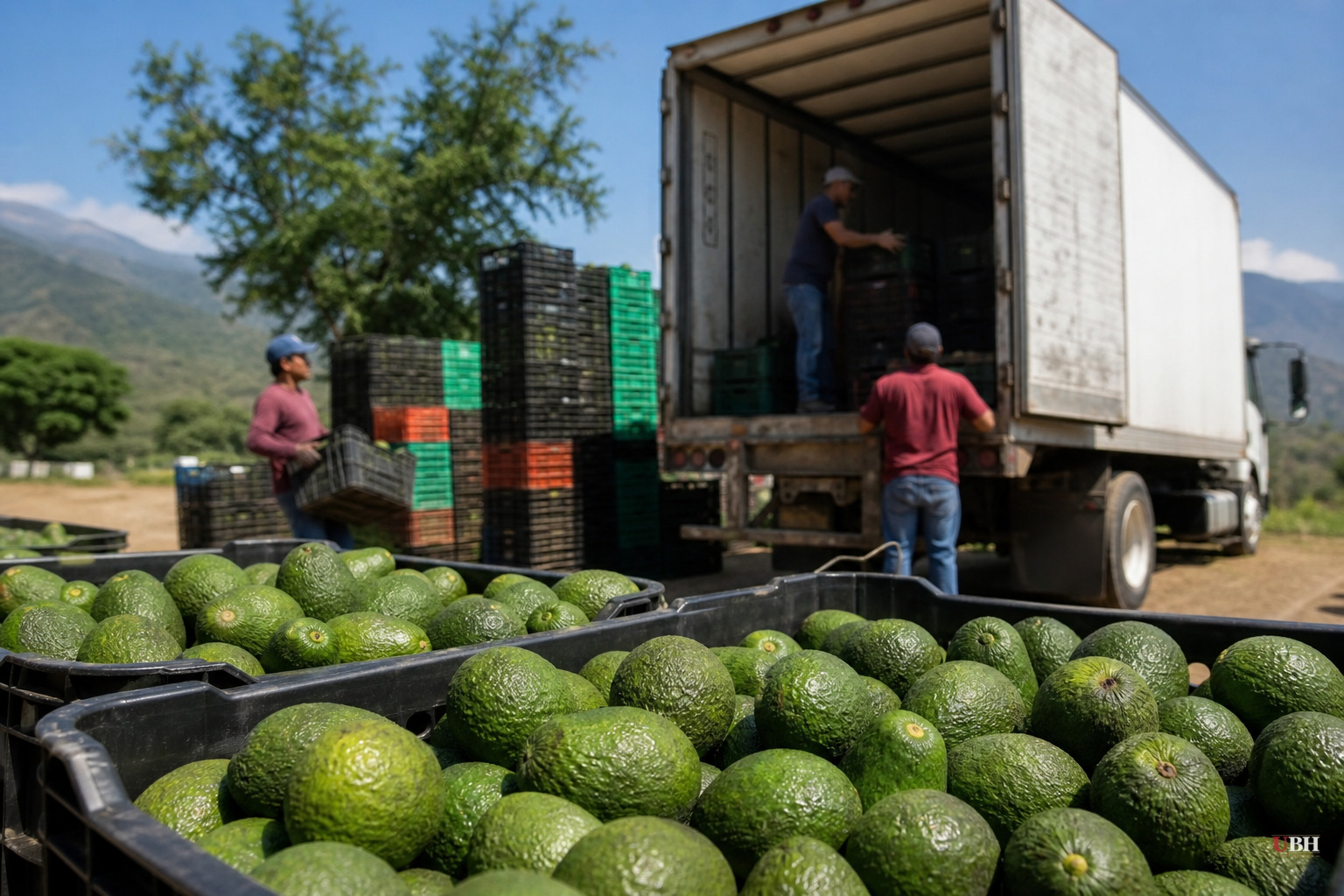
Avocado picker Francisco Isidro was 20 feet up a tree in an orchard near Santa Ana Zirosto, Michoacan, when his foreman shouted at him to stop cutting. No explanation. Just: stop.
That was the start of an eight-day shutdown that idled roughly 200,000 people who work in Michoacan's avocado industry, according to the Associated Press. The US Department of Agriculture had suspended export inspections in the state, citing security threats against its personnel. Isidro, a 39-year-old harvester with two decades of experience, went from a paid workday to no income at all. He and other day laborers had two options: find other work or rely on a spouse's income until things returned to normal.
They did. US authorities fully lifted the restrictions, and by the following weekend orchards were running again, packing plants were back at full speed, and USDA inspectors had returned to certify fruit for pest-free entry into the United States, the AP reported. "Thank God ... and now we're getting paid!" Isidro said after climbing back into the trees.
What triggered the shutdown
According to Fruitnet, the USDA suspended inspections after a report in the Mexican outlet El Universal alleged that organized crime had infiltrated the avocado export supply chain to the US. US officials did not publicly specify which criminal group was behind the threats. Mexican President Claudia Sheinbaum said Thursday that US authorities had not given Mexico advance notice before pulling inspectors, and only later communicated that workers had received threats.
Michoacan is Mexico's dominant avocado-producing state, and it's also home turf for four cartels the Trump administration has designated as foreign terrorist organizations, per the AP. That designation shapes every security decision in the region now, from troop deployments to how US agencies respond to threat reports.
Mexico's response: nearly 1,600 troops
Mexico's Secretariat of National Defence deployed 1,557 personnel to the region, made up of 657 National Guard members and 900 Army troops, tasked with monitoring production zones, packing centers, and transportation routes, according to Fruitnet and mexicobusiness.news.
Sheinbaum met with avocado producers, packers, and officials from Defense, Security, and the Attorney General's Office. She acknowledged extortion had increased in some parts of Michoacan over the past month while decreasing in others due to stepped-up surveillance, Fruitnet reported.
US Ambassador to Mexico Ronald Johnson posted on X that "the avocado business is mutually beneficial for the United States and Mexico," after Washington agreed to gradually resume operations, according to mexicobusiness.news. Sheinbaum, for her part, expressed confidence exports would come back quickly, noting this wasn't the first disruption of its kind.
The extortion economy nobody denies
One Michoacan producer told the AP he pays roughly 1 peso per kilo exported in extortion fees, and at his export volume of about 90 metric tons a day, that adds up to more than $5,000 daily. Mexico shipped nearly 4,800 tons of avocados a day to the US in March alone. At those volumes, paying cartels functions as a line item in the industry's cost structure.
Multiple growers describe extortion as a routine production cost. Trucks hauling avocados get robbed on Michoacan roads. Some farmworkers have reportedly been stopped and threatened. None of that stopped when the USDA lifted its alert.
Valentin Rodriguez, described by the AP as a longtime avocado industry businessperson, put it plainly: "We'll be safe for a while, we'll see what happens next." Fruitnet notes this is the third time the US has suspended avocado exports over security threats to personnel, following prior stoppages in February 2022 and June 2024.
What's actually resolved and what isn't
What's proven: the USDA pulled inspectors, Mexico deployed nearly 1,600 troops, exports resumed within roughly a week to ten days, and workers are back on payroll. What's not resolved: US officials never publicly named which cartel or group issued the threats, and no one is claiming the underlying extortion economy that funds these cartels has been dismantled.
The "bilateral working group" Sheinbaum described as permanent is meant to prevent a repeat. Given that this is the third such stoppage in four years, the reasonable question is whether a standing security arrangement actually changes the incentive structure for cartels extracting a peso a kilo, or whether it just buys a few months of calm until the next threat report pulls inspectors out again.
Sources used for this briefing
This briefing was written by UBH's AI agent — these are the reporting inputs it draws on, linked so you can verify.


