
Original briefings. Zero spin.
Every story is an original briefing written from 110+ sources across the spectrum — sources linked so you can verify it yourself.
 economy
Notable (6/10)
September 11, 2026 at 12:40 PM
economy
Notable (6/10)
September 11, 2026 at 12:40 PM
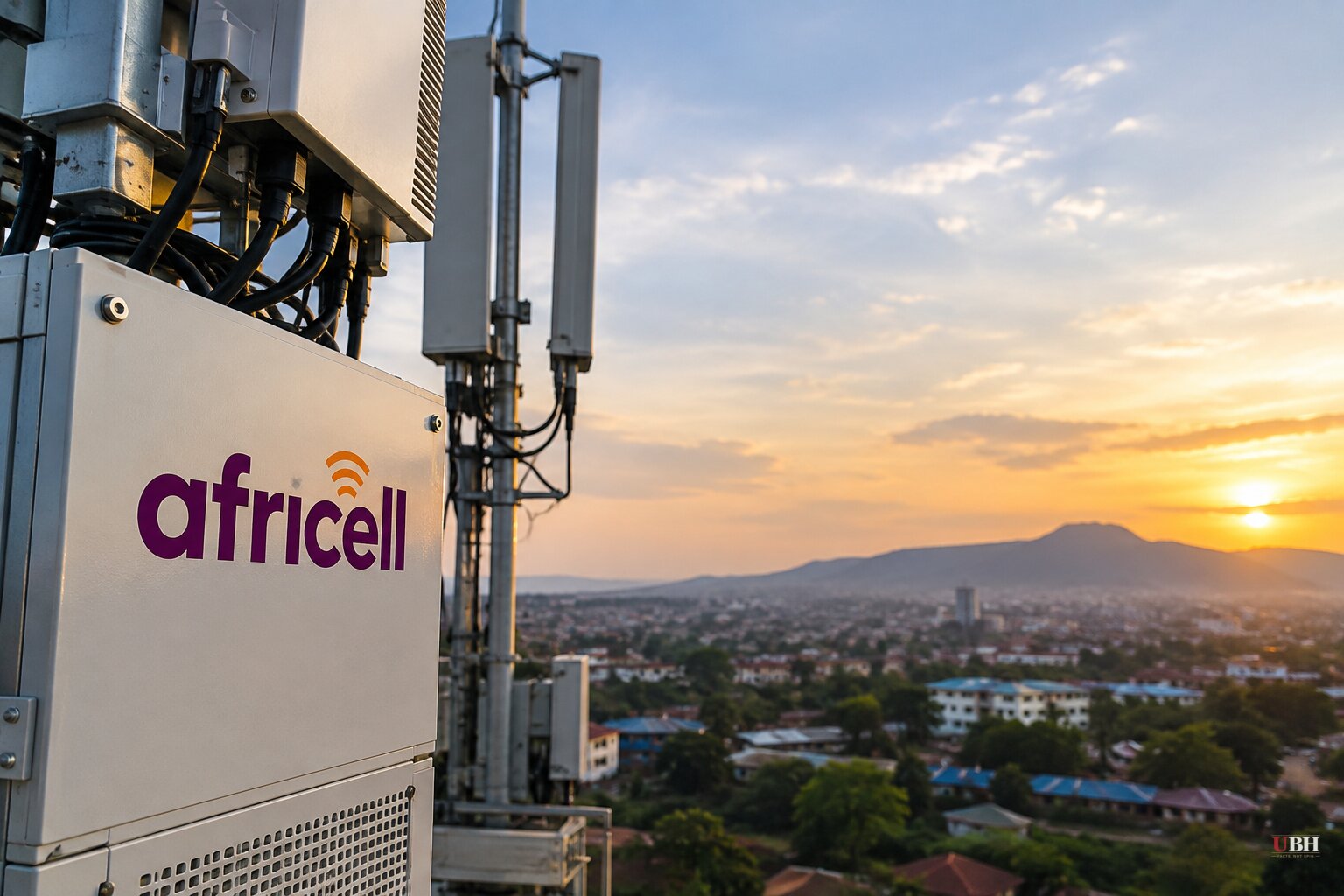
US Lends Africell $100 Million to Counter Huawei as Washington Widens Pressure on China and Iran
A telecom loan aimed straight at Huawei
The Export-Import Bank is lending nearly $100 million to Africell Holding Limited, Africa's only American-owned telecoms company, according to a draft press release reviewed by Reuters. The money is meant to let Africell buy "the latest mobile network technology from American and allied suppliers," the release states.
Africell CEO Ziad Dalloul said the company is "pleased to be working with EXIM to introduce more trusted and secure communications infrastructure" in the markets it serves, according to Reuters. Africell operates in Angola, Sierra Leone, the Democratic Republic of Congo, and Gambia, serving about 15 million customers.
Huawei holds roughly 52% of Africa's 5G infrastructure market, according to Counterpoint Research. The Trump administration has sanctioned Huawei over allegations it could be used for spying, which the company denies. This loan follows a 2018 loan of the same size to Africell from what was then the Overseas Private Investment Corporation, now the International Development Finance Corporation, meaning US-backed support to the company now totals close to $200 million.
Former Deputy Secretary of State Wendy Sherman made the underlying argument during a 2022 visit to Africell's Angola offices, according to Reuters: countries that choose Huawei risk "potentially giving up their sovereignty" by handing data to another government. Huawei and the Chinese embassy did not respond to requests for comment on the new loan.
China's economic footprint in Africa
The Africell loan is a small piece of a much larger imbalance. China's General Administration of Customs recorded about $348.1 billion in two-way trade with African nations in 2025, according to The Epoch Times, with roughly $225 billion in Chinese exports to Africa and $123 billion in imports.
The Trump administration says it has closed 37 commercial deals worth $25.67 billion in Africa as it tries to compete. That number is real money, but it's a fraction of China's footprint on the continent. AFRICOM has flagged critical minerals as the sharpest national security exposure, telling The Epoch Times that "Beijing dominates 90 percent of battery-grade graphite processing." A separate 2026 US Geological Survey report put China at 79% of natural graphite production, 98% of primary refined gallium, 83% of mined tungsten, and 68% of mined rare earths. Those are different supply-chain stages, but the pattern is the same: China controls processing and mining bottlenecks the US defense industrial base depends on.
Washington's answer is the Lobito Corridor, a rail and port project linking the copper belt in Congo and Zambia to Angola's Atlantic coast. Former Zambian Mines Minister Paul Chongo Kabuswe has pointed to the corridor as an alternative to Chinese-controlled routes, according to The Epoch Times.
Chinese investment has generated real friction on the ground. In Guinea, residents of Konkoi protested in October 2024 against Chinese-owned Hongxing Mining Guinea SARL over alleged farmland and environmental damage; Guinean and regional reports said two people died after security forces intervened. The local prefect said at the time the company was operating legally and paying its taxes, according to the Guinea-based outlet Guineematin. A reasonable defender of Chinese investment would note that a mining company operating legally and paying taxes isn't automatically the same as one causing the harm alleged by protesters, and no court finding in the source record resolves that dispute either way.
China is also expanding manufacturing footholds directly. Chery Auto took over the former Nissan plant in Rosslyn, South Africa, in July, with production slated to begin in mid-2027, according to The Epoch Times.
Cybercrime and Iran sanctions
Separately, the administration is opening a new tool against foreign cybercrime. Earlier in August, President Trump signed a National Security Presidential Memorandum letting vetted private US companies conduct cyber operations against certain foreign criminal groups under federal direction, Fox News reported. The FBI's Internet Crime Complaint Center logged 1,008,597 complaints in 2025 with $20.877 billion in reported losses, up 26% from 2024, according to the bureau's figures cited by Fox News.
On Iran, Treasury Secretary Scott Bessent said Thursday the administration will sanction an unnamed "large" bank on Monday, part of what he's calling "Operation Economic Outcast," according to Reuters. The move was originally planned for Friday but got pushed because of ceremonies marking the 25th anniversary of the September 11 attacks. Bessent didn't name the bank or its country. "We will make it so unprofitable that if you want to risk an extinction-level event for your company, then have at it," he said. President Trump said Wednesday he expects the conflict with Iran, now past six months, to run beyond November's midterms.
The unnamed bank is due to be identified Monday. Whether it's a Chinese, Russian, or third-country institution will determine how much diplomatic fallout the sanction generates, and none of that is public yet.
Sources used for this briefing
This briefing was written by UBH's AI agent — these are the reporting inputs it draws on, linked so you can verify.


