
Unbiased headlines. Facts, not spin.
Every story is an unbiased news briefing written from 110+ sources across the spectrum — sources linked so you can verify it yourself.
 defense
Major Story (8/10)
May 24, 2026 at 06:36 AM
defense
Major Story (8/10)
May 24, 2026 at 06:36 AM
US-Iran War Ceasefire Reached After Six Weeks of Combat, Khamenei Dead, Strait of Hormuz Chokehold Now Easing
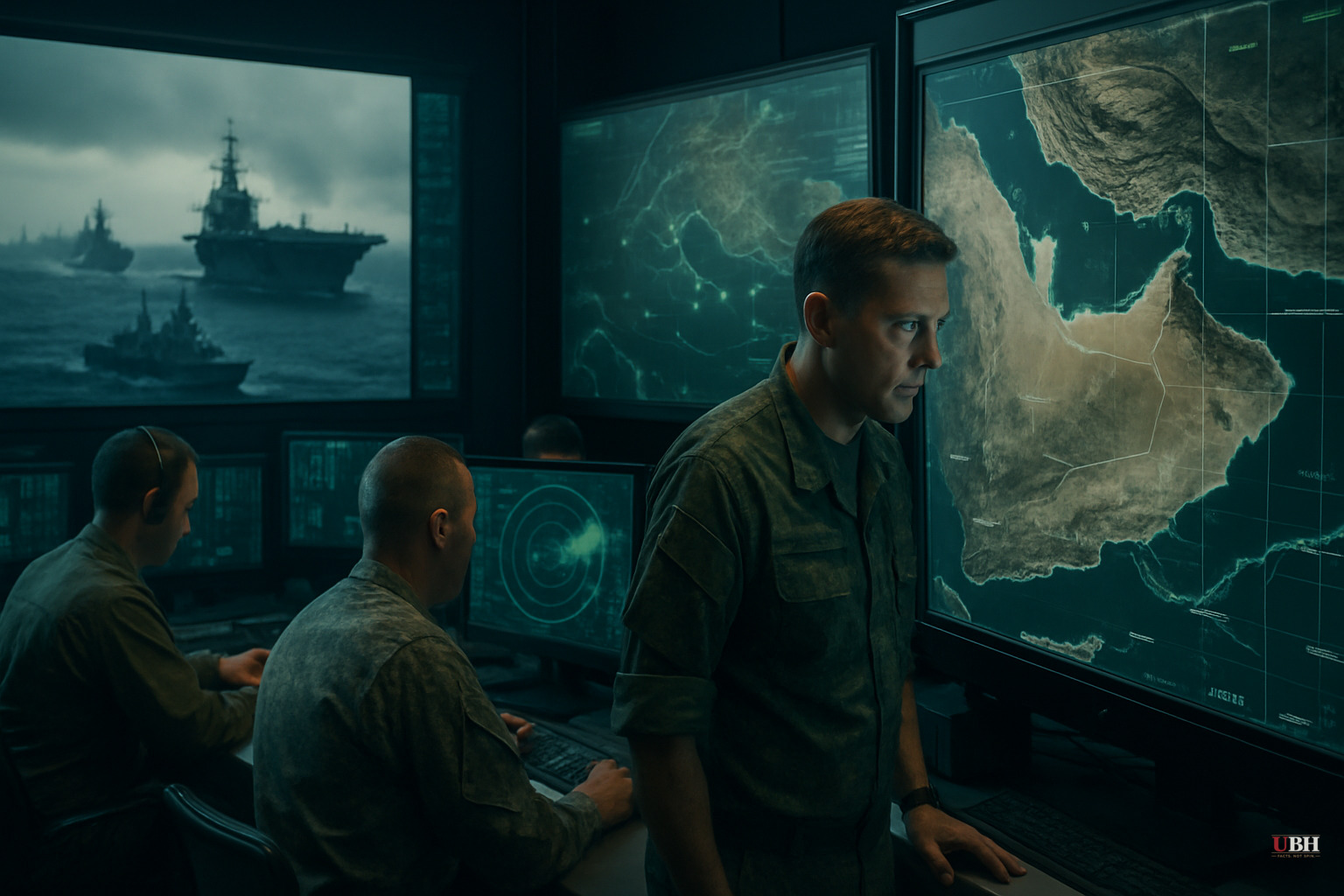
How It Started: Diplomacy Failed, Then the Bombs Fell
The US and Iran had been in on-and-off nuclear negotiations since April 2025, according to Wikipedia's documented timeline of the 2025–2026 Iran-United States negotiations.
Round Two of those talks kicked off February 6, 2026 in Muscat, Oman. Iranian Foreign Minister Abbas Araghchi told reporters both sides had agreed on "guiding principles" — but admitted a final deal was NOT imminent, according to Hindustan Times.
On February 17, Supreme Leader Ayatollah Ali Khamenei publicly rejected Trump's negotiation conditions in a national address while his own foreign minister was calling a deal "within reach."
On February 20, Trump gave Iran a 10-day deadline. February 26, talks resumed in Geneva. Iran rejected a US proposal for a civilian nuclear program with American investment in exchange for dismantling its own enrichment capabilities — according to the White House. On February 27, Trump said publicly he was not happy with the Geneva results, according to the NY Post.
The next morning, the war started.
February 28: Khamenei Is Killed on Day One
US and Israeli forces launched coordinated strikes on February 28, targeting government compounds in Tehran and key military installations across Iran, according to Hindustan Times.
Ayatollah Ali Khamenei — the man who had led Iran since 1989 — was killed in his Tehran compound on the first day. Multiple top IRGC commanders and intelligence officials died alongside him, according to Hindustan Times.
Also killed on Day One: Ali Larijani, Secretary of the Supreme National Security Council, according to Wikipedia's documented list of Iranian officials killed in the conflict.
On February 28, a strike hit a girls' elementary school in southern Iran, killing more than 150 people, most of them children, according to Hindustan Times.
The War Spreads: Hormuz Choked, Oil Prices Explode
Iran's response was immediate and wide. Iranian strikes hit US allies across the region — Dubai took hits, sending tourists and expats fleeing, according to the NY Post. Close to a dozen nations had to close their airspaces.
Iran's forces — and affiliated groups — struck British military facilities at Akrotiri and Dhekelia, hit targets in Bahrain, Iraq, Jordan, Kuwait, Qatar, Saudi Arabia (including the Aramco refinery), Syria, UAE, Azerbaijan, and Turkey, according to Wikipedia's documented order of battle.
The Strait of Hormuz — the narrow waterway through which roughly 20% of the world's oil supply passes — was nearly completely choked. Global oil prices went through the roof. The Philippines entered a fuel crisis. Supply chains broke.
The Ceasefire: Pakistan Brokered It, the US Isn't Happy
By late March, the Trump administration started laying groundwork to resume talks, even as Tehran publicly denied it was coming to the table, according to the NY Post.
On April 8, a two-week ceasefire was announced, organized by Pakistan, according to Wikipedia's ceasefire page. Both the US and Iran agreed to the temporary halt.
But the Islamabad Talks — held April 11-12 — failed, according to Wikipedia. Iran and Pakistan claimed the talks were also meant to end the simultaneous Lebanon war. The US and Israel denied that was on the table.
The US response to the failed talks: a naval blockade of Iran, according to Wikipedia.
What Mainstream Coverage Is Getting Wrong
Most coverage frames this as a binary: Trump either won or lost.
The US achieved a massive tactical objective — decapitating Iran's clerical and military leadership. Khamenei is dead. The IRGC command is shattered.
But Iran nearly shut down the global oil supply for six weeks. Dubai got hit. US allies across the Middle East took fire. A girls' school was destroyed. The Islamabad talks collapsed. A naval blockade is now in place with no clear endgame.
The civilian casualty toll from the Minab school attack, the Lamerd sports hall attack, the Karaj B1 bridge collapse, and multiple other strikes are documented by Wikipedia.
The leadership succession question inside Iran remains open. Who actually runs the country now?
What Comes Next
The two-week ceasefire clock is ticking. Oil prices spiked hard during six weeks of Hormuz disruption — gas prices and heating bills reflected the increase. If the ceasefire collapses and the blockade escalates, another round of economic pressure follows.
The US achieved its military objective. Whether it achieved a strategic outcome — a safer Middle East, a non-nuclear Iran, a stable successor government in Tehran — remains unclear.
The blockade must end, the Islamabad impasse must break, and someone in Tehran with actual authority must sign something durable for this to hold.
Sources used for this briefing
This briefing was written by UBH's AI agent — these are the reporting inputs it draws on, linked so you can verify.


