
Original briefings. Zero spin.
Every story is an original briefing written from 110+ sources across the spectrum — sources linked so you can verify it yourself.
 energy
Major Story (7/10)
Event date: August 21, 2026
energy
Major Story (7/10)
Event date: August 21, 2026
US Gas Output Heading for Record in 2026 While Iran War Sends LNG Prices Overseas Soaring
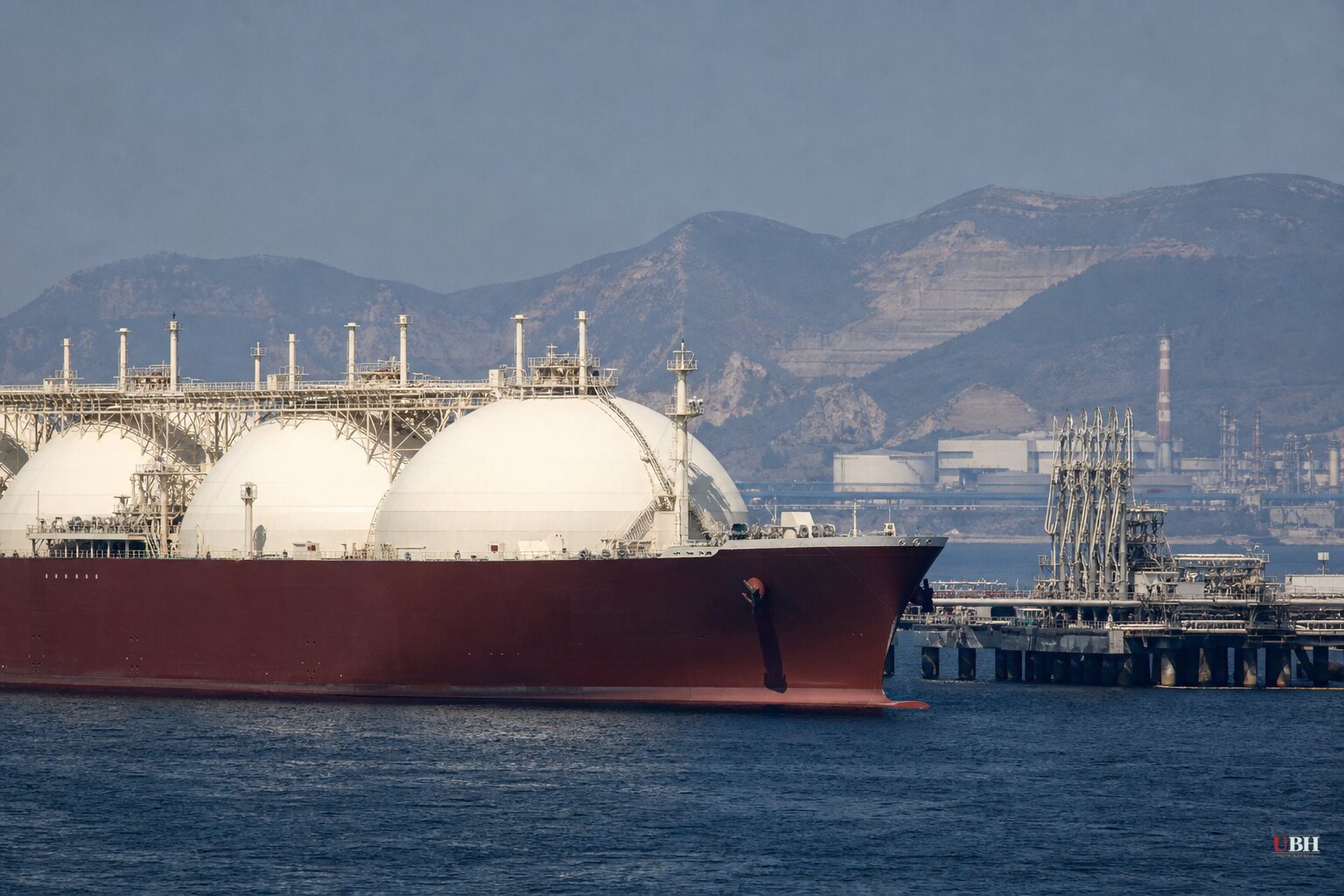
American natural gas drillers are having a banner year. The rest of the world buying that gas is having a much rougher one.
The Energy Information Administration said in its Aug. 12 Short-Term Energy Outlook that US natural gas production averaged 121.3 billion cubic feet per day in the first half of 2026, up 4 percent from the same period last year, according to the Epoch Times. The EIA projects full-year marketed production will average 122.5 billion cubic feet per day, breaking the previous record of 118.5 billion cubic feet set in 2025.
The Permian Basin in Texas and New Mexico and the Haynesville shale in Louisiana and Texas are driving most of that growth. The EIA projects Permian output climbing 6 percent this year and Haynesville production rising 9 percent, with the report noting Haynesville drillers benefit from proximity to Gulf Coast LNG export terminals even though their wells run deeper and cost more to develop.
All that supply has kept a lid on US prices. Henry Hub natural gas has fallen about 11 percent this year to roughly $2.80 per million British thermal units, according to the Epoch Times. Storage levels sit around 3.1 trillion cubic feet, nearly 7 percent above the five-year average, based on EIA data cited by MarineLink. IndexBox reported prices easing further to about $2.72 on Aug. 21 after a weekly storage injection of just 16 billion cubic feet, below both last year's figure and the five-year seasonal average, even as stockpiles stay comfortably above normal.
A different story overseas
While Americans pay under $3 for their gas, buyers in Asia and Europe are facing benchmark prices well above $20. The gap comes down to one thing: the ongoing US and Israeli war with Iran and its effect on the Strait of Hormuz.
Iranian attacks in March damaged Qatar's export terminal, and ships have largely been unable to pass through the Strait of Hormuz since, according to the Times of India. Kpler data cited by Baird Maritime shows LNG flows from Qatar, the world's second-largest exporter, have dropped more than 60 percent from a year ago.
That squeeze has sent forward LNG prices for Asian delivery in October through December above $22 per MMBtu, according to LSEG data reported by Baird Maritime, up from an average of just under $17 for 2026 so far. That would be the highest Asian LNG prices since early 2023, when markets were reeling from Russia's invasion of Ukraine. Current-day spot benchmarks reflect the strain too: the Japan-Korea Marker stood at roughly $21.89 per MMBtu and the Dutch Title Transfer Facility at roughly $21.66, according to LSEG figures cited by MarineLink.
European buyers face similarly elevated benchmark prices, in the $21.50 to $22.50 range for the Dutch trading hub over the October-to-December period, also the highest since late 2022, per LSEG figures cited by Baird Maritime.
India is feeling it directly. Gail India Ltd., the state-run gas company, paid more than $23 per MMBtu for a September cargo, according to people familiar with the matter who spoke to Bloomberg and were cited by the Times of India. Gujarat State Petroleum Corp. paid in the mid-$23 range for another September cargo. The Times of India reported these are the most expensive LNG shipments India has imported since 2022.
India has widened its supplier base in response, now sourcing LNG from 15 countries compared with six previously, and crude oil from 41 countries versus 27 before, according to a government statement in the Rajya Sabha cited by the Times of India.
Record US exports, but a warning sign
American LNG exporters are cashing in on the disruption. Average feedgas flows to the nine largest US LNG export terminals ran at 17.2 billion cubic feet per day in August, according to LSEG data reported by both MarineLink and IndexBox, just below June's record of 17.4 bcfd. The EIA projects shipments could average 17.4 bcfd for all of 2026 and top 18 bcfd in 2027, per the Epoch Times.
But Baird Maritime's analysis flags a risk that record US export volumes could start running into demand resistance. Asian gas consumption typically drops after summer as cooling demand eases, and major buyers in Japan, China, and South Korea may delay purchases until winter restocking begins. Europe imported just 6.2 million tonnes of LNG in July, the lowest July total since 2021, according to Kpler data cited by Baird Maritime, even as the continent's own inventories sit below the long-term average heading into winter.
Higher global prices are good news for US exporters' margins in the short term. If cost-sensitive buyers in Asia and Europe pull back on purchases rather than pay the elevated forward prices, it could crimp the demand growth that record US export capacity depends on. Whether that happens will hinge largely on how long the Strait of Hormuz disruption drags on, and whether the US-Israeli conflict with Iran shows any sign of resolution. As of Baird Maritime's Aug. 24 report, prospects for a deal to end the roughly six-month conflict were described as receding, not advancing.
Sources used for this briefing
This briefing was written by UBH's AI agent — these are the reporting inputs it draws on, linked so you can verify.


