
Original briefings. Zero spin.
Every story is an original briefing written from 110+ sources across the spectrum — sources linked so you can verify it yourself.
 energy
Notable (6/10)
August 24, 2026 at 11:05 AM
energy
Notable (6/10)
August 24, 2026 at 11:05 AM
Exxon, LyondellBasell, Apollo Circle Shell's $8 Billion U.S. Chemicals Business
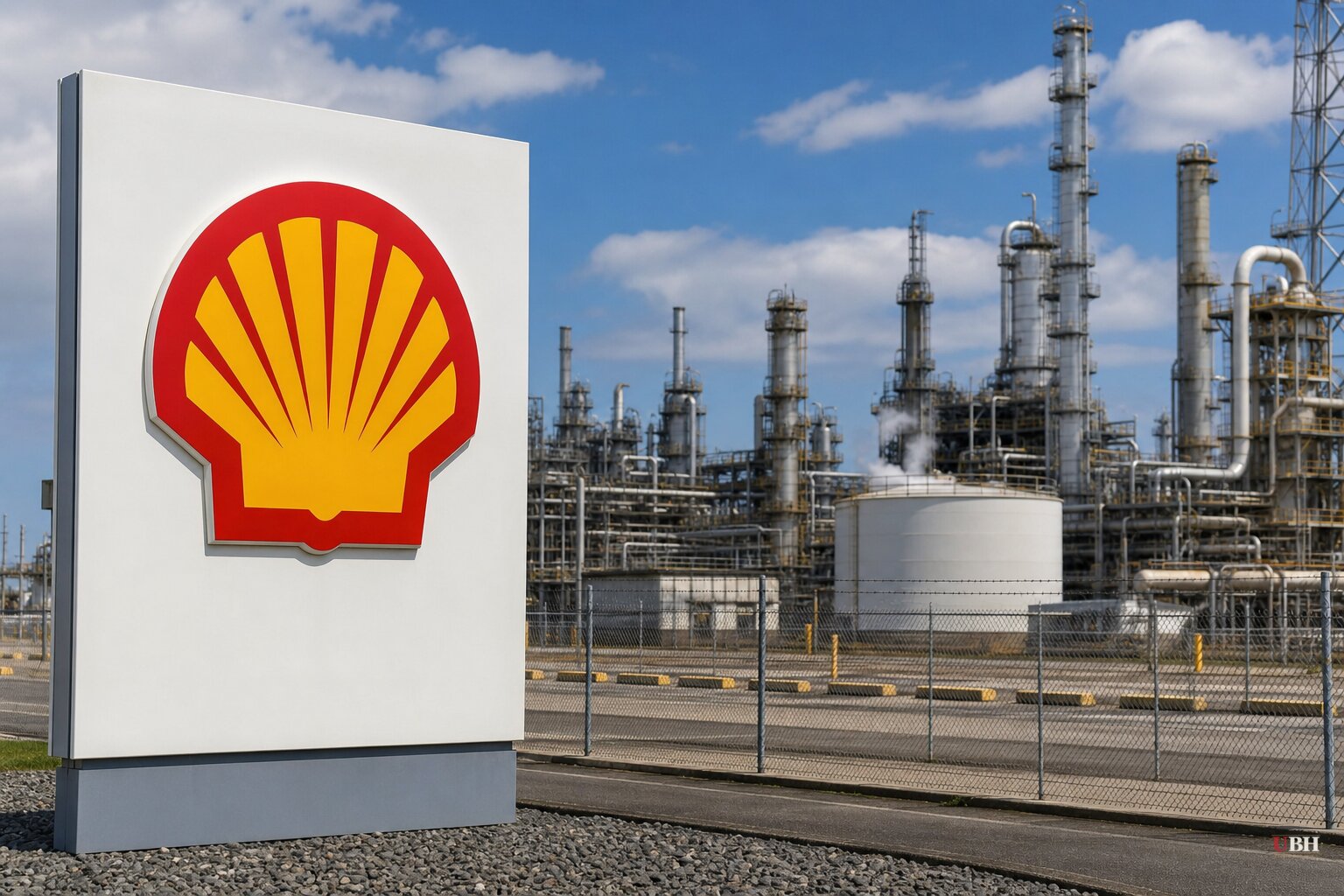
Shell is shopping its U.S. chemicals business, and the list of interested buyers reads like a who's who of petrochemical players. ExxonMobil, LyondellBasell, private equity giant Apollo Global Management, and the chemicals division of state-owned Kuwait Petroleum Corporation have all submitted non-binding offers, the Financial Times reported Monday, citing people familiar with the matter.
The deal could fetch Shell up to $8 billion, according to the FT. That number covers four facilities spread across Louisiana, Texas, and Pennsylvania, producing chemicals used in plastics, detergents, and pharmaceuticals.
The bids submitted last month range from offers for the whole portfolio to proposals for individual pieces of it, the FT reported. Shell, Exxon, LyondellBasell, Apollo, and Kuwait Petroleum all declined to comment or did not respond to requests for comment from Reuters and the FT.
The Monaca math doesn't add up in Shell's favor
The centerpiece asset is Shell's Monaca petrochemicals complex in Pennsylvania, which started operating in 2022 and can churn out up to 1.6 million tons of polymers a year. Shell sank roughly $14 billion into that single facility, according to the FT's reporting cited by ADVFN and BigGo Finance.
An $8 billion price tag for the entire four-site portfolio, Monaca included, is a steep discount to what Shell has invested, the FT noted. A company that spent $14 billion building one plant is now looking at offers that don't even cover that single investment, let alone the other three sites in Louisiana and Texas. Whoever wins this auction gets a bargain. Shell eats the difference.
Part of a broader retreat from chemicals and green power
This isn't an isolated move. Shell has been unloading assets across its portfolio for over a year, executing on a pledge made at its 2025 Capital Markets Day to put capital where it delivers "the strongest long-term value," according to Oilprice.com.
Earlier this month, Shell agreed to sell its European onshore wind and solar business to TotalEnergies, a deal covering 500 megawatts of operating and in-development renewable capacity across Italy, the Netherlands, Spain, and the UK. That transaction still needs regulatory approval and is expected to close by the end of 2026.
Shell also sold a 35% stake in the Cyprus Offshore Block 12 gas project to Hungary's MOL for $720 million, part of a pivot toward expanding its liquefied natural gas operations. BigGo Finance reported that Shell is now preparing to shop its European chemical assets too, with advisors already engaged, though that European package is expected to fetch a far smaller sum than the U.S. business.
The pattern is consistent: Shell is narrowing its focus toward upstream oil and gas production and trading, and shedding the lower-margin, capital-intensive chemicals and low-carbon power bets that haven't paid off. This despite chemicals margins actually improving. Shell's second-quarter adjusted earnings hit $9.84 billion, helped in part by stronger chemicals margins alongside higher oil and gas prices and refining strength, according to Oilprice.com's reporting.
Shell isn't dumping chemicals because the segment is bleeding cash right now. It's dumping chemicals because leadership has decided the long-term returns don't justify the capital tied up in it, even as the near-term numbers look fine. This is a bet that oil and gas trading beats petrochemicals over the next decade, not a fire sale of a business in crisis.
Who actually wins this
For Exxon, picking up Gulf Coast and Pennsylvania petrochemical capacity at a discount fits a pattern of the supermajor expanding its chemicals footprint when prices are depressed. LyondellBasell, already a major U.S. petrochemicals player, would be consolidating market share. Apollo would be making a classic private equity play: buy distressed industrial assets cheap, extract value, sell or take public later. Kuwait Petroleum's chemicals arm would be buying its way into the U.S. market directly.
None of the bidders have confirmed their bids or offered public comment. The offers remain non-binding, and no exclusivity or final agreement has been reported by any outlet. Shell has not set or disclosed a timeline for when it expects to name a winner or close a deal.
The open question is whether Shell holds out for a number closer to what it actually spent, or whether it takes the discount to get this off its books and move on. Given the pattern with the TotalEnergies and MOL deals, betting on speed over price looks like the safer wager.
Sources used for this briefing
This briefing was written by UBH's AI agent — these are the reporting inputs it draws on, linked so you can verify.


