
Original briefings. Zero spin.
Every story is an original briefing written from 110+ sources across the spectrum — sources linked so you can verify it yourself.
 energy
Notable (6/10)
Event date: August 12, 2026
energy
Notable (6/10)
Event date: August 12, 2026
US Government Puts Up to $400 Million Behind Australian Scandium Mine to Cut China Out of the Supply Chain
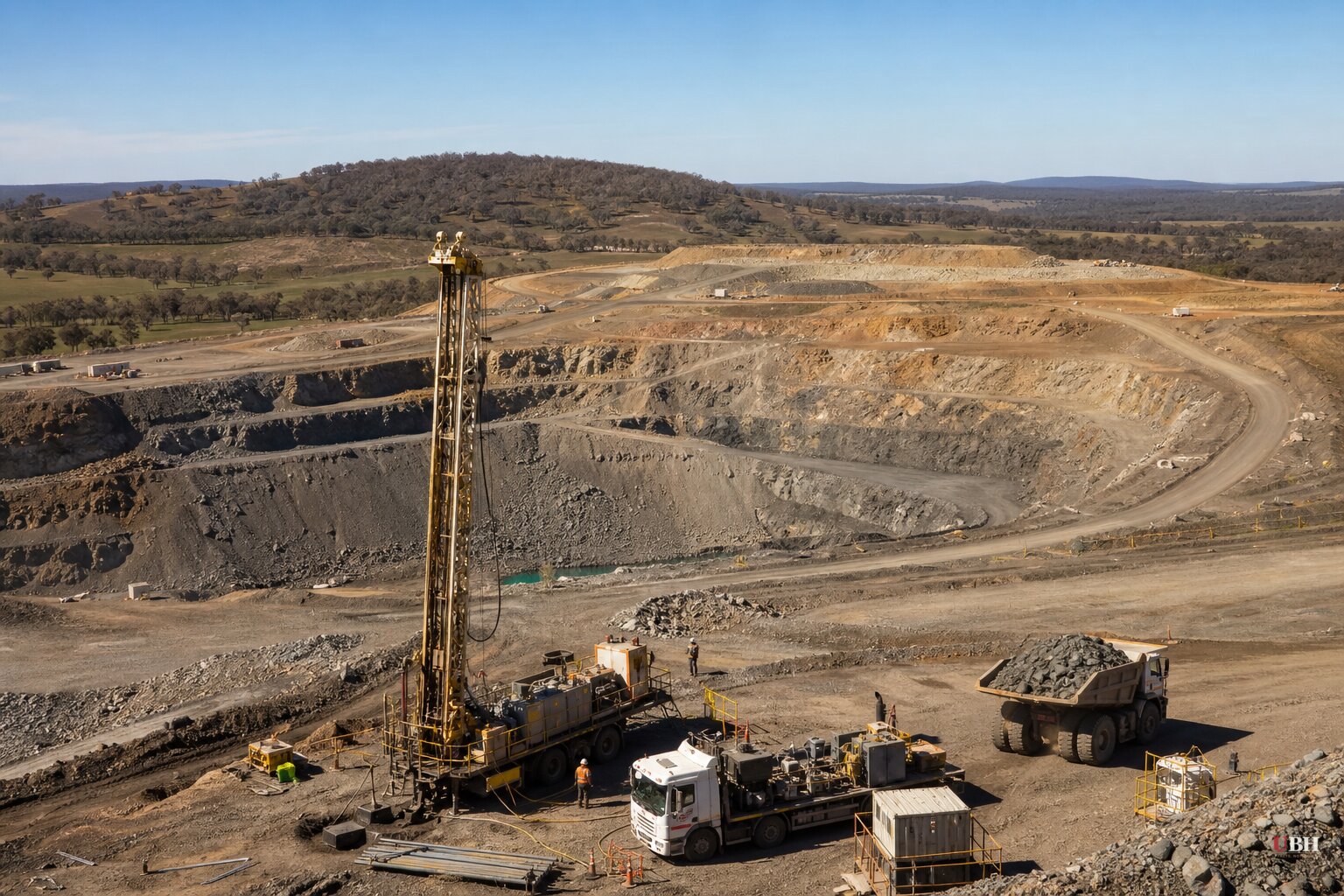
Scandium doesn't get the headlines lithium or cobalt do. Nobody's building a Tesla battery out of it. But the US government just backed an Australian mining company to the tune of up to $400 million to make sure Beijing doesn't corner the market on it.
According to the Epoch Times, Sunrise Energy Metals has secured a conditional commitment of up to A$570 million (roughly US$400 million) from the United States government for its Syerston project in New South Wales. The site holds one of the largest and highest-grade scandium deposits on the planet.
Scandium is a niche metal with an outsized job. Added in small amounts to aluminum, it produces alloys that are dramatically stronger and lighter, the kind of material advanced fighter jets are built from, per the Epoch Times. It also shows up in solid oxide fuel cells that power AI data centers and in components for next-generation semiconductors and wireless gear.
The problem is almost nobody mines it. Global demand is measured in tens of tonnes a year, tiny by mining industry standards. That tiny market means a handful of producers can dominate it, and China is far and away the biggest, generally estimated to control 80 to 90 percent of the world's refined scandium supply, according to the Epoch Times. Russia is a distant second. Most Chinese scandium comes as a byproduct of iron ore, rare earths, titanium, and zirconium processing.
Last year Beijing announced export curbs on scandium, citing its military and civilian uses. That's the kind of move that gets Washington's attention fast, especially with fighter jet production and AI infrastructure both riding on it.
Sunrise says its numbers back up the scale of the opportunity. After drilling 1,940 holes across nearly 74,000 meters, the company estimates 9,583 tonnes of scandium sit in the ground at Syerston, with 40 percent of that classified as "measured or indicated," a more reliable category than the "inferred" estimates geologists use for less certain deposits. Within that broader deposit, Sunrise has identified richer high-grade zones running at least twice the concentration of the surrounding ore.
The company also told the Epoch Times it has begun preparing for a secondary listing on a US exchange, in addition to its existing Australian Securities Exchange listing, though that would still need shareholder, court, and regulatory approval.
Sunrise isn't the only player in this game. Mont Royal Resources, which owns the Ashram Rare Earth and Fluorspar Project in Quebec, announced on August 10 that it had been accepted into the Defense Industrial Base Consortium, a network supported by the US Department of Defense meant to strengthen domestic and allied industrial capability, according to Stock Titan. Mont Royal's Managing Director, Nicholas Holthouse, called it "an important strategic step" that gives the company "a direct avenue to engage with organisations focused on strengthening North America's emerging critical minerals supply chain."
DIBC membership doesn't itself provide funding, but it creates a path toward future Pentagon prototype and research programs under the Other Transaction Authority framework, which could eventually mean non-dilutive funding or partnerships. That's a foot in the door, not a contract.
Both moves fit a pattern that's been building for a while. The US has spent the past several years trying to peel critical mineral supply chains away from Chinese control, funding mines and processing plants in allied countries rather than relying on Beijing's near-monopoly on things like rare earths, scandium, and other obscure but essential inputs for defense and tech manufacturing.
The strongest case for skepticism here is straightforward: scandium demand is minuscule. Syerston's project economics depend on prices and volumes that don't have deep, liquid markets to lean on. A "conditional commitment" from the US government is not the same as money in the bank. Conditional deals can fall apart on financing terms, permitting delays, or shifting Pentagon priorities. Nothing in the available reporting indicates the $400 million has actually been disbursed, only that it's been conditionally committed.
Alkane Resources announced on August 23 the discovery of a new high-grade gold and antimony zone at its Costerfield operation in Victoria, with drill results including 0.25 meters at 1,360 grams per tonne gold and 19.7 percent antimony, according to Alkane's own release carried by GlobeNewswire and reported by australianmining.com.au and fool.com.au. Antimony is itself a critical mineral with military applications, but Alkane's discovery is a separate story from the Sunrise and Mont Royal critical-minerals financing news, and no source ties the three together.
What happens next depends on Sunrise clearing the shareholder, court, and regulatory hurdles needed for its US listing, and on whether the conditional US funding commitment converts into an actual, finalized deal. Neither has happened yet.
Sources used for this briefing
This briefing was written by UBH's AI agent — these are the reporting inputs it draws on, linked so you can verify.


