
Unbiased headlines. Facts, not spin.
Unbiased Headlines is an independently owned news organization. We bring you the facts, not opinions, written fresh from 110+ named sources. Sources linked so you can verify it yourself.
 defense
Major Story (8/10)
US Forces Can Strike Iran Within 96 Hours of a Trump Order, Two Officials Tell CNN; No Decision Made
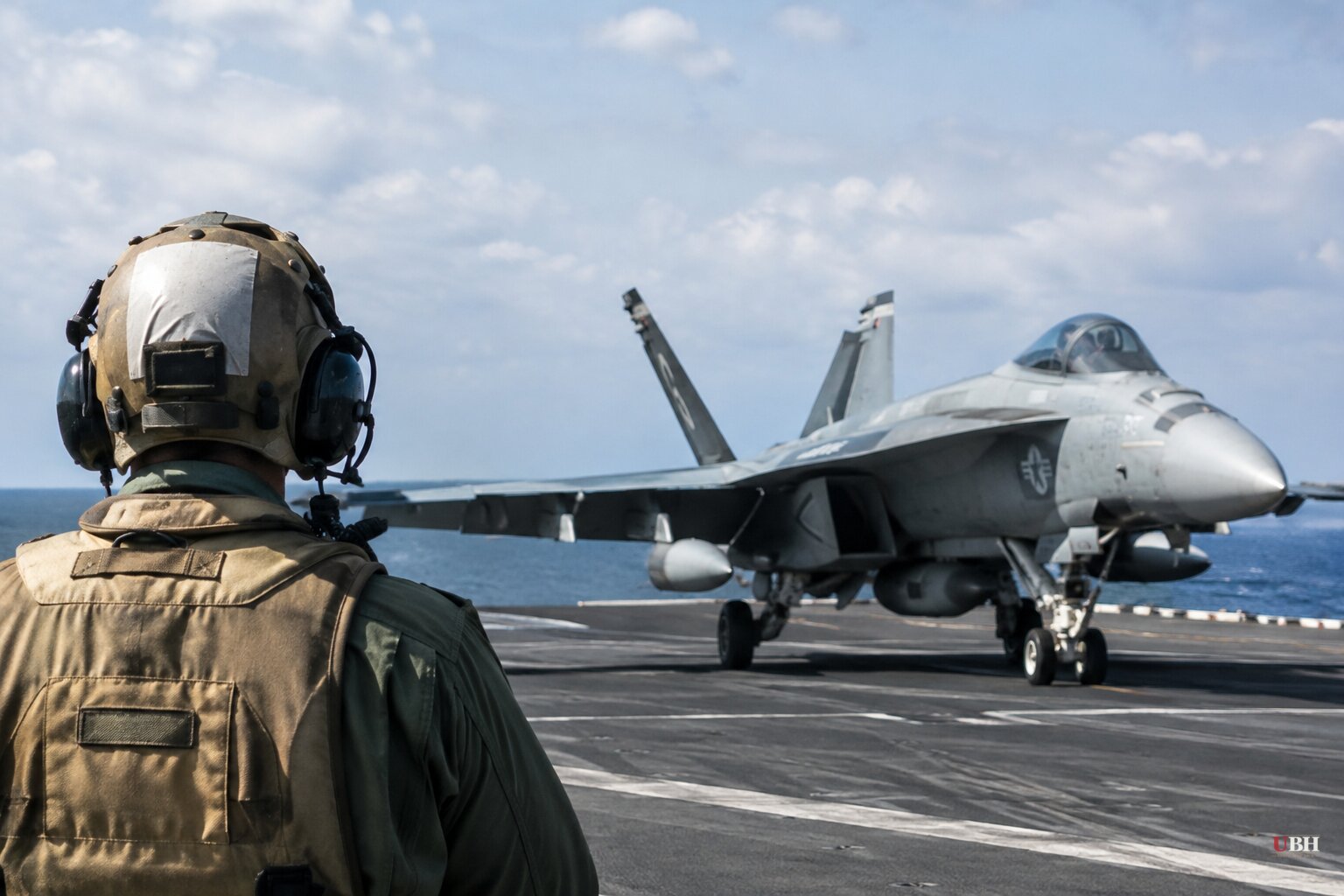
Since Trump wrote on Oct. 8 that "we will not be attacking Iran at any time prior to the Midterm Elections," the question inside the Pentagon has shifted from whether the military can follow through to how fast. According to two US officials who spoke to CNN, the answer is 96 hours.
Those officials said US forces in the region are prepared to launch new, potentially major operations within 96 hours of receiving an order from the president. They said sufficient forces are already deployed to carry them out.
What the plan would look like
The officials said any new campaign would go well beyond what they described as "mow the lawn" strikes. Those are the limited hits on radars, missile launchers and other Iranian assets that can be rebuilt quickly. They have been the pattern since Trump halted full combat operations earlier this year.
"It will be a big effort," one official told CNN.
US Central Command and the Pentagon have built a wide-ranging target list that covers Iranian energy infrastructure, military sites and nuclear facilities, the officials said.
There is a catch. The officials acknowledged that Iranian forces are now more familiar with US tactics, which makes it harder to destroy every intended target.
Has Trump decided?
No. The officials told CNN that Trump has not made up his mind on what to do after the midterms, though he appears to be leaning toward ordering major action. They also cautioned that he has leaned toward certain actions in the past, only to back off at the last moment.
Several current and former officials familiar with the planning told CNN it is a question of when, not if. They believe an order could come any time before the end of the year, most likely after the Nov. 3 election.
The White House declined to comment. A senior Pentagon official gave CNN a statement that frames the whole exercise as routine: "The Department is a planning organization, and its job is to develop and execute military options ordered by the President."
That is the strongest counterpoint to the alarm in the headlines. Having a plan on the shelf is what a military is supposed to do. It is not an order, and Trump's own public pledge covers only the period before the election.
Hormuz and the Israel factor
One US official described the situation around the Strait of Hormuz as "untenable" in the long term. That could push Trump toward military action absent a last-minute diplomatic breakthrough, according to the report. The closure of the strait has pushed up gas and diesel prices in the US.
Israel is pulling in the same direction. A source briefed on the matter told CNN that Israel has been preparing for possible strikes and lobbying Washington to join. US officials, including Trump, told Israel to hold off, likely until after the midterms.
"The plans are ready, waiting for Trump's approval, could be after the midterms," that source said.
An Israeli security source told CNN that Netanyahu "really wanted and tried to convince Trump for a joint attack in Iran before the elections, and Trump did not give a green light." Ynet reports that joint action is possible after the US vote.
Retaliation risk
Two additional sources familiar with recent US intelligence assessments told CNN that Iran and the Houthis are taking the possibility of renewed attacks very seriously. If the US and Israel strike, those sources said, Tehran and the Houthis would likely respond immediately against American personnel and facilities around the region, and potentially beyond it.
A separate unclassified Oct. 23 memo from Director of National Intelligence Jay Clayton to Secretary of State Marco Rubio, previously reported by CNN, said "Iran has substantially increased efforts to target US personnel." It said plotting efforts "have reached advanced stages in both the Middle East and certain other countries."
The same intelligence picture has a limit. One source said officials believe Iran and the Houthis are unlikely to launch preemptive escalatory attacks on American personnel or Israel at this point. They would not hesitate to hit back if Iran is targeted first.
One source told CNN that the US is expected to withdraw more personnel from its embassies in the region.
What to watch
The first checkpoint is Nov. 3. Trump's Oct. 8 pledge expires with the polls, and the officials quoted put the most likely window for an order in the weeks after. Whether he gives one, or backs away again as officials say he has before, is the open question. If he orders it, the 96-hour clock would start the day he does.
Sources used for this briefing
8 links from 8 independent newsrooms (syndicated copies of the same report count once)
These are the sources it draws on, linked so you can verify.


