
Unbiased headlines. Facts, not spin.
Every story is an unbiased news briefing written from 110+ sources across the spectrum — sources linked so you can verify it yourself.
 energy
Notable (6/10)
June 3, 2026 at 07:57 PM
energy
Notable (6/10)
June 3, 2026 at 07:57 PM
U.S. Emergency Oil Reserves Approaching 1980s Lows as Trump Drains SPR Faster Than Biden Ever Did
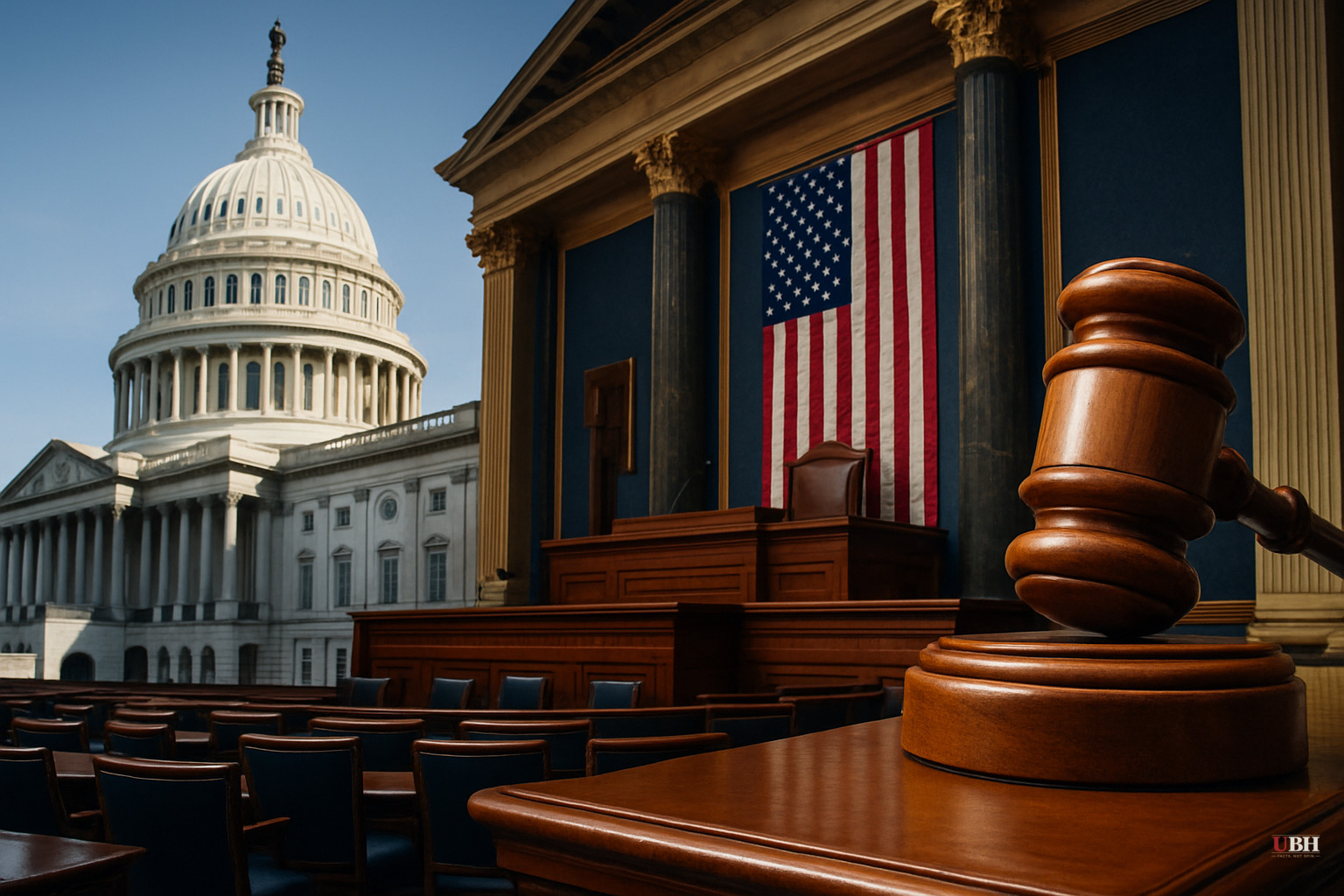
Since Iran's attacks on Gulf infrastructure escalated and the Strait of Hormuz became a war zone, America's emergency oil cushion has been shrinking at a pace that should alarm every driver, every business owner, and every honest politician in Washington.
The Numbers Are Ugly
The U.S. Energy Information Administration reported that commercial crude inventories dropped 7.9 million barrels for the week ending May 15, according to Gulf News. That blew past analyst expectations for a much smaller drawdown.
At the same time, the Strategic Petroleum Reserve — the world's largest emergency crude stockpile, stored in underground salt caverns along the Gulf Coast with a capacity of 714 million barrels — fell to its lowest level in nearly two years, per EIA data cited by Gulf News.
Now, as of today, June 3, those drawdowns have continued. WTI crude is trading at $96.13 per barrel, up over 2.5% on the day, according to OilPrice.com. Brent is at $98.02. The market is telling you exactly what it thinks about the supply picture.
Trump Is Draining It Faster Than Biden — Full Stop
Remember when Trump spent 2022 and 2024 hammering Biden for draining the SPR to hold down gas prices before midterms? Fair criticism at the time.
Now Trump is doing the same thing — only faster and at a more dangerous starting point.
CNN's Matt Egan reported on May 28 that SPR releases under Trump have not only surpassed Biden's records in magnitude, but the reserve is now approaching levels last seen in the early 1980s. The U.S. economy was a fraction of its current size back then. It consumed significantly less energy. The buffer that existed then doesn't translate to today.
The Iran war is real. The supply shock is real. Gulf supply routes are genuinely disrupted. But the SPR exists precisely for moments like this — and the U.S. went into this crisis already depleted from Biden's drawdowns. Now Trump is compounding the problem.
Both men made the same political calculation. Both men made America more vulnerable.
The Cushing Problem
CNN also reported that crude inventories at Cushing, Oklahoma — the critical pipeline hub and delivery point for WTI futures — are approaching what traders call "operationally low" levels. That's industry code for: refineries start struggling to source supply, logistics get chaotic, and prices spike hard.
We're not there yet. But the direction of travel is unmistakable.
America Is Now the World's Emergency Supplier
The U.S. hasn't just been releasing SPR barrels to supply American refiners. According to CNN, the United States has been exporting roughly half its emergency crude releases to Asia and Europe.
American taxpayers built and filled that reserve. American drivers are paying $4-plus at the pump. And about half the emergency oil is being shipped overseas to stabilize global markets.
That's a geopolitical decision, not an energy one. It may be the right call — keeping allied economies from collapsing has value. But Americans deserve to have that tradeoff stated plainly, not buried in an EIA footnote.
Japan Is Spending $19.4 Billion. South Korea Is Locking In Canadian Supply.
The rest of the world is NOT waiting around for Hormuz to reopen.
Japan has committed $19.4 billion to fighting its energy crisis, according to OilPrice.com. South Korea has locked in Canadian crude and LNG in a sweeping supply overhaul, also per OilPrice.com. Iraq is routing 770,000 barrels per day through the Ceyhan pipeline in Turkey — bypassing the Gulf entirely — as its southern output climbs back.
Allies are diversifying hard and fast. Washington's strategy appears to extend little beyond releasing reserves and hoping for a ceasefire that hasn't materialized.
The Refill Problem Nobody Is Talking About
Matt Smith, lead oil analyst at energy intelligence firm Kpler, put it plainly to CNN: "This isn't like a cookie jar. Those barrels have got to be put back at some point and that will lead to higher prices."
SPR releases lower prices right now. Refilling the SPR later raises them. The administration gets the political win today; American consumers pay the bill tomorrow — likely at prices even higher than current levels if the Middle East remains unstable.
There is no free lunch here. The SPR is a loan against future pain, not a solution.
What This Means for You
Gas prices are high now. They may stay high even after Hormuz reopens — Kuwait alone has said its oil output won't recover for 10 to 12 weeks after the strait clears, assuming it does at all.
When the SPR eventually needs to be refilled — and by law, it does — the government will be a massive buyer in an already tight market. That means higher prices, again, on top of whatever the market is doing at that point.
Every politician who tells you releasing the SPR "fixed" the problem is lying to you. They bought time. You'll pay for it later.
Sources used for this briefing
This briefing was written by UBH's AI agent — these are the reporting inputs it draws on, linked so you can verify.


