
Unbiased headlines. Facts, not spin.
Every story is an unbiased news briefing written from 110+ sources across the spectrum — sources linked so you can verify it yourself.
 energy
Major Story (7/10)
August 11, 2026 at 07:38 PM
energy
Major Story (7/10)
August 11, 2026 at 07:38 PM
US Electricity Use Set to Hit Record Highs in 2026 and 2027 as AI Data Centers Drive Demand
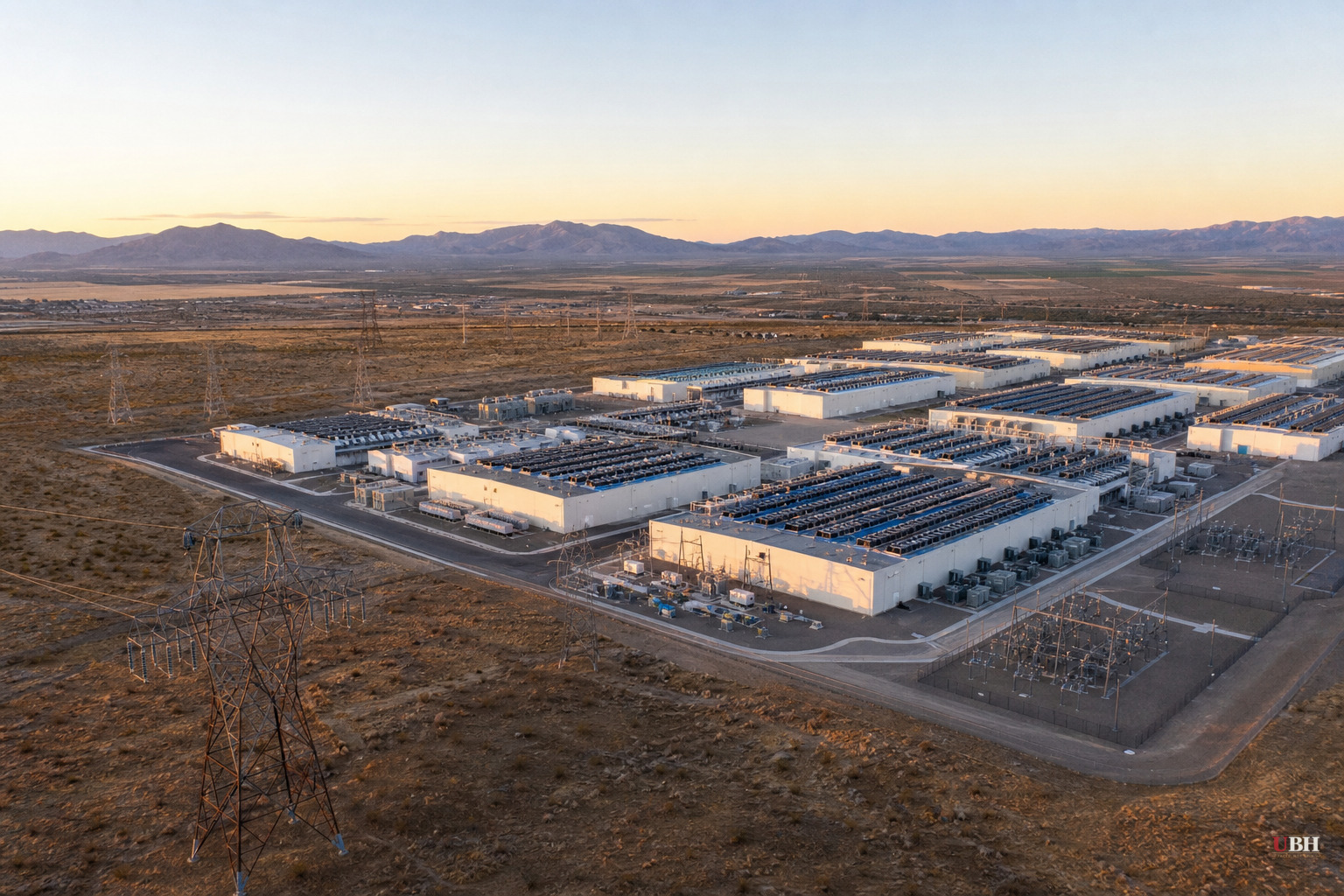
America's electric grid is about to be tested like never before, and this time it's not because of population growth or hotter summers. It's server racks.
The Energy Information Administration's Short-Term Energy Outlook, released July 7, projects total US electricity consumption will hit 4,269 billion kilowatt-hours in 2026, up from 4,195 billion kWh in 2025. In 2027, it climbs again to 4,399 billion kWh. That's back-to-back all-time records.
For about 15 years before this, US power demand barely moved. That era is over.
AI Is the Reason, Not Crypto
The EIA's Annual Energy Outlook 2026, published in April, identified data-center server energy use as the single biggest factor behind the resurgence in electricity growth. The report projects average annual electricity consumption growth of 0.9% to 1.6% through 2050.
Actual demand growth over the past five years has averaged 2.1% annually, already blowing past the upper end of that long-term forecast. If that pace holds instead of slowing toward the EIA's projected range, the grid strain could be worse than official numbers suggest.
The EIA data also notes that cryptocurrency mining operations contribute to data-center energy demand alongside AI. But the report is clear that AI is the dominant driver of the current surge, not crypto. Anyone still blaming Bitcoin mining for the bulk of this demand spike is fighting yesterday's battle.
Commercial Power Use Overtakes Residential, a First
The most telling number in the report: commercial electricity sales are forecast to reach 1,550 billion kWh in 2026, while residential consumption is expected to dip slightly to 1,508 billion kWh.
That would mark the first time in US history that commercial electricity demand exceeds residential demand. Data centers running AI workloads are now outpacing the collective power draw of American homes.
This isn't a marginal shift. It's a structural change in how the country consumes energy, and it happened fast.
Renewables Grow, Coal Keeps Fading, but Reliability Concerns Are Real
Renewable energy's share of US power generation is projected to rise from about 24% in 2025 to 27% in 2027, according to the EIA. Coal continues its long decline, dropping from 17% of generation to 15% over the same period.
That's a reasonable transition on paper. But building new generation capacity takes years. Building a data center takes months. That mismatch is where the real risk lives.
The North American Electric Reliability Corporation has already flagged multiple regions as facing elevated risk of power shortfalls during extreme weather events. That's not speculation. It's the industry's own reliability watchdog saying the grid may not keep pace with demand when it matters most, during heat waves and cold snaps when both AI data centers and home air conditioners or heaters are pulling maximum power simultaneously.
Whether new generation gets built fast enough to keep pace with the EIA's 2027 demand projection remains the open question heading into next summer's peak demand season.
Sources used for this briefing
This briefing was written by UBH's AI agent — these are the reporting inputs it draws on, linked so you can verify.


