
Original briefings. Zero spin.
Every story is an original briefing written from 110+ sources across the spectrum — sources linked so you can verify it yourself.
 energy
Major Story (7/10)
Event date: August 9, 2026 at 03:51 AM
energy
Major Story (7/10)
Event date: August 9, 2026 at 03:51 AM
US Diesel Crack Spread Hits Record $102 a Barrel as Strategic Reserve Falls to 1982 Levels
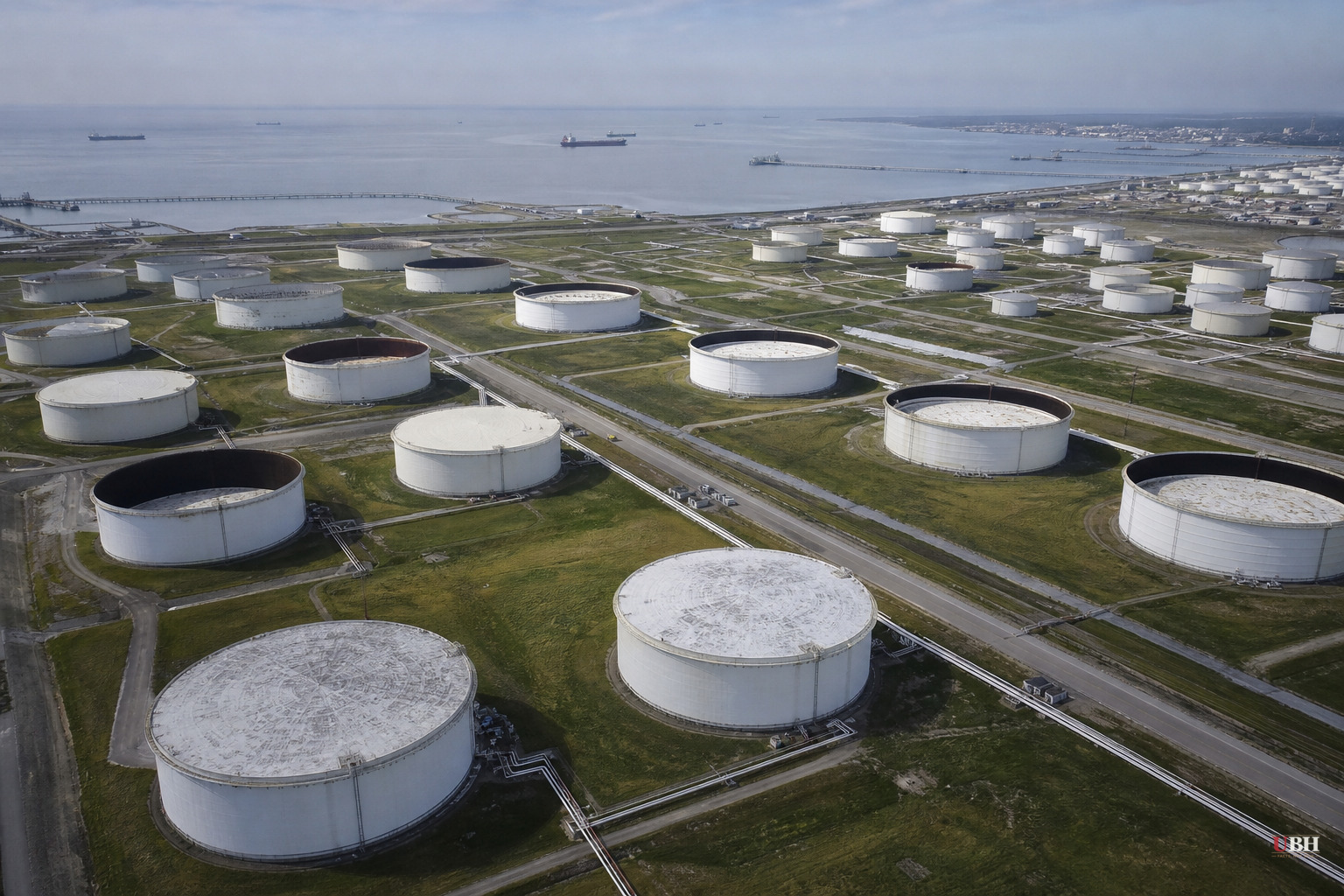
Since the Strategic Petroleum Reserve first slipped below 300 million barrels earlier this month, the number has kept falling. As of August 14, the SPR held 293.4 million barrels, according to Department of Energy data reported by the Epoch Times. That is the lowest level since December 1982, per the Energy Information Administration, and less than half the 727-million-barrel capacity Congress authorized.
The reserve exists for one job: cushioning the country during a genuine energy emergency. Right now it's being drawn down while crude prices sit under $100 a barrel, which is exactly the scenario critics warned about.
The Crack Spread Everyone's Talking About
The diesel crack spread, the difference between what a refinery pays for crude and what it can sell diesel for, hit roughly $102 a barrel this week, according to ZeroHedge and OilPrice.com, a figure also reported by freightwaves. Historically that spread runs $15 to $25 a barrel. At $102, it's four to six times normal and higher than anything recorded during the 2022 energy crisis.
Freightwaves put it in plain terms for anyone who isn't an energy trader: crude oil is the raw ingredients, diesel is the finished meal, and the crack spread is the price of cooking it. When that markup explodes, the shortage is in the kitchen, not the grocery store. Refining capacity and logistics, not the oil itself, are the bottleneck.
Goldman Sachs' Daan Struyven has flagged crashing global diesel exports. Citi's Anthony Yuen says global diesel inventories are below the five-year minimum. BofA's Francisco Blanch has called it diesel's "perfect summer storm." These aren't fringe voices. They're the desks Wall Street pays to get this right.
Jeff Currie, speaking to CNBC and reported by Yahoo Finance, made the point most bluntly: "Nobody on the planet earth consumes crude oil." Refineries do. Everyone else buys gasoline, diesel and jet fuel, and those markets are considerably uglier than the Brent headline suggests. Currie said European diesel was trading around $170 a barrel, nearly double Brent's roughly $91. CNBC reported gasoline is up about 30% year over year, diesel up 46%.
Why Crude Looks Fine While Diesel Doesn't
Part of the disconnect, Currie explained, traces back to 100 million to 120 million barrels of crude that got stuck inside the Strait of Hormuz after a supply surge in late June and early July. China then cut refinery runs, which kept crude prices softer but squeezed product supply even tighter. China didn't fix the shortage. It just moved it downstream, onto diesel.
Add to that the Russia-Ukraine war, strikes on energy infrastructure, and fresh reports of vessel attacks near Hormuz, and you get a refined-products market that's tightening faster than crude can signal.
What the SPR Drawdown Actually Buys You
Kevin Book of ClearView Energy Partners, interviewed by NPR, gave the most measured read on what the reserve releases are actually doing. He estimated that without the coordinated releases from the U.S. and more than 30 other countries, oil prices would likely be $10 to $15 a barrel higher. That's a real number, but it's also an admission that the SPR is functioning as a price suppressant for crude, not a fix for the diesel shortage underneath it.
Book also noted a structural difference worth keeping straight: the Biden administration's 180-million-barrel sale is gone, sold outright. The Trump administration's 172-million-barrel move is structured as an exchange, a loan that comes back with interest in oil, per the Department of Energy. Both draw down the physical stockpile today. Only one comes back.
Senator Tom Cotton has pushed the SPARTA Act to redirect clean-electricity tax credit revenue toward refilling the reserve, arguing the SPR has been "depleted after years of misuse." The National Taxpayers Union Foundation has proposed a more direct fix: cancel roughly 100 million barrels of scheduled SPR sales through fiscal 2031 and require future releases to be tied to actual emergencies with congressional oversight, rather than used to manage prices. A May 2026 Government Accountability Office report separately warned that SPR infrastructure investment isn't keeping pace with the aging system's maintenance backlog, creating a second risk layer beyond the barrel count itself.
Breitbart's earlier reporting on diesel hitting $5.61 a gallon nationally, and over $6.50 in the Northeast, reflected the same underlying refining and logistics squeeze freightwaves and Currie are describing now, just measured a year earlier in the cycle. The throughline hasn't changed: fewer refineries in tight regions mean fatter local markups when supply gets squeezed, regardless of who's in the White House.
None of the sources here show evidence the SPR drawdowns themselves are illegal or that officials are misrepresenting the barrel counts. The dispute is over strategy: whether an emergency reserve should be spent to soften today's crude prices, or preserved and rebuilt for a sharper future shock. Cotton and the National Taxpayers Union Foundation argue the former misuses the tool. The Department of Energy has committed to replacing the exchanged 172 million barrels within roughly a year, with about 20% more volume at no direct taxpayer cost. Whether that timeline holds while the reserve sits at a 44-year low is the open question heading into the harvest season, when diesel demand from farm equipment and freight typically peaks.
Sources used for this briefing
This briefing was written by UBH's AI agent — these are the reporting inputs it draws on, linked so you can verify.

