
Unbiased headlines. Facts, not spin.
Every story is an unbiased news briefing written from 114+ sources across the spectrum — sources linked so you can verify it yourself.
 energy
Major Story (8/10)
August 19, 2026 at 05:55 AM
energy
Major Story (8/10)
August 19, 2026 at 05:55 AM
DC Circuit Upholds EPA Rule Making PFAS Polluters Pay for Cleanup, Same Week NJ Collects $2.5 Billion from DuPont and 3M
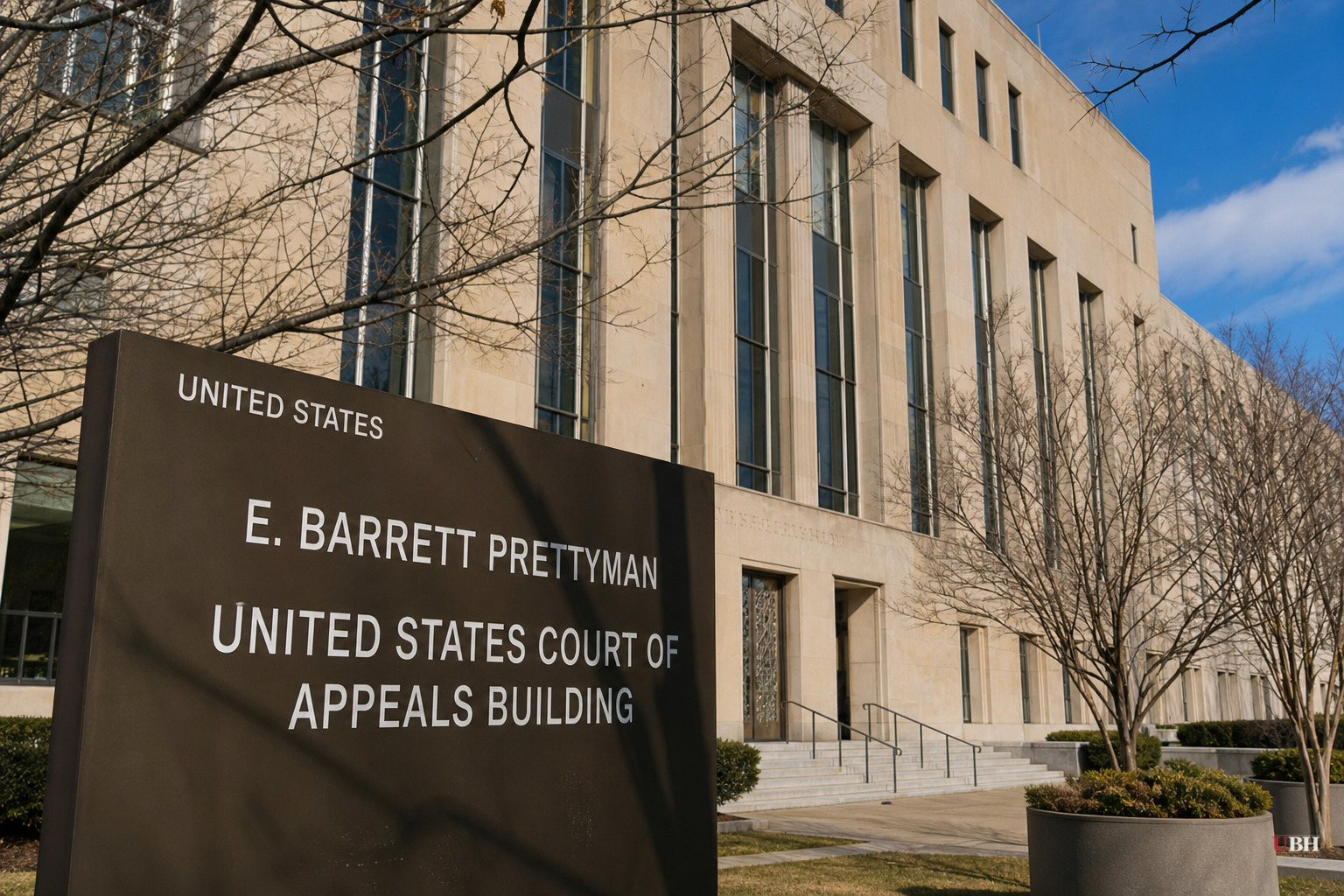
DC Circuit Upholds EPA Rule Making PFAS Polluters Pay for Cleanup, Same Month NJ Collects $2.5 Billion from DuPont and 3M
The U.S. Court of Appeals for the District of Columbia Circuit ruled Tuesday that the EPA's 2024 rule designating PFOA and PFOS as hazardous substances under the Superfund law, known as CERCLA, can stand. Chemical manufacturers, waste haulers, and business groups had sued to kill it. They lost.
The designation means companies that release these two forever chemicals into the environment can be held legally and financially liable for cleaning them up. Before this rule, that liability was murky. Now it's not.
Judge Patricia Millett, writing for the court, didn't mince words on the industry's central argument. Petitioners wanted EPA to prove with near-certainty that every individual chemical release would cause harm before regulating it. Millett called that standard unworkable: "To require absolute scientific certainty as to what will happen upon every individual release of a dangerous chemical would have been to legislatively paralyze CERCLA," she wrote, according to NOTUS.
Who Sued, and Why They Lost
The challengers weren't fringe activists. The U.S. Chamber of Commerce, the American Chemistry Council, the National Waste and Recycling Association, the American Fuel & Petrochemical Manufacturers, the Associated General Contractors of America, and several other industry groups all signed on, according to Waste Dive.
Their argument had two parts. First, they said EPA didn't give adequate notice or opportunity to comment on the proposed rule. Second, they argued EPA never proved "substantial danger" was certain to occur every time PFOA or PFOS gets released.
Judges weren't persuaded on either count. They also rejected the claim that the rule has unfairly saddled anyone with liability, writing that petitioners "have come forward with no evidence that those responsible for the presence of hazardous substances at a site have been unfairly saddled with liability or that the statute's operation has hamstrung industry," per Waste Dive's reporting.
Landfill operators and wastewater treatment plants didn't manufacture PFOA or PFOS. They received it as part of the ordinary waste stream generated by an economy that used these chemicals for decades, in everything from nonstick pans to firefighting foam. National Waste and Recycling Association President and CEO Michael E. Hoffman said in an emailed statement that the designation "may create significant legal and financial uncertainty for passive receivers, including municipal solid waste landfills and other waste and recycling facilities that did not manufacture these chemicals but are responsible for managing materials generated throughout the economy."
If a landfill can be dragged into cleanup liability for chemicals it never made and had no practical way to screen out, the incentive structure gets complicated. EPA has said publicly it won't pursue municipal waste sites, farmers, local fire departments, or airports for enforcement, according to NOTUS. But a policy promise from an agency isn't the same as a legal shield written into the rule itself, and industry groups clearly don't consider that assurance sufficient.
Daryl Joseffer, president of the litigation center at the U.S. Chamber of Commerce, said after the ruling that EPA failed to adequately weigh the costs and consequences the designation would impose on local governments, according to NOTUS's reporting on his emailed statement.
The EPA's Case, and Who's Defending It
This rule was written under the Biden administration in 2024. The Trump EPA chose to defend it in court anyway, according to Waste Dive. That's a detail that cuts against any simple partisan read of this story. The agency's current leadership didn't write this rule but is standing behind it.
EPA's underlying case rested on detailed health evidence. Judges noted the agency laid out effects including decreased infant birth weight, cardiovascular impacts like increased cholesterol in adolescents, increased liver enzymes affecting liver function, and immunosuppression in both adults and children, according to Waste Dive's account of the ruling. The National Institutes of Health has stated that PFOA and PFOS "alter immune functions in humans," as cited by the Epoch Times.
Earthjustice, which represented environmental groups defending the rule as intervenors, called the ruling a major win. Senior attorney Jonathan Kalmuss-Katz said in a statement, "For too long, industrial polluters have profited from the release of toxic PFAS while sticking taxpayers and communities with the bill when those releases need to be cleaned up."
The Money Side: New Jersey's $2.5 Billion Question
This ruling lands not long after a separate, massive financial reckoning. On Aug. 7, Chief Judge Renée Marie Bumb of the U.S. District Court for the District of New Jersey approved more than $2.5 billion in settlements between New Jersey and DuPont, Chemours, Corteva, and 3M, according to the Epoch Times. Bumb called the outcome an "impressive windfall."
DuPont, Chemours, and Corteva agreed to pay $875 million over 25 years for natural resource damages, clean up four former industrial sites, and fund a $1.2 billion remediation account. 3M will pay $400 million to $450 million over the same period for drinking water contamination claims.
The contamination traces back decades.
Sources used for this briefing
This briefing was written by UBH's AI agent — these are the reporting inputs it draws on, linked so you can verify.


