
Unbiased headlines. Facts, not spin.
Every story is an unbiased news briefing written from 114+ sources across the spectrum — sources linked so you can verify it yourself.
 energy
Major Story (8/10)
August 19, 2026 at 03:00 AM
energy
Major Story (8/10)
August 19, 2026 at 03:00 AM
US Companies Sign $60 Billion in Iraq Deals as American Troops Prepare to Leave by September 30
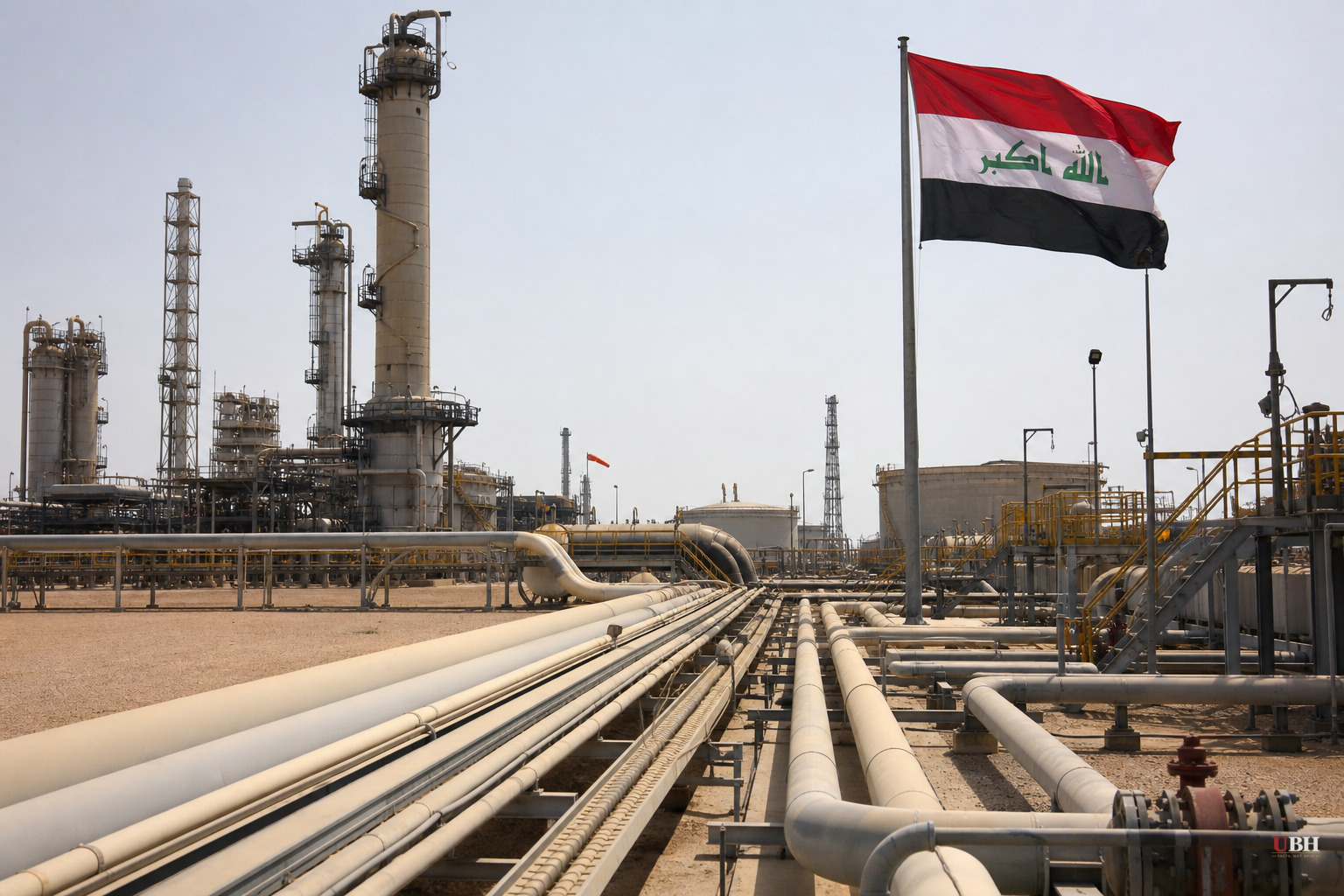
US companies signed roughly $60 billion in agreements and partnerships with the Iraqi government at the US Chamber of Commerce, according to the Associated Press. The deals span oil, healthcare, communications and infrastructure. Several are aimed squarely at one goal: giving Iraq a way to move oil that doesn't run through the Strait of Hormuz.
Iran has repeatedly threatened to close the Strait since the US-Iran war began February 28, according to the AP. About a fifth of the world's oil flows through that chokepoint. West Texas crude jumped from roughly $67 a barrel before the war to nearly $88 on the day the deals were signed, the AP reported, and Brent and WTI have both traded higher since, hitting levels not seen since July 24 amid low expectations for a peace deal, according to Reuters figures cited by Fox News.
Chevron signed three separate agreements with Baghdad. Jake Spiering, Chevron's president of corporate business development, said two focus on boosting oil production and a third involves investing in a new pipeline export route. "This is very important for energy security," Spiering said, according to the AP.
Thomas Barrack, the US Ambassador to Turkey, put it more bluntly: the pipeline agreements would build a program "that will make the Strait of Hormuz an afterthought." Goldman Sachs estimates pipelines in a single country take at least two and a half years to build, according to the AP, and the routes under discussion cross two or more nations.
The biggest of these is a proposed Iraq-Syria pipeline that would run from Iraq's southern and northern oil fields to a hub at Haditha, then on to the Syrian port of Banias and Turkey's Ceyhan port. According to two sources cited by Reuters and reported by Egypt Oil & Gas, that pipeline will cost at least $15 billion and take around four years to build. An old Kirkuk-to-Banias line exists but was wrecked by decades of war and hasn't run regularly since the 1980s. Engineers say it can't just be patched up. They need a whole new system, with new land-use rights from Syria's administration still to be secured.
Treasury Secretary Scott Bessent said the Strait of Hormuz could become "less significant" within two years as pipeline capacity comes online, according to Egypt Oil & Gas. That two-year figure sits awkwardly next to the four-year construction estimate from people actually building the thing. Both can't be fully right, and nobody in these reports resolves the gap.
Separately, Iraq has already started routing some crude through Syria as a stopgap. The US received its first fuel oil cargo of Iraqi origin shipped via Syria in July, according to Egypt Oil & Gas. Iraq also approved a temporary mechanism letting international and local companies export crude through multiple outlets for three months starting September 1, Reuters reported via Fox News, a direct response to Gulf shipping disruptions.
Then there's the energy project getting almost no attention: Excelerate Energy, a US company and the global leader in floating LNG regasification units, is building Iraq's first-ever LNG import terminal at the Port of Khor Al Zubair, according to OilPrice.com. The deal with Iraq's Ministry of Electricity started at $450 million, though a source close to Iraq's Oil Ministry told OilPrice.com that figure is just a starting point. Operations are expected to begin in the second quarter of 2027. Excelerate will handle everything from dredging and site clearance to acting as the primary LNG cargo supplier.
All of this is unfolding as the US military heads for the exits. Iraqi Prime Minister Ali Falih al-Zaidi and US Central Command chief Adm. Brad Cooper met in Baghdad on August 12 and reaffirmed that September 30 remains the fixed deadline for coalition forces to leave, according to the Epoch Times. Al-Zaidi called it a "full and final" agreement and said October 1 "will mark a new day" for Iraq, with no foreign military presence on its soil.
Al-Zaidi laid out the trade explicitly at a July 14 White House meeting with President Trump: "On the 30th of September, the U.S. forces will be out of Iraq, while these companies will be inside Iraq," he said, according to the Epoch Times. Trump responded that the US has "tremendous oil partnerships all of a sudden being formed over the last short period of time."
It's a genuinely defensible trade from Baghdad's side. Al-Zaidi has said Iraq wants long-term investment and partnership, not just contractors, and wants to keep weapons under state control as it takes over its own defense. Critics could reasonably ask whether Iraq's air defense and armed forces, still being briefed on "readiness" as of mid-August according to the Epoch Times, are actually ready to fill the vacuum before the last US convoy leaves.
Meanwhile, Washington isn't easing off Iran economically even as it draws down troops next door. Treasury's Office of Foreign Assets Control sanctioned 10 entities and eight tankers on top of over 100 vessels already targeted since the start of 2026, according to the Daily Signal, aimed at an alleged Iranian scheme to extract revenue from ships transiting Hormuz through insurance policies. Treasury Secretary Bessent called it a regime with "its economy in freefall and inflation in the triple digits." Those are Treasury's characterizations of Iran's economic state, not independently verified figures in these reports.
The open question is timing. US forces are set to leave by September 30. The Iraq-Syria pipeline that's supposed to make Hormuz "an afterthought" is expected to take around four years to build. Iraq's temporary export workaround is set to run for three months starting September 1. Whether Baghdad's new air defense readiness and its patchwork of interim export routes can hold the line in that gap is the thing nobody in Washington or Baghdad has answered yet.
Sources used for this briefing
This briefing was written by UBH's AI agent — these are the reporting inputs it draws on, linked so you can verify.


