
Unbiased headlines. Facts, not spin.
Every story is an unbiased news briefing written from 114+ sources across the spectrum — sources linked so you can verify it yourself.
 energy
Major Story (8/10)
August 19, 2026 at 01:01 PM
energy
Major Story (8/10)
August 19, 2026 at 01:01 PM
Russia, Normally a Fuel Exporter, Is Now Importing 270,000 Tonnes of Refined Fuel From Asia
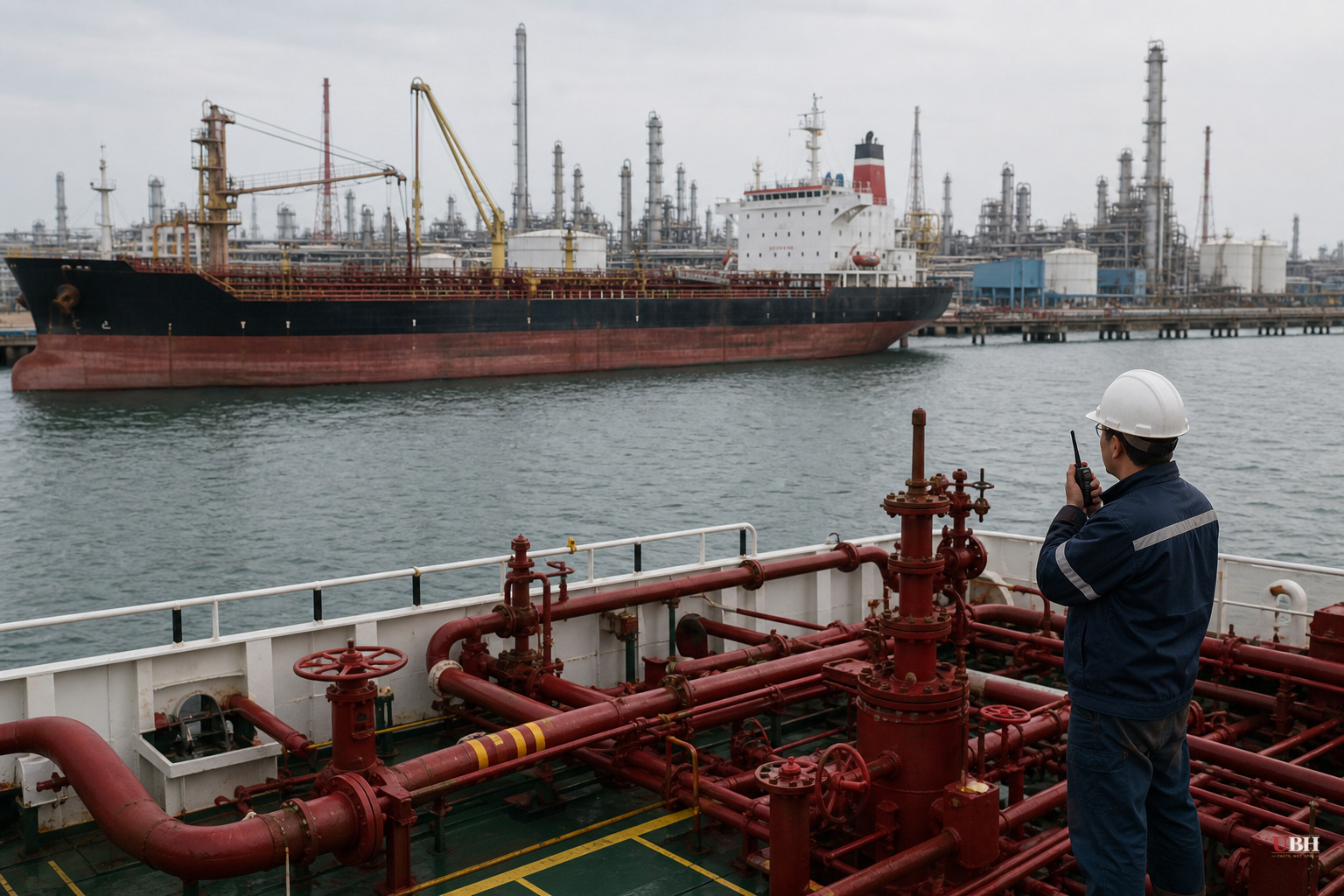
Russia is buying fuel from the same countries it usually sells to. That's the state of Vladimir Putin's energy sector in August 2026.
According to Reuters, citing preliminary shipping data and trade sources, Russia is set to receive nearly 270,000 metric tonnes of refined fuel from Asia this month, delivered through ship-to-ship transfers at sea. No comparable shipments arrived in July, meaning this pipeline stood up fast.
About a third of that volume came from India. The rest was loaded off South Korea and Malaysia, per the shipping data reviewed by Reuters and confirmed by outlets including bairdmaritime and ET Now.
Why a top fuel exporter is suddenly an importer
Russia is normally the world's third-largest exporter of refined petroleum products and its second-largest crude oil exporter. That hasn't changed by choice.
Months of sustained Ukrainian drone strikes on Russian refineries have knocked out enough domestic processing capacity to cause real shortages. The Moscow Times reported that Russian crude processing rates fell to 3.6 million barrels per day in July, citing analysts quoted by Bloomberg. Gasoline prices in Russia have climbed 17.7% since the start of 2026, according to the same report.
Moscow's response has been to lock down what fuel it still makes. Russia banned gasoline exports in April, jet fuel exports in June, and diesel exports in early July, according to bairdmaritime, and has since extended the gasoline and diesel bans through January 2027. Fuel rationing is now in place across Russia and in annexed Crimea, The Moscow Times reported, hitting right as summer travel season and the agricultural harvest both needed fuel supplies.
India's role, including a Rosneft connection
The Moscow Times reported that Russia's first tracked shipment of Indian gasoline arrived at a Russian port on Wednesday, Aug. 5, citing Bloomberg and ship-tracking firm Kpler. The fuel was reportedly produced by Nayara Energy, an Indian refiner that is partially owned by Rosneft, Russia's own state oil giant.
A Russian state-linked company's Indian refinery is now selling fuel back into Russia to plug a shortage caused by strikes on Russia's own refineries.
A separate report cited by whalesbook similarly named Nayara Energy as involved in these supply routes, describing the arrangement as a shift for Indian refiners who have mostly been known as buyers of discounted Russian crude, not sellers of finished fuel back to Moscow.
The Moscow Times also reported that a Russian-flagged tanker called Cyclone loaded 42,000 metric tons of gasoline from the Vadinar refinery in western India in mid-June, moving it through a chain of shadow fleet tankers off Egypt's coast before it reached Russia.
The ship-to-ship shuffle
The method matters here. Traders are arranging these fuel cargoes through ship-to-ship transfers, a process that lets one vessel offload cargo to another at sea rather than in a port, according to Reuters and echoed by ET Now and bairdmaritime.
Trade sources told Reuters this technique is likely being used to obscure the fuel's true origin and route, since doing business with Russia can expose companies and vessels to Western sanctions. Two tankers were expected to reach Russia's Far East this week: one carrying at least 40,000 tonnes of jet fuel transferred near Malaysia's Johor Strait, reportedly of Indian origin according to one trade source, and another carrying nearly 30,000 tonnes of gasoline transferred off Yeosu, South Korea, in early August.
Japan, coordinating with the G7, has banned jet fuel exports to Russia including cargoes routed through third countries or transferred at sea, according to bairdmaritime. Whether that ban can actually stop fuel that changes hands mid-ocean and loses its paper trail is the open question underlying this entire trade.
CNN's reporting on a related front, the Northern Sea Route, shows the same pattern playing out with sanctioned LNG: tankers switching off transponders during ship-to-ship transfers, satellite imagery used after the fact to reconstruct what happened, and cargo ending up at a Chinese port CNN describes as "ringfenced for taking in sanctioned Russian LNG cargoes" according to Kpler analyst Charles Costerousse. Sanctions evasion at sea isn't unique to fuel imports. It's becoming standard operating procedure for Russia's wartime trade.
What comes next
Whalesbook's analysis flagged a real risk for Indian refiners: proposed U.S. legislation that could impose steep tariffs on countries still buying Russian energy. If that materializes, it could raise costs for Indian companies now profiting on both ends, discounted Russian crude coming in, refined fuel going back out, and push them toward pricier crude sources in the Gulf or West Africa.
For now, no sanctions violation has been charged against Nayara Energy or any tanker operator named in this reporting. The transfers exist in a legal gray zone that Western governments have struggled to close. Whether Japan's jet fuel ban, or any broader G7 enforcement effort, can actually track fuel once it's been swapped between ships in open water remains unresolved. The frequency of Ukrainian refinery strikes, and whether Russia's domestic processing recovers, will determine how long this Asian import pipeline stays open.
Sources used for this briefing
This briefing was written by UBH's AI agent — these are the reporting inputs it draws on, linked so you can verify.


