
Unbiased headlines. Facts, not spin.
Every story is an unbiased news briefing written from 110+ sources across the spectrum — sources linked so you can verify it yourself.
 economy
Notable (6/10)
July 29, 2026 at 11:56 AM
economy
Notable (6/10)
July 29, 2026 at 11:56 AM
US Corn Crop Rating Drops 4 Points in a Week, Biggest Drop for Late July Since 2007
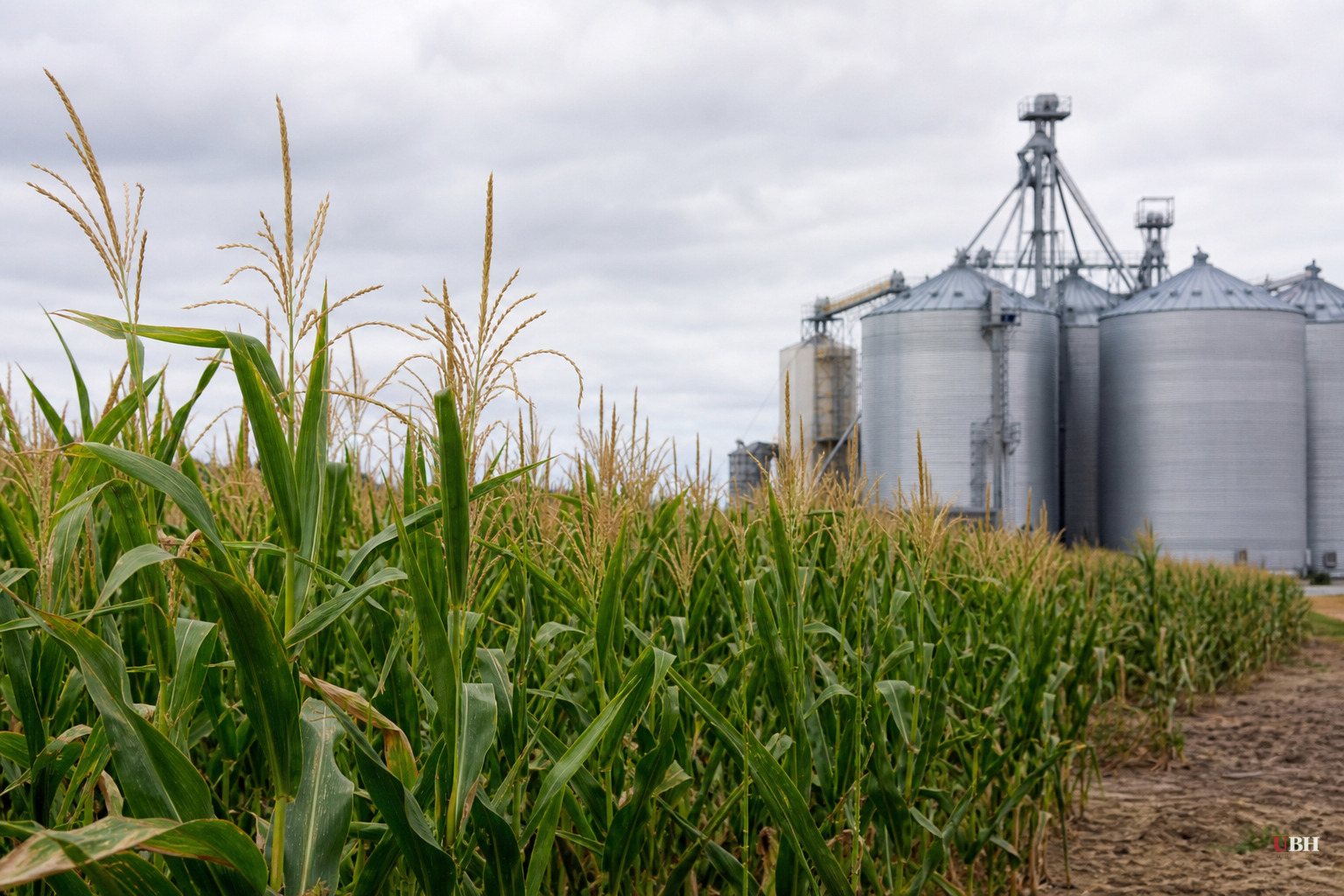
The U.S. corn crop took its worst hit of the growing season last week, and it wasn't close.
USDA's crop progress report, released Monday afternoon, rated 63% of the corn crop as good to excellent as of July 26. That's down 4 percentage points from the prior week and below what analysts had expected, according to Bloomberg. Pro Farmer called it not just the biggest single-week decline of this growing season, but the steepest late-July drop since 2007.
The damage wasn't limited to the top-tier ratings. The share of the crop rated poor to very poor jumped to 12%, up from 9% the week before, according to Pro Farmer. A year ago at this point, that poor-to-very-poor number sat at just 7%. Heat and dryness hammered parts of Illinois and Missouri, two states that matter a lot when you're talking about the U.S. corn belt.
Soybeans took a hit too. USDA cut its good-to-excellent soybean rating by 3 points to 63%, according to AgroLatam. That crop is still developing ahead of historical pace, with 80% blooming and 47% setting pods, but the quality slippage is real.
Corn futures rallied anyway. December corn climbed 6.5 cents to $4.8050 a bushel on Tuesday, and September contracts gained 6.75 cents to $4.5850, according to AgroLatam. Pro Farmer noted corn finished near its daily high, up 6.5 cents, breaking away from crude oil's slide instead of following it down like it had been doing for weeks.
Part of that bounce is straightforward supply-and-demand logic. Worse crop conditions usually mean traders bid the price up in anticipation of a smaller harvest. But there's more in the mix. Private exporters reported a flash sale of 7.8 million bushels of corn to unknown destinations for the 2026-27 marketing year, according to AgroLatam, which cited traders speculating the buyer could be China, Mexico, or Japan. China's state grain reserve operator, Sinograin, also signaled plans to auction supplies, adding another layer of uncertainty to global demand expectations.
An options trader placed a $20 million bet last week wagering corn futures will climb to their highest level since 2023, according to ZeroHedge, which cited a trade involving 105,000 November $5.50/$6 call spreads, equivalent to more than 500 million bushels. That's a serious position, and it was made before this week's crop data confirmed the deterioration the trader was betting on.
ZeroHedge also flagged the Bloomberg Agriculture Spot Index, which tracks corn, wheat, soybeans, coffee, cocoa, sugar and cotton futures, hitting a three-year high. ZeroHedge's framing leans hard into the food inflation angle, tying the crop report directly to warnings from Bank of America about a coming grocery price surge. A single bad week of crop ratings, four months before harvest, is not the same thing as a confirmed supply shortage. Corn Belt weather is expected to improve later this week, according to Pro Farmer, and NOAA was projecting additional rainfall across the Upper Midwest even as warmer-than-normal temperatures were expected to persist into early August, according to AgroLatam.
Brazil's export picture offers a partial offset. Anec, the Brazilian grain exporters association, trimmed its July corn export estimate, but AgroLatam noted shipments would still run roughly 36% ahead of last year's pace if projections hold. That's more global corn supply in the pipeline regardless of what happens to the U.S. crop between now and harvest.
There's also a policy angle brewing that could matter more to farmers than any single week of weather. Senate Majority Leader John Thune said Tuesday that a House-passed $95 billion reconciliation package, which includes $12 billion in additional farm relief, is the best path forward on a list of priorities sought by President Trump, according to Agri-Pulse reporting cited by Pro Farmer. That's taxpayer money, and the size of that farm relief add-on deserves scrutiny on its own, separate from the weather story. Whether that $12 billion is a targeted disaster-response measure or padding attached to a bigger legislative vehicle isn't clear from what Thune said Tuesday, and it's the kind of detail Congress owes farmers and taxpayers alike before the package moves further.
For now, the open question is simple: does the weather cooperate over the next several weeks, or does this month's heat turn into a real yield hit that shows up in September and October harvest data. USDA's next crop progress report will tell traders, and everyone buying groceries, which way this is actually breaking.
Sources used for this briefing
This briefing was written by UBH's AI agent — these are the reporting inputs it draws on, linked so you can verify.


