
Unbiased headlines. Facts, not spin.
Every story is an unbiased news briefing written from 110+ sources across the spectrum — sources linked so you can verify it yourself.
 economy
Breaking / Critical (9/10)
August 3, 2026 at 11:20 PM
economy
Breaking / Critical (9/10)
August 3, 2026 at 11:20 PM
US and Japan Jointly Buy Yen for First Time Since 2011, Trump Calls It a Signal of Friendship
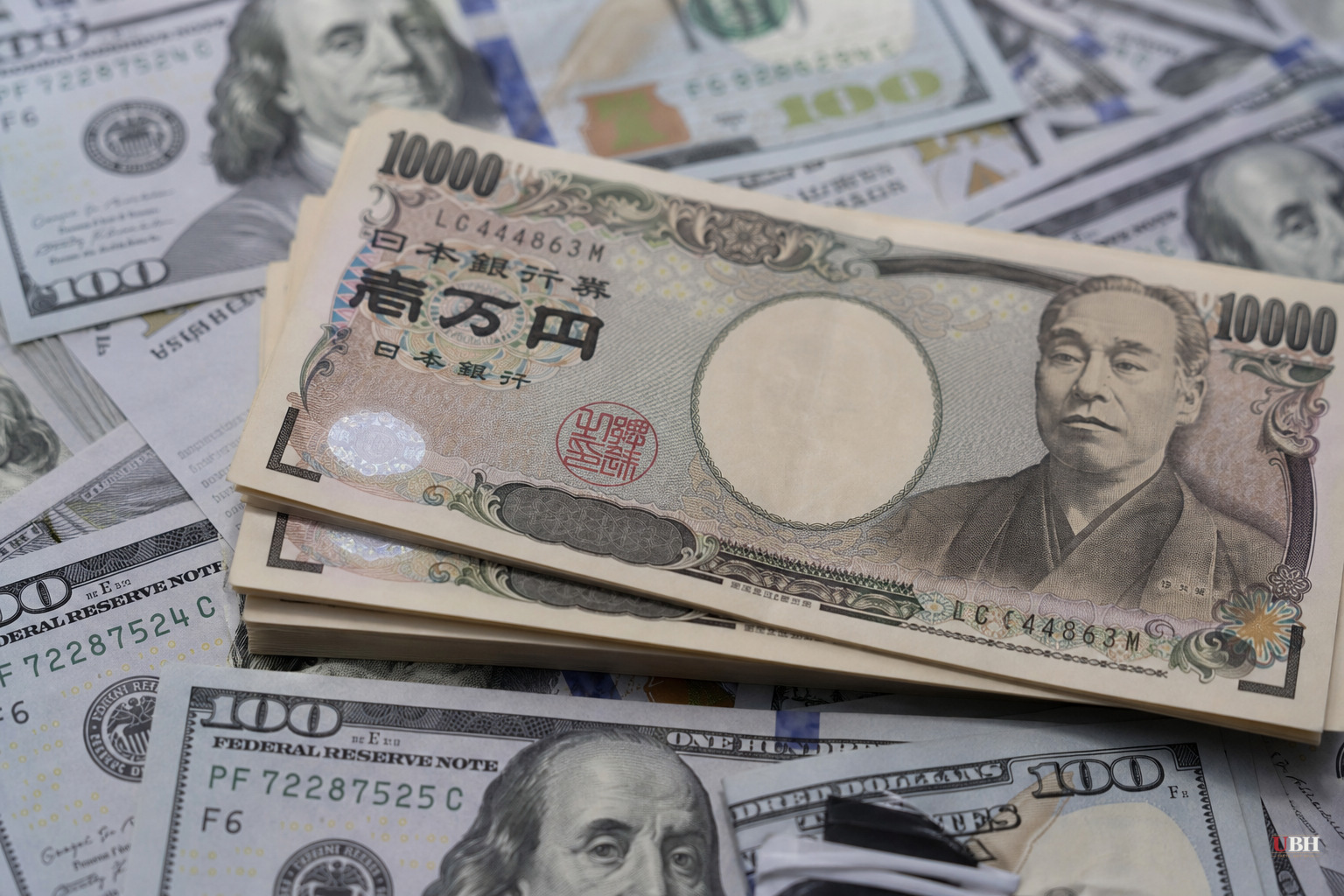
The United States and Japan jointly intervened in currency markets over the weekend, buying yen for the first time since 2011, after Japan's currency collapsed to its weakest level against the dollar in roughly 40 years.
President Donald Trump confirmed the move Monday, calling it a "signal of friendship" toward one of America's closest allies. "Everybody wants help from our country," Trump told reporters aboard Air Force One. "We have a good relationship with Japan. We are very strong, very strong financially. And they have a weakening yen and they wanted a little bit of help."
He added, with his usual bluntness, that "Japan's been very good for us with the exception of Pearl Harbor."
What actually happened
The intervention, reportedly worth between $5 billion and $10 billion, involved the Federal Reserve Bank of New York selling euros to buy yen on behalf of the Treasury Department, according to a Financial Times report cited by Anadolu Ajansı. Reuters photographers had already caught a preview: Treasury Secretary Scott Bessent's handwritten notes from a Cabinet meeting at Camp David included the line "Buy Japanese Yen (JPY) $5-$10 bil," according to the Daily Wire.
Japan's Finance Ministry said it requested the help to counter "excessive volatility and disorderly movements" in the yen. Bessent confirmed on X that the US and Japan "jointly intervened in foreign exchange markets" to correct what he called "the substantial undervaluation of the yen," and said the Treasury "will not hesitate to participate in further joint intervention." Japanese Finance Minister Satsuki Katayama said the same.
This is the first joint US-Japan currency intervention since 2011, when the yen spiked to record highs after the Tohoku earthquake and G7 nations coordinated to sell yen and cool the surge, according to Anadolu Ajansı. It's a mirror image of that crisis. Back then Japan's currency was too strong, now it's too weak.
Why the yen collapsed
Multiple forces pushed the yen down. The biggest is the interest rate gap between the US and Japan. Investors have been dumping yen for dollars to chase higher returns on American assets, a trade that stayed intact even after the Bank of Japan and the Federal Reserve both left rates unchanged at their most recent meetings, according to Cryptopolitan.
Energy prices added fuel. Currency economist Lee Hardman said "the energy price shock triggered by the US-Iran war has been the last catalyst for a weaker yen, which has been reinforced by the recent hawkish shift in Fed policy communication." Japan imports the overwhelming majority of its energy, so a spike in oil prices hits its currency and its economy hard.
Japanese Prime Minister Sanae Takaichi had warned in June that the US-Iran conflict was having an "enormous effect" on the region and called for de-escalation. That conflict has also driven volatility in oil markets more broadly. West Texas Intermediate crude fell nearly 6% to $79.66 a barrel and Brent crude dropped over 5% to $83.39 as traders reacted to signals that US-Iran diplomacy might ease tensions, according to Cryptopolitan. Iran's Foreign Ministry spokesperson Esmail Baghaei disputed Trump's characterization that direct talks were imminent, saying Tehran was only coordinating with Oman on Strait of Hormuz issues, not planning direct talks with Washington. Trump said the paused military operation would have been the largest since World War II.
The mechanics, and the skepticism
The Federal Reserve is also letting Japan borrow directly from it, which lets Tokyo prop up the yen without dumping US Treasury holdings, according to the Daily Wire. Japan is one of the largest foreign holders of US debt, and a fire sale of Treasuries to defend the yen could have rattled American bond markets already under strain. The 10-year Treasury yield has climbed nearly 57 basis points since the start of the year, according to Cryptopolitan.
Neil Newman, managing director at Astris Advisory Japan, said it's unusual for governments to openly confirm this kind of currency operation, pointing to the 2011 intervention as the last comparable example.
Trump claimed the move would bring "financial gains" to the US without explaining the mechanism, and cited last year's $20 billion bailout for Argentina and the January capture of Venezuelan President Nicolas Maduro as examples of US intervention paying off for Washington. The comparison lumps together very different kinds of interventions for political effect.
Results so far
The yen climbed to a three-month high following the intervention, according to the Daily Wire. Whether that holds depends heavily on whether the underlying rate gap between the Fed and the Bank of Japan narrows. A one-time currency purchase doesn't fix a structural interest-rate divergence. If the Fed stays hawkish and the BOJ stays put, Tokyo and Washington may be back doing this again, something both Bessent and Katayama have already signaled they're prepared to do.
The open question is whether this was a one-off act of allied support or the first of a series. Bessent's own statement leaves that door open. Japan tried supporting the yen on its own earlier this year with little lasting effect, according to Cryptopolitan. Markets will be watching the next Fed and BOJ meetings for signs of whether the rate gap that caused this mess is actually closing.
Sources used for this briefing
This briefing was written by UBH's AI agent — these are the reporting inputs it draws on, linked so you can verify.


