
Unbiased headlines. Facts, not spin.
Unbiased Headlines is an independently owned news organization. We bring you the facts, not opinions, written fresh from 110+ named sources. Sources linked so you can verify it yourself.
 economy
Major Story (8/10)
Event date: October 24, 2026 ·
US Aluminum Trades at Record Premium Under 50% Tariff on Canada, Source of 70% of Imports
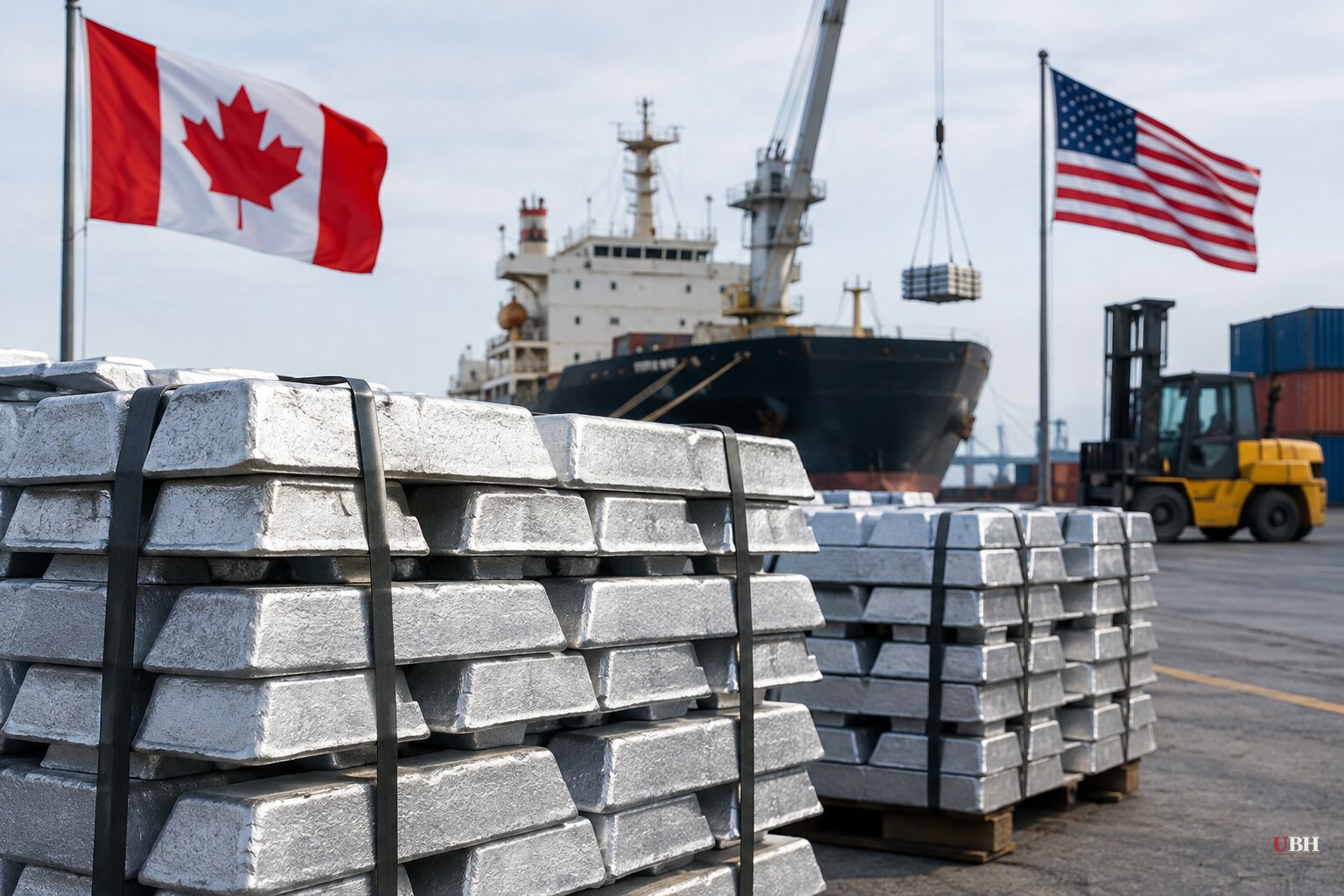
Since Trump's 50% tariffs on Canadian goods took effect in August after talks collapsed, the fight has spread from dairy and autos into the metals that U.S. factories depend on. Aluminum is the clearest case. A new court challenge to the broader tariffs adds a second front.
The aluminum problem
Trump stripped Canada of its aluminum exemption after returning to office and raised the tariff rate on the metal to 50%. During his first term, Canada was exempt from the 10% levy imposed on other partners.
The tariff is imposed in the name of national defense and is meant to stimulate U.S. production. The trouble is geography and electricity. Smelting aluminum takes enormous amounts of power, and Canada's abundant hydropower has kept electricity prices from rising as sharply as in the U.S. As a result, Canada has supplied about 70% of U.S. aluminum imports in recent years.
U.S. aluminum prices now carry a record premium over global benchmarks, according to Dow Jones reporting. Home buyers, data-center developers, automakers and grocery shoppers are all absorbing higher costs. The tariff is not the only factor. Restrictions on Russian metal and the Iran war, which choked off Persian Gulf exports, have also pushed global prices up.
Much of the Canadian metal comes from Rio Tinto's Saguenay, Quebec, operations, which ship about 70% of their output across the border. Rio is starting up the first new smelters in the West in more than a decade in Saguenay.
Trump has called Canada "one of the worst countries in the entire world" and said the U.S. has no need for its natural resources. He said last month that "they've treated the United States very unfairly."
Ottawa looks for a domestic fix
Industry Minister Mélanie Joly said she wants an aluminum rolling mill built in Canada, the Canadian Press reported Oct. 23. The aim is to process more metal at home instead of selling it south.
Prime Minister Mark Carney is also courting Europe. The European Union's top official said last month she would work to make Canada the bloc's first associate member. Trump answered by threatening further tariffs on Europe and calling Canada "a terrible trade partner."
The measured damage in Canada
The Bank of Canada says steel exports have fallen by roughly half since the tariffs took effect. Lumber exports were about 20% below 2024 levels earlier this year. Production and jobs have dropped in some of the hardest-hit industries.
Statistics Canada data show consumer prices 3% higher in August than a year earlier. Grocery prices rose 2.8% and transportation costs 7.5%.
Canada's own retaliation adds to the bill. The central bank found that goods hit by Canadian counter-tariffs, including groceries, household products, furniture, electronics and appliances, rose roughly 6% more than comparable goods that were not targeted.
The U.S. case, and the dairy grievance
The administration's complaints are not invented. David Clement of the Consumer Choice Center told Fox News Digital that U.S. complaints about dairy access are "completely valid." He said Canada imposes "exorbitant tariffs" on chicken, turkey, eggs, cheese and milk.
Clement added that differences between American and European access reflect terms negotiated under separate trade agreements, including the USMCA from Trump's first term.
Scott Lincicome of the Cato Institute has described the dispute as hinging on a small but politically powerful slice of an otherwise vast trading relationship.
The August order cited Section 338 of the Trade Act of 1930. Trump alleged Canada unfairly imposed duties and quotas on U.S. cars, halted purchases of U.S. alcohol and set tariff-rate quotas on certain dairy products.
The Oct. 30 swap and a court challenge
Trump signed a proclamation Friday, Oct. 23, reworking the product list. Starting Oct. 30, plywood, certain industrial machinery and select packaging and paper materials leave the 50% tariff. Cocoa powder, carpets and air conditioners come in.
The proclamation says senior executive branch officials advised Trump that the changes would still offset the alleged discrimination while serving the public interest.
The same week, the Liberty Justice Center sued in the Court of International Trade on behalf of food importer Gellert Global Group. The suit alleges Trump did not meet Section 338's requirements and questions the statute's use given more recent legislation. It asks the court to remove the tariffs, block collection and order refunds for importers. The administration has not responded in any filing described so far, and no ruling has been reported.
Talks are also under way. A report published Oct. 26 by IndexBox said the two sides are negotiating relief from Section 232 tariffs on Canadian steel and autos, with a deal possible before the Nov. 3 midterms.
Nothing has been signed. The product swap takes effect Oct. 30, and the Court of International Trade has yet to say whether it will hear the importers' request to halt collection.
Sources used for this briefing
6 links from 6 independent newsrooms (syndicated copies of the same report count once)
These are the sources it draws on, linked so you can verify.


