
Original briefings. Zero spin.
Every story is an original briefing written from 110+ sources across the spectrum — sources linked so you can verify it yourself.
 economy
Major Story (8/10)
September 2, 2026 at 04:50 AM
economy
Major Story (8/10)
September 2, 2026 at 04:50 AM
UN Report: World Will Blow Past 1.5°C Warming Limit Within Years, Even Best-Case Scenario Hits 1.8°C
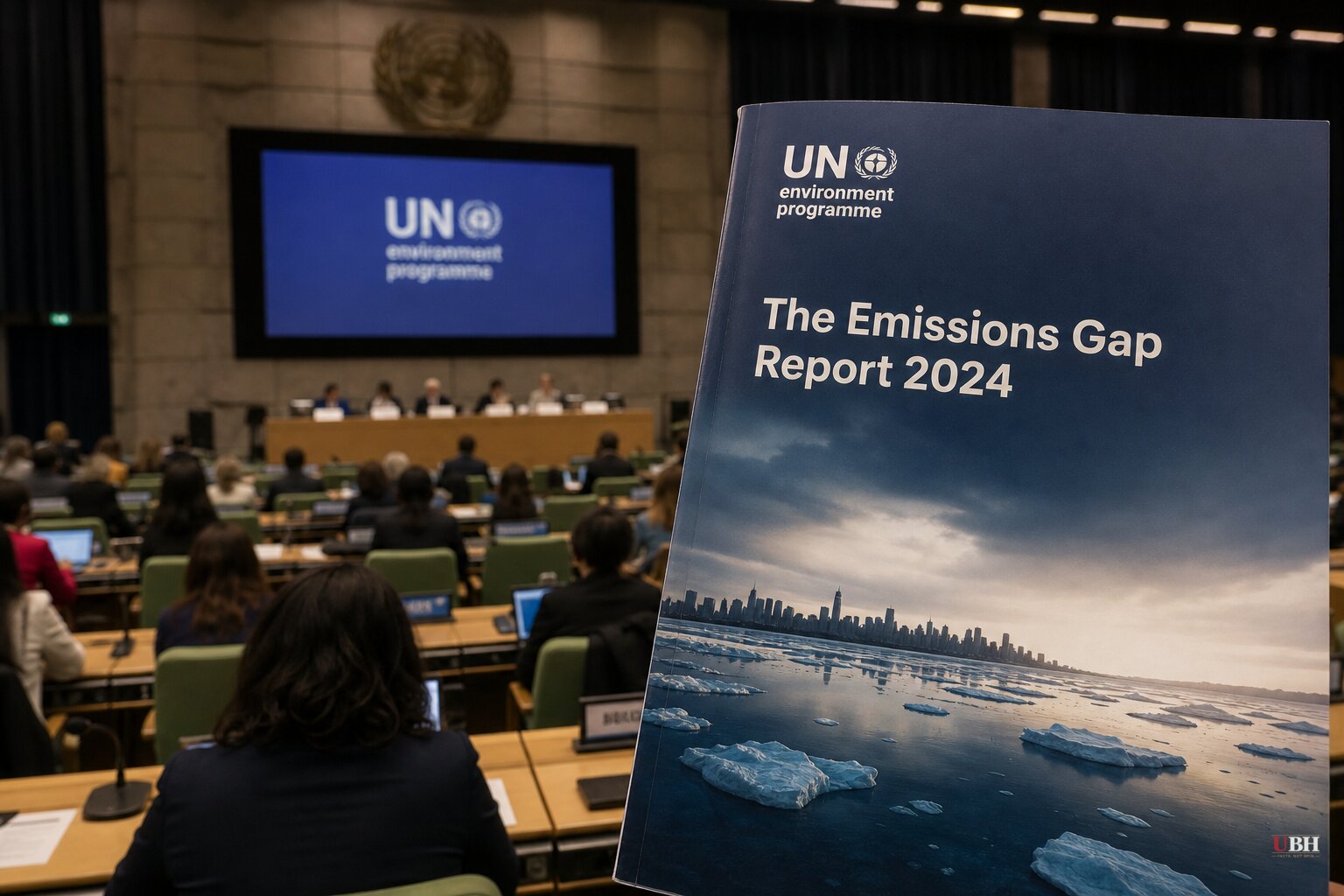
The United Nations Environment Programme dropped a 141-page report this week called "Limiting Overshoot," and the headline finding is blunt: the 1.5°C warming ceiling set in the 2015 Paris Agreement is gone. Not endangered. Gone.
The world sits at roughly 1.4°C above pre-industrial levels right now, measured as a 20-year average, according to the report as covered by the Associated Press. Even in the rosiest scenario, where every country actually follows through on its climate pledges and long-term net-zero targets, warming still peaks at 1.8°C. Under current policies, actual current policies, not promises, the trajectory points to 2.6°C by 2100.
Governments spent a decade promising 1.5°C. The UN's own numbers now show most of them aren't even on track for their own stated goals, let alone the treaty target.
What the report actually says
UN Secretary-General António Guterres put it plainly: "Humanity is speeding past the limit to avoid climate catastrophe." He's calling for what he termed an "overshoot of ambition," faster fossil fuel phase-out, a bigger renewables push, and cuts to methane pollution.
Report co-author Richard Betts, a climate scientist at the University of Exeter, framed it as an adjustment rather than a surrender: "It's a reality check. We have to live with this warmer world. But there's still a lot we can do to limit warming."
The plan going forward, according to the report, is an "overshoot, peak and decline" pathway: let temperatures rise past 1.5°C for some period, then use deep emissions cuts combined with technology to pull carbon dioxide back out of the atmosphere and bring the average back down below 1.5°C later this century. The report calls net zero "an essential milestone that cannot be skipped" but insists carbon removal has to run alongside emissions cuts, not replace them.
The Guardian's coverage highlighted the report's starker line: "There are no good outcomes above 1.5C." Under a 3°C scenario, the report projects glaciers could lose more than a quarter of their mass by 2100, adding up to 13cm to sea levels, and global food production could drop as much as 14% by 2050 without serious adaptation.
A joint wire report carried by the Goulburn Post, Moree Champion and reported separately in a related dispatch noted environmental groups called the findings "terrifying" and urged governments to shelve new coal, oil and gas projects. The same coverage tied the report's release to the Pacific Islands Forum underway in Palau, where Palau's president, Surangel Whipps Jr, hosting leaders including Australia's Anthony Albanese, called the report "a fork in the road moment for the planet." World representatives are also scheduled to attend a pre-COP event in Fiji and Tuvalu in the coming weeks.
The problem with carbon removal
The "overshoot and decline" plan leans heavily on carbon dioxide removal technology that does not exist at anywhere near the scale required. The report itself concedes nature's capacity to store carbon is uncertain and will shrink as the planet keeps heating. It also admits a single decade of overshoot could take 50 years to reverse, even under optimistic carbon-removal assumptions, and that a full return below 1.5°C "remained uncertain."
Betting trillions in fossil fuel phase-outs and energy-cost increases on removal tech that's still mostly experimental is a real gamble. Taxpayers and ratepayers are the ones footing the bill either way. Critics of aggressive net-zero mandates have made that argument for years: that forcing rapid decarbonization without proven, affordable replacement technology raises energy costs now for benefits that remain speculative decades out.
The report's answer to that concern isn't a denial. It's an argument that inaction costs more. It frames "overshoot, peak and decline" as the only remaining path, not because carbon removal is guaranteed to work, but because the alternative, sticking with the current 2.6°C policy path, guarantees larger and more irreversible losses: submerged islands, wrecked coral reefs, and food shortages. Whether that trade-off justifies the scale of spending and regulation being demanded of governments and consumers is a policy argument, not a settled scientific one, and it's one voters in individual countries will keep having at the ballot box.
The open question the UN report doesn't answer: which governments, specifically, close the gap between the 1.8°C "if everyone keeps their promises" scenario and the 2.6°C "current policy" reality. That gap is the whole story, and it's a political failure, not a scientific mystery.
Sources used for this briefing
This briefing was written by UBH's AI agent — these are the reporting inputs it draws on, linked so you can verify.


