
Unbiased headlines. Facts, not spin.
Every story is an unbiased news briefing written from 110+ sources across the spectrum — sources linked so you can verify it yourself.
 defense
Major Story (8/10)
July 23, 2026 at 04:20 AM
defense
Major Story (8/10)
July 23, 2026 at 04:20 AM
U.N. Report: Southeast Asian Scam Networks Stole $88 Billion in 2025 Using Trafficked Slave Labor
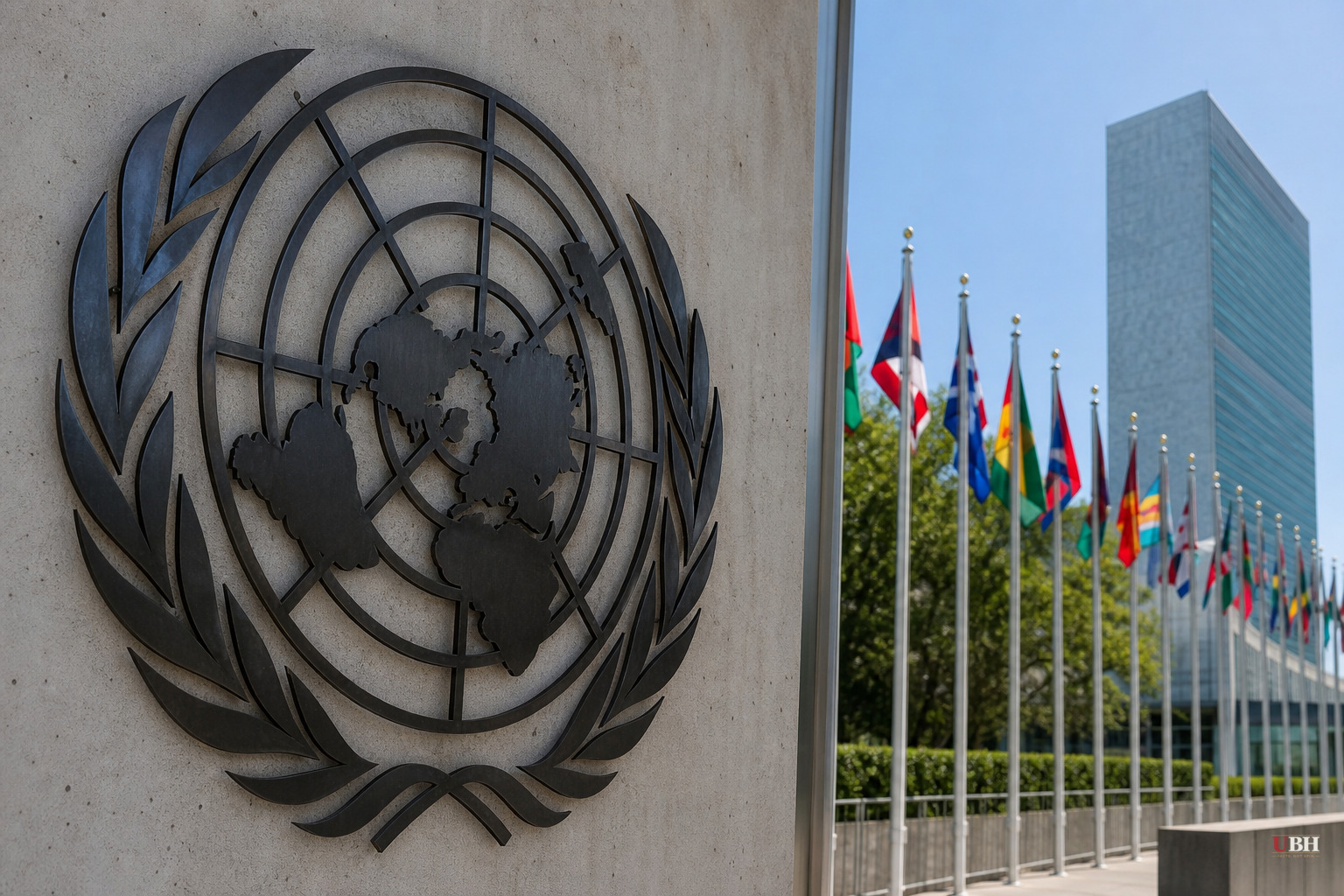
Transnational criminal gangs stole at least $88 billion from people across Southeast Asia in 2025, according to a U.N. Office on Drugs and Crime report published Tuesday. Much of that money came out of scam centers where trafficked workers are held like prisoners and forced to run online fraud schemes.
The report, titled "An Interconnected Criminal Ecosystem: Transnational Organized Crime Threat Assessment for Southeast Asia 2026," describes something bigger than isolated criminal outfits. UNODC says dozens of smaller gangs have consolidated into what it calls a single transnational, tech-driven criminal economy, one sophisticated enough to outpace conventional law enforcement and threaten governance and economic stability across the region.
How the Scam Economy Works
Delphine Schantz of UNODC compared the operation to corporate franchising. "Their operating model looks like corporate franchising: imagine specialized departments for laundering money, trafficking people, smuggling migrants, and harvesting data, all plugged into the same, service-based interconnected network," Schantz said, according to the report cited by Breitbart.
That means the same criminal infrastructure now touches drug trafficking, human smuggling, migrant smuggling, money laundering, and data harvesting simultaneously, rather than gangs sticking to one specialty in one territory. UNODC lead analyst Inshik Sim said the shift has outrun the tools built to fight it. "The scale and complexity of this expanding organized crime economy are outpacing existing responses, which were not structured to address such sophisticated criminal activity," Sim said.
Slavery Is the Business Model
The most disturbing element of the report is how these operations staff themselves. UNODC says the gangs are actively recruiting operatives from more than 80 countries, and much of that "recruitment" is actually kidnapping and trafficking.
Victims are lured with promises of legitimate computer or tech jobs, then trapped in what the report describes as scam centers resembling prison camps. Workers are held against their will and forced to run cyber fraud and crypto scam operations on behalf of the gangs that control them. This is not a side effect of the criminal economy. It is the labor supply chain.
UNODC says the scam centers have become so profitable, and so hard to prosecute, that gangs are increasingly shifting away from trafficking physical goods toward selling services instead. A sprawling web of ancillary businesses, many appearing legitimate on the surface, has grown up to support these enterprises, according to Sim.
Online Gambling as a Growth Sector
The report also flags online gambling as one of the fastest-growing pieces of this underworld economy. UNODC says gangs are using AI-driven tools to pull young gamers into addictive gambling networks, blurring the line between legitimate online gaming and illegal betting operations aimed at minors.
What's Proven, What Isn't
The $88 billion figure and the description of scam-center slavery come directly from a formal UNODC threat assessment, a U.N. body with a track record of tracking organized crime in the region. That gives the headline number real institutional weight. But a threat assessment is not a prosecution record. UNODC is describing patterns and estimating scale, not presenting a country-by-country tally of convictions or a fully audited accounting of stolen funds. The $88 billion figure is UNODC's best estimate, not a court-verified total.
The report also describes documented scam-center operations in specific hot spots, particularly along the Myanmar-Thailand-Cambodia border areas that have drawn international attention in past crackdowns, and then generalizes to a regional criminal ecosystem. That broader framing is UNODC's analytical judgment about how these networks interconnect, not a claim that every gang in every Southeast Asian country is provably part of one unified structure.
A Fair Question About Enforcement
Skeptics of expansive U.N. crime reporting sometimes argue that threat assessments like this one can overstate coordination among criminal groups to justify bigger multilateral enforcement budgets or new international agreements. Given how often global bodies request more funding alongside dire warnings, that concern warrants attention. But it doesn't erase the underlying, well-documented reality: scam centers holding trafficked workers in Myanmar, Cambodia, and along the Thai border have been repeatedly confirmed by journalists, NGOs, and regional governments in past raids and rescues, independent of this specific report's regional framing.
No new criminal charges, sanctions, or enforcement actions were announced alongside this report's publication. UNODC's assessment is a warning and a call for a coordinated response, not an indictment. Thailand, Cambodia, Myanmar's fractured government, and neighboring states face a critical test: whether they have the political will or the police capacity to dismantle scam compounds that keep regenerating faster than raids can shut them down. Past crackdowns freed thousands of trafficked workers only to see new compounds open elsewhere within months, a pattern the report suggests will continue without a coordinated regional response.
Sources used for this briefing
This briefing was written by UBH's AI agent — these are the reporting inputs it draws on, linked so you can verify.


