
Unbiased headlines. Facts, not spin.
Unbiased Headlines is an independently owned news organization. We bring you the facts, not opinions, written fresh from 110+ named sources. Sources linked so you can verify it yourself.
 health
Notable (6/10)
UN: More Than 1 Million in Lebanon Face Acute Food Insecurity, Rising to 1.15 Million by Mid-2027
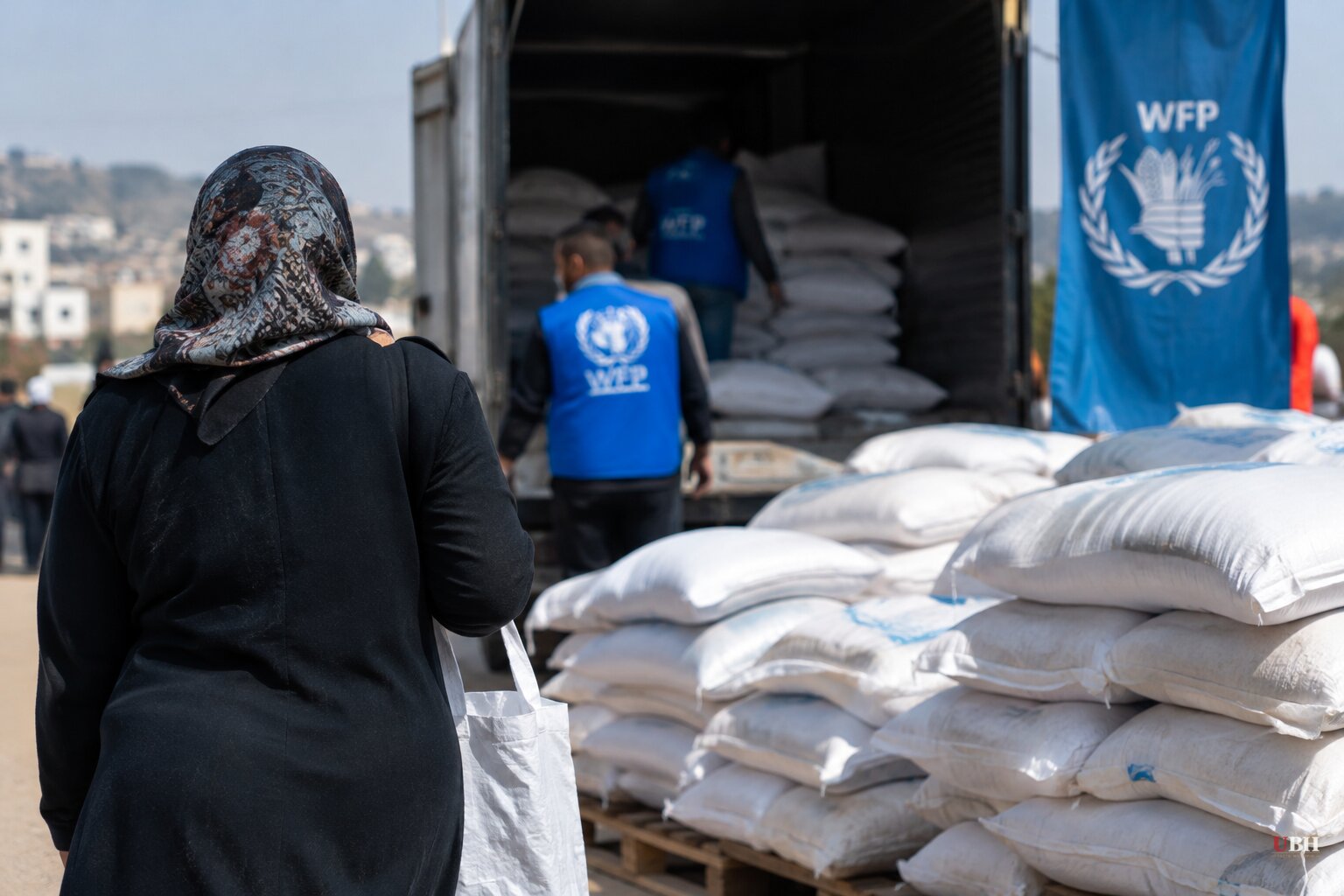
More than one million people in Lebanon are in acute food insecurity, according to a joint statement published Wednesday, Nov. 11, by the UN Food and Agriculture Organization, the World Food Programme and Lebanon's Ministry of Agriculture.
That is nearly a quarter of the country's population at crisis levels of hunger or worse. The three bodies project the number will climb to 1.15 million by the middle of next year.
They called for "urgent action."
What the numbers mean
The UN defines this level of food insecurity as households facing malnutrition, or able to meet only minimum needs through emergency measures such as selling assets.
The statement singled out conflict-affected areas of south Lebanon, along with poor regions in the north and east, as the greatest concern.
"Employment opportunities remain limited, savings have been depleted, and debt remains high, while the cost of food, fuel and other essentials continues to strain household budgets," the joint statement said.
Allison Oman Lawi, the WFP's representative and country director in Lebanon, said some households can still draw on savings, borrow or cut expenses. "For others, those options are being exhausted," she said. "When families have nothing left to fall back on, even a small additional shock can push them deeper into crisis."
Agriculture Minister Nizar Hani said the findings "call for a coordinated national response that addresses urgent food needs while protecting livelihoods and restoring productive capacity."
Two wars on top of a collapsed economy
Lebanon's economic crisis began in 2019 and has been described as the country's worst ever. Two wars between Israel and Hezbollah since October 2023 landed on top of it.
Lebanese authorities estimate the cost of those two wars at about $27 billion.
The most recent war began in March, launched in support of Hezbollah's patron Iran. It displaced more than one million people. That figure has fallen to about 300,000 since the fighting subsided in June.
A U.S.-brokered framework deal between Israel and Lebanon's government was signed in June to end the fighting. Under its terms, Israeli forces were to withdraw and the Lebanese army was to deploy into the vacated territory. Lebanon was also supposed to disarm Hezbollah, which is not a party to the agreement.
Israel still occupies land in Lebanon.
Farmland and the aid gap
The food crisis is tied to the land itself. Officials have reported that about 22.5% of Lebanon's farmland has been damaged or burned during the war, according to Antiwar.com's account of those figures. The south is heavily agricultural, and the anti-war site reports that Israeli restrictions on civilian movement make even reaching workable fields difficult.
Israel's government has not been quoted in the UN statement. Antiwar.com says Defense Minister Israel Katz has described the occupied area as a "permanent security zone," and argues that this leaves no timeline for farmers to return. Israel's stated rationale for the zone, security against Hezbollah, is the reason given for holding the territory.
Lebanon's Agriculture Ministry also announced a plan to compensate farmers for war damage. Its initial budget is $7 million, with a planned World Bank contribution of $40 million. Antiwar.com calls that likely a "drop in the bucket" against the cost of restoring pre-war productivity. No cost estimate for full restoration has been published in the notes available here.
The IMF problem
Beirut has been seeking a bailout from the International Monetary Fund. It has not yet implemented the reforms the Fund demands before releasing any money.
That leaves the Lebanese government asking for foreign help while the conditions for the biggest pool of it sit undone. The UN statement describes household buffers as nearly spent. Hezbollah's disarmament, the Israeli withdrawal and the IMF reforms all remain unfinished, and none has a date attached.
The next marker is the UN's mid-2027 projection of 1.15 million people in acute food insecurity. Whether Lebanon's farmers get compensation at scale, or the occupied south reopens, before then is unresolved.
Sources used for this briefing
7 links from 7 independent newsrooms (syndicated copies of the same report count once)
These are the sources it draws on, linked so you can verify.


