
Unbiased headlines. Facts, not spin.
Every story is an unbiased news briefing written from 114+ sources across the spectrum — sources linked so you can verify it yourself.
 health
Major Story (8/10)
August 5, 2026 at 03:42 PM
health
Major Story (8/10)
August 5, 2026 at 03:42 PM
UN Food Agency Warns El Niño Could Push 49 Million More People Into Acute Hunger by End of 2027
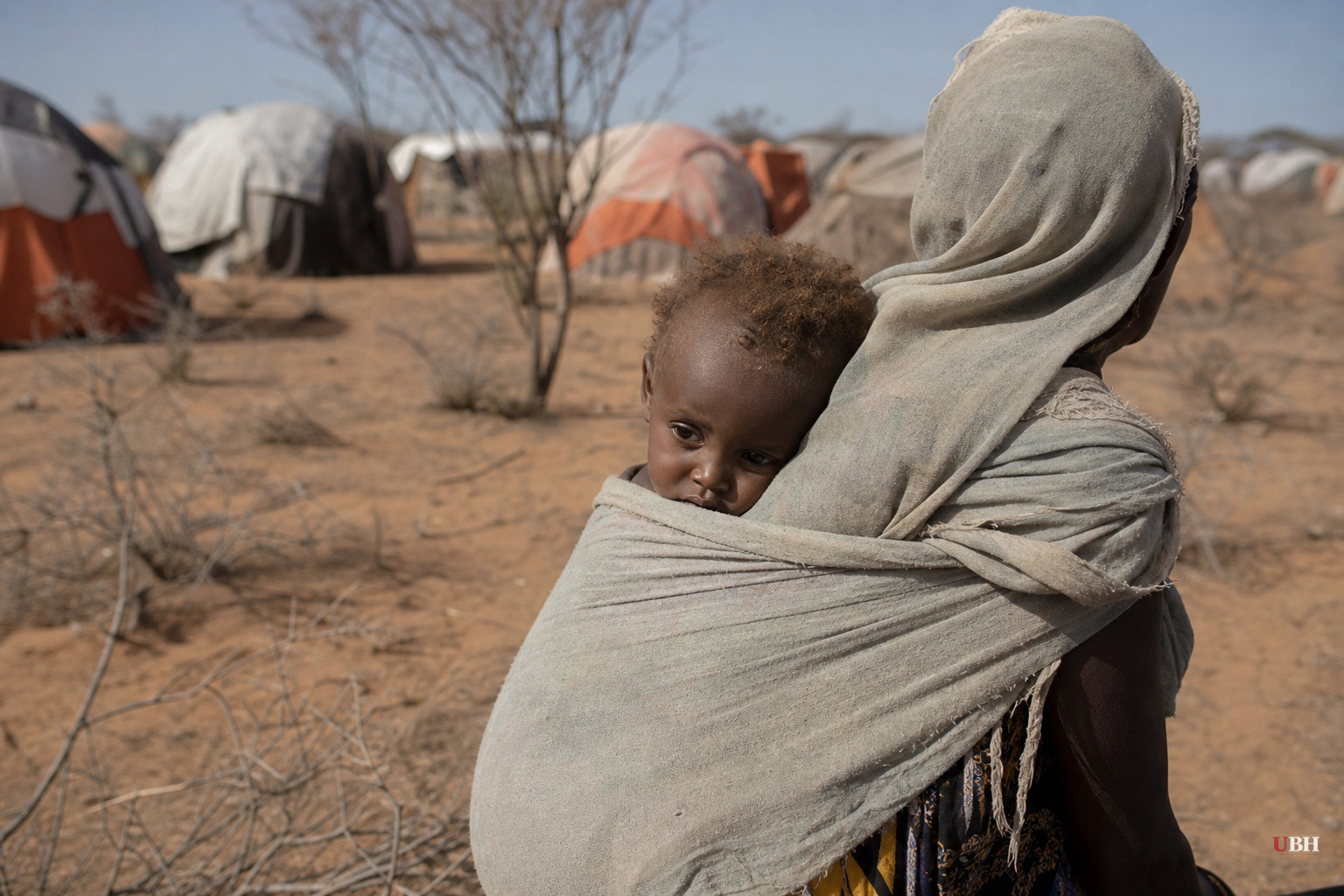
The World Food Programme said Wednesday that a powerful El Niño weather pattern could push nearly 49 million more people into acute hunger by the end of 2027, raising the global total from roughly 225 million to 274 million, a 22% increase.
A WFP report released this week was covered by Reuters and cited by the New York Post, UN News, Common Dreams and Modern Diplomacy. The agency says there's an 81% probability of a very strong El Niño this cycle, with Pacific Ocean surface temperatures at their warmest since at least 1982, potentially making it the strongest such event since 1950.
What El Niño actually does
El Niño is a periodic warming of Pacific surface waters that scrambles rainfall patterns worldwide. It tends to bring drought to southern Africa, delayed monsoons to parts of Asia, and erratic rainfall elsewhere, according to the WFP report cited by Reuters.
Carl Skau, WFP's acting executive director, called it "a massive threat to the food security of millions who are already vulnerable," according to UN News. Jean-Martin Bauer, director of WFP's Food Security and Nutrition Analysis Service, told reporters the agency looked at 45 countries already considered vulnerable and modeled how this El Niño would hit them.
Central America and southern Africa come out worst in that model. WFP projects an 83% increase in acute food insecurity in Central America and a nearly 75% increase in southern Africa. Southern Africa, South America and the Caribbean could each see more than 12 million additional people fall into acute hunger, with Latin America and the Caribbean combined seeing more than 16 million affected, according to Common Dreams' citation of the WFP analysis.
For context, WFP notes the 2015-2016 El Niño affected 60 to 100 million people. This projection, even at 49 million, would be a fraction of that on paper, though it starts from a much higher baseline of already food-insecure people. El Niño is expected to peak between September and December 2026, with effects lingering through 2027 because of damage to planting and harvest cycles, according to UN News.
On projections versus confirmed outcomes
Every source here is describing a forecast, not a confirmed outcome. WFP itself frames the 49 million figure as an "early projection" and says forecasts remain uncertain, per Modern Diplomacy. Bauer told reporters that past El Niño events haven't typically triggered major global food price spikes, and that global food markets entered this cycle in a relatively strong position after good 2025 harvests.
El Niño forecasting has a track record of being right about general patterns but wrong about magnitude in specific places. A model spanning 45 countries is going to have wide error bars. The WFP's own report acknowledges rainfall forecasts carry uncertainty. Bauer flagged that conflict in the Middle East and possible weather-related crop losses could push prices up further, but that's conditional, not certain.
The funding shortfall problem
Bauer told reporters that funding cuts from U.S. and European donors in 2025 have hampered the WFP's ability to even monitor the crisis it's warning about. He described a "growing drought of food-security data."
The numbers support that concern. WFP conducted about 1.1 million household surveys in 2024. That fell to roughly 800,000 in 2025, and data collection has dropped further in 2026 due to funding restrictions, according to Reuters and Modern Diplomacy's reporting on the same WFP figures.
Bauer's point is straightforward: when a major climate shock like El Niño hits, you need high-frequency data to catch emerging crises early. Less funding means less monitoring, which means slower response times. That could mean the 49 million projection is an undercount or the response could be too late in specific hot spots. It's the WFP's own flagging of a real operational problem tied directly to Western budget decisions.
Current response efforts
WFP says it has triggered anticipatory action plans in South Sudan, Chad, Mauritania, Uganda, Guatemala and El Salvador since May, providing more than $14 million in aid to roughly half a million people, according to UN News. Modern Diplomacy reports the agency has expanded anticipatory assistance to 18 countries total, reaching more than 1.3 million people with cash support ahead of expected weather disruptions.
WFP cites past El Niño response data showing $1 spent on anticipatory programs can save $3 or more in later emergency response costs, according to UN News. Whether governments and donors actually fund that upfront, rather than waiting for a crisis to hit before writing checks, is the open question heading into the WFP and FAO's joint appeal for more support. No specific dollar target for that appeal was disclosed in the available reporting.
Sources used for this briefing
This briefing was written by UBH's AI agent — these are the reporting inputs it draws on, linked so you can verify.


