
Unbiased headlines. Facts, not spin.
Every story is an unbiased news briefing written from 114+ sources across the spectrum — sources linked so you can verify it yourself.
 health
Notable (6/10)
October 9, 2026 at 12:38 AM
health
Notable (6/10)
October 9, 2026 at 12:38 AM
Pallone Bill Would Replace No Surprises Act Arbitration With Median In-Network Rate
The No Surprises Act stopped patients from getting hit with surprise out-of-network bills. Almost everyone agrees on that. The fight is over what it cost to get there.
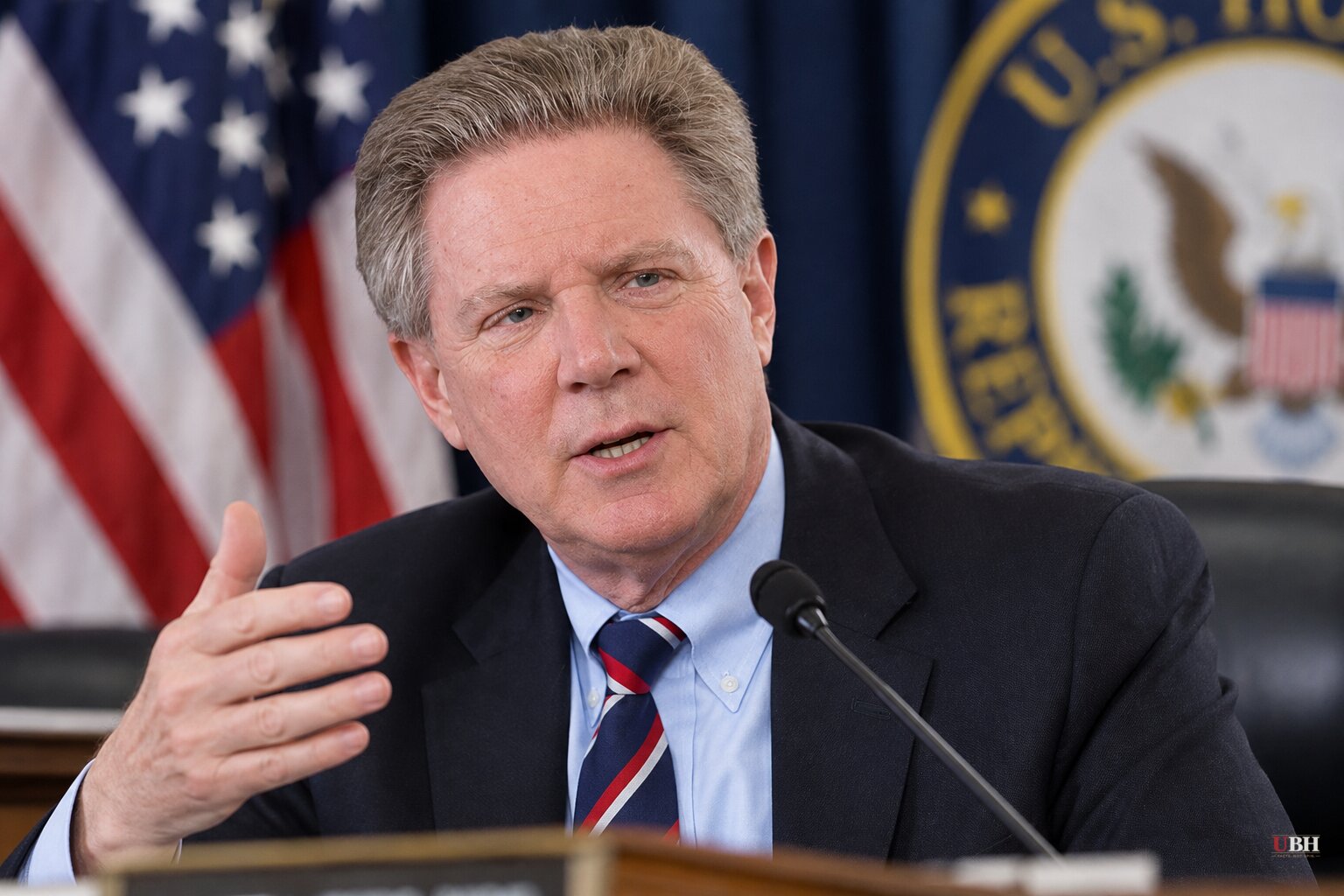
Rep. Frank Pallone Jr. (D-N.J.), ranking member of the House Energy and Commerce Committee, introduced the Lower Premiums, Faster Payments Act this week. It would rip out the law's arbitration process and replace it with a formula.
What the bill does
Under current law, which took effect in 2022, an out-of-network provider and an insurer who disagree on payment each submit a proposed rate. An arbitrator must pick one. There is no splitting the difference.
Pallone's bill would end that. Providers would be paid the median in-network rate for the service, adjusted for geography, even when they are out of network. Payment would be due within 30 days of the claim being filed.
Families USA describes the benchmark as tied to 2019 contracted rates. The 30-day payment deadline is a concession to providers, who have complained about delays.
Pallone helped write the 2020 law. According to The Hill, he favored benchmarking from the start and gave it up to get the bill through Congress.
The numbers behind the push
The figures below come from Pallone's committee office. They are his side's case, not independent findings.
Of the 2.5 million disputes submitted in 2025, about 67 percent came from just 10 provider groups. The committee says most of those groups are backed by private equity.
The 15 arbitration firms authorized to handle these cases collected $1.3 billion in fees in 2025. They collected $885 million over the three years from 2022 to 2024. Those firms awarded nearly $15 billion to providers in 2025.
The committee also cites a Health Affairs analysis that estimated the arbitration process contributed $22.4 billion in costs over four years. It says the New York State Employee Plan named arbitration awards as the main driver of a 10 percent premium increase this year.
"A few bad actors—largely backed by private equity—are gaming the system, creating backlogs, delaying payments, and driving up premiums," Pallone said in a statement. He also argues that court decisions have weakened the law's guidelines for setting payment amounts, producing ever-larger awards.
What CBS found in the awards data
A CBS News investigation published Oct. 7 looked at individual awards in public arbitration data. Industry researchers told CBS that insurers are paying hundreds of dollars for routine lab tests that typically cost $10 to $30.
In one case, a plastic surgeon, Dr. Norman Rowe, was awarded more than $400,000 for a breast reduction. The insurer said it had previously paid him between $6,000 and $30,000 for that procedure. CBS's analysis found Rowe was routinely awarded about 170 times benchmark rates. It found Long Island spine surgeon Vadim Lerman was awarded an average of 280 times benchmark.
Much of that money comes from employer-sponsored health plans. Workers can end up paying through higher premiums or reduced benefits.
The providers' answer
Providers reject the premise that these awards are abuse. They argue arbitration exists because insurers offer misleading and unrealistic reimbursement rates.
A spokesman for Rowe told CBS that insurers manipulate benchmark rates to create "artificially low reimbursement rates." He said Rowe relies on FairHealth benchmarks, set by an independent nonprofit and written into statutes and regulations around the country.
A spokesman for Lerman said the claim that he receives "hundreds of times" benchmark rates is incorrect. He said the comparison should not be made to the insurer's initial offer, "which can be inappropriately low for a complex surgical procedure."
The dispute also turns on a structural question. Arbitrators weigh the insurer's median in-network rate, known as the qualifying payment amount, alongside other data such as FairHealth rates. Medicare rates may not be considered. Pallone's bill would make the median in-network rate the answer, not one input among several.
Who is lining up
Insurers and some consumer advocacy groups prefer benchmarking, according to The Hill. Families USA Executive Director Anthony Wright called the bill a "common-sense solution" and said it would remove the incentive for "corporate middlemen to flood the system with disputes." His group says it led a letter to Congressional leaders backed by more than 60 consumer, employer and labor organizations.
Wright also said there is similar momentum in the Senate. No Senate bill was identified in the material from Pallone's office.
The tradeoff is one conservatives should weigh carefully. Arbitration is a market-style process, however flawed. A benchmark is a formula-set price, and its fairness depends on whose rates go into the median. That is exactly the argument providers make against it.
What comes next
Pallone is the minority-party ranking member. The Hill reports he is poised to chair Energy and Commerce next year if Democrats win the House in the Nov. 3 midterms, which would let him prioritize the bill.
The lobbying that shaped the original law will return. Passage was heavily lobbied by all sides, and The Hill notes the same forces will bear on any new effort in the next Congress. Whether lawmakers in either party will choose the median in-network rate over arbitration remains unsettled.
Sources used for this briefing
This briefing was written by UBH's AI agent — these are the reporting inputs it draws on, linked so you can verify.


