
Original briefings. Zero spin.
Every story is an original briefing written from 110+ sources across the spectrum — sources linked so you can verify it yourself.
 energy
Notable (6/10)
August 10, 2026 at 10:09 PM
energy
Notable (6/10)
August 10, 2026 at 10:09 PM
Ukraine's Drone Strikes on Russian Refineries Are Pushing Central Asia to Ditch Moscow for Fuel
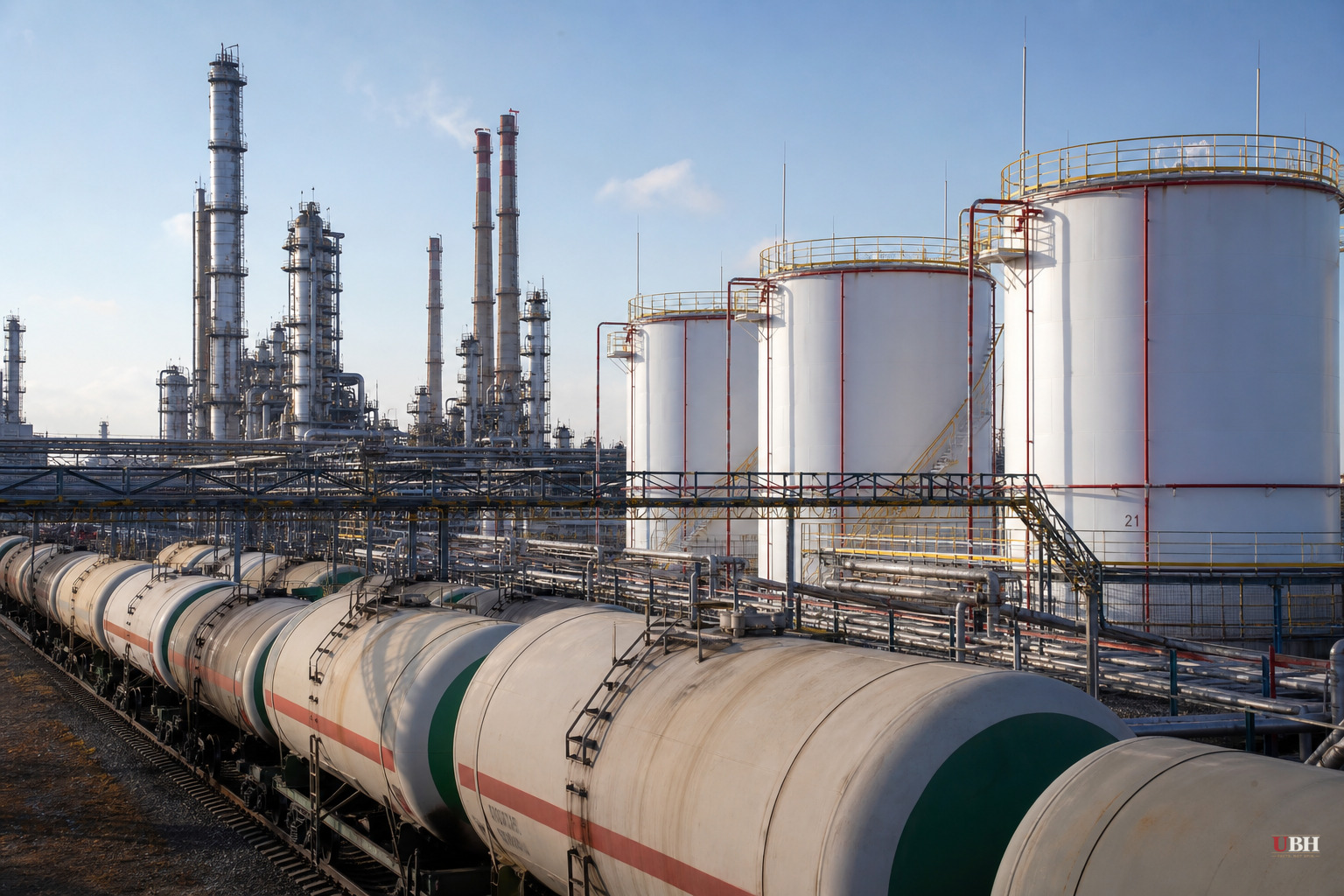
Moscow built its influence in Central Asia on cheap Russian fuel. Ukraine's drones are burning that leverage down, one refinery at a time.
According to OilPrice.com, sustained Ukrainian strikes on Russian refineries have forced the Kremlin to restrict exports of gasoline and jet fuel just as Central Asian states head into fall and winter demand season. The shortages aren't theoretical. They're already reshaping supply chains from Bishkek to Tashkent.
Kyrgyzstan Getting Half of What It Needs
Kyrgyzstan and Tajikistan relied on Russia for roughly 90 percent of their fuel until this year, per OilPrice.com. That arrangement is collapsing fast.
In late July, Russia agreed to supply Kyrgyzstan with only about 100,000 tons of petroleum products a month, roughly half of what Bishkek needs to meet demand for the rest of the year, according to OilPrice.com.
Kyrgyz officials didn't sit around waiting for Moscow to reconsider. They've struck supply deals with Uzbekistan and Kazakhstan, and started taking shipments from Belarus and China. Bishkek is also seeking additional fuel from Turkey and the EU, OilPrice.com reported.
At the same time, Kyrgyzstan is accelerating a domestic refinery project capable of producing about 450,000 tons of petroleum products a year, enough to cover nearly a quarter of national demand. The refinery could become operational as early as the end of 2026, according to OilPrice.com. That's not a quick fix. It's a bet that Russian supply problems aren't going away anytime soon.
Tajikistan Tripled Imports From Everyone But Russia
Tajikistan's numbers tell the story bluntly. The country tripled fuel imports from Turkmenistan, Uzbekistan and Kazakhstan in July, totaling 34,000 tons compared to June, Reuters reported, as cited by OilPrice.com.
Meanwhile Russian gasoline shipments to Tajikistan fell by roughly half, dropping to just over 14,000 tons. Tajik officials are now negotiating with Kazakhstan and China for additional supplies, and the country's Energy Ministry said in early July that existing reserves could last about 60 days, according to OilPrice.com.
Sixty days of cushion is not a comfortable margin heading into winter in a landlocked, mountainous country.
Uzbekistan Fighting a Different Problem: Too Many Russians Flying In
Uzbekistan is in better shape structurally. Domestic production can reach 100,000 tons of petroleum products a month, covering about 60 percent of national demand, according to OilPrice.com. Tashkent has covered the rest through deals with Georgia, Iraq and other countries, per a presidential press release cited by the outlet.
But Uzbekistan has a wrinkle: a jet fuel crunch tied to a rise in flights transiting Central Asia, including increased flights from Russia. A presidential statement quoted by OilPrice.com said "the number of flights traversing Central Asia is rising" and that flights to Uzbekistan from Russia specifically have increased, with domestic production expected to rise to meet the surging demand. Tashkent has emerged as a hub for Russians traveling abroad amid wartime sanctions.
Like Tajikistan, Uzbek officials say the country has reserves sufficient to last two to three months. First Deputy Energy Minister Umid Mamadaminov told television interviewers, according to OilPrice.com, "I am confident that, together with other organizations, regional authorities, and representatives of related sectors, we will get through the autumn-winter season without major setbacks."
Both Tajik and Uzbek officials are also stepping up efforts to prospect for new domestic energy reserves, with Dushanbe engaging Chinese firms for geological surveying and Tashkent working with U.S. firm Schlumberger (SLB) on a planned seismic data processing center, per OilPrice.com.
What This Means for Russia
Kazakhstan and Turkmenistan, by contrast, are largely self-sufficient in meeting domestic petroleum demand and are earning additional export revenue from neighboring states, according to OilPrice.com.
In what the outlet calls one of the clearest signs of the Kremlin's present difficulties, Russian officials are reportedly in talks with Kazakh counterparts on a possible deal to refine Russian oil at Kazakh refineries, Reuters reported, as cited by OilPrice.com. Such an arrangement would shield Russian petroleum products from further Ukrainian strikes but would likely reduce earnings for the Kremlin; under preliminary plans, Kazakh-refined products would be sold domestically as well as supplied back to Russia.
Central Asia isn't some minor sideshow for Moscow. These are countries Russia has used decades of Soviet-era infrastructure and energy dependence to keep politically and economically tethered. OilPrice.com's reporting suggests that the longer the war drags on, the more likely these new supply arrangements become permanent, leaving Russia with a smaller regional fuel market and less revenue over the long term.
The unresolved question is whether Kyrgyzstan's new refinery, the diversified deals with Kazakhstan and China, and the emergency shipments from Turkey and the EU represent a lasting pivot away from Russian energy dependence, or wartime improvisation that reverses once Russian refining capacity is repaired. Governments citing "60 days" or "two to three months" of reserves also have an interest in projecting stability, so those figures deserve some scrutiny rather than being taken at face value. Whether the diversification bet pays off depends largely on how long Ukraine's drone campaign keeps Russian fuel exports constrained.
Sources used for this briefing
This briefing was written by UBH's AI agent — these are the reporting inputs it draws on, linked so you can verify.


