
Original briefings. Zero spin.
Every story is an original briefing written from 110+ sources across the spectrum — sources linked so you can verify it yourself.
 finance
Major Story (8/10)
September 5, 2026 at 02:09 PM
finance
Major Story (8/10)
September 5, 2026 at 02:09 PM
Ukraine Pushes EU to Strip Belgium of Control Over €210 Billion in Frozen Russian Assets
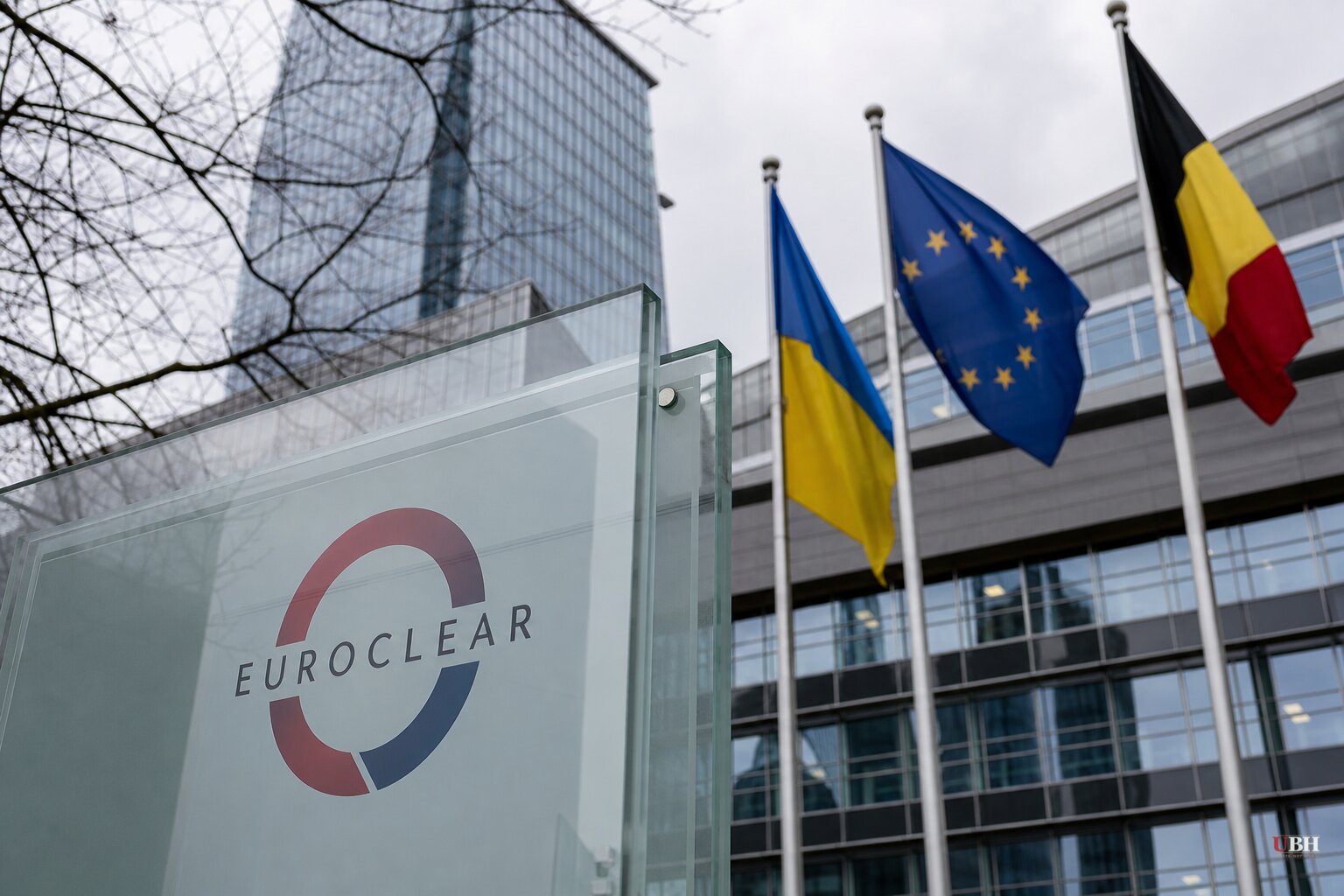
Russia's central bank reserves have sat frozen in the European Union since Moscow's full-scale invasion of Ukraine in February 2022. About €210 billion of that money, the bulk of it, sits at Euroclear, a securities depository in Brussels operating under Belgian jurisdiction. Belgium killed a plan last December to convert that pile into a reparations loan for Ukraine. Now the fight is back, with a new twist.
Ukrainian Finance Minister Sergii Marchenko told Euronews this week that Kyiv wants the EU to create its own custodian and move the frozen assets there, out of Euroclear entirely. The pitch: instead of Belgium alone facing Russian retaliation and lawsuits, all 27 member states would share the legal exposure.
"The proposal which we would like to discuss is a possibility to transfer the custodian of frozen assets from Belgium to the European Union," Marchenko said. "It will be the joint responsibility of the European Union. All 27 countries will be signing one accord in this discussion. It's a totally different scenario."
Sweden, the Netherlands, Spain and Poland, backed by the Baltic states, are the ones pushing the European Commission to reopen the broader asset debate, according to Euronews and Reuters. Ukrainian Foreign Minister Andriy Sybiga thanked those four countries by name for a joint letter to the Commission calling for the frozen assets to be used, per ua.news, which cited Politico's reporting.
Belgium's Objection, Stated Plainly
Belgian Foreign Minister Maxime Prévot made clear this week that his government hasn't budged. "The reasons behind our opposition have not magically disappeared," Prévot said, according to Euronews. "Using these assets through a process amounting to confiscation would entail very significant risks."
Euroclear is currently fighting a lawsuit inside the Russian legal system tied to the frozen funds, according to Euronews and a separate report from streamlinefeed.co.ke. Belgian officials argue that any move resembling confiscation invites retaliation and litigation across multiple jurisdictions, and that Belgium alone shouldn't have to absorb that risk for a policy the whole bloc adopted. The custodian idea is meant to directly answer that objection by spreading the legal exposure across all 27 member states rather than parking it in one country's courts.
The Article 122 Plan
The custodian concept isn't originating inside EU institutions. It's been advocated for months by a project called The Russian Transfer, led by Hugo Dixon, a commentator-at-large at Reuters; Lee Buchheit, an honorary professor at the University of Edinburgh Law School; and Daleep Singh, vice chairman at PGIM who served in the Biden administration, according to Euronews. They want the EU to invoke emergency powers under Article 122 of the EU treaties to move the assets held at Euroclear and private banks into a new EU-owned entity.
The European Commission is aware the idea is circulating but hasn't formally taken it up. Its position, reported by Euronews, is that the €90 billion loan facility agreed by EU leaders in December should cover Ukraine's needs through 2027, and it's reluctant to reopen a fight it isn't sure it can win.
Money Ukraine Says It Needs Now
Ukraine's numbers are getting worse, not better. Reuters reported, via Global Banking & Finance, that Kyiv needs an additional €27 billion, roughly $31 billion, for defense spending in 2026 alone, with a total budget deficit exceeding $32 billion this year and a similar shortfall projected for 2027. Marchenko said Ukraine is now in talks with the IMF on next year's budget.
Deputy Prime Minister Vsevolod Chentsov, speaking on the sidelines of an informal EU affairs ministers meeting in Dublin, said Kyiv is floating multiple options beyond the frozen-assets idea, including partial payments and broader guarantees, according to Politico's reporting as relayed by ua.news. "I am confident that if we want to find a solution, we will find one," Chentsov said.
An Unresolved Legal Question
Even supporters of the custodian plan acknowledge it doesn't settle the core legal problem. Moving where the assets sit changes who holds the liability. It doesn't extinguish Russia's ownership claim over the reserves or guarantee courts will treat a transfer as consistent with sovereign immunity. A separate legal basis would still be needed to actually spend the principal or use it as loan collateral.
There's also a broader monetary question hanging over the whole debate. Central banks around the world hold euros partly because they trust EU institutions to respect sovereign asset protections. Whether an EU-owned custodian changes that calculation, or just relocates the controversy, is a question the European Commission has not yet answered publicly. No formal Commission proposal on the custodian model has been announced as of this week.
Sources used for this briefing
This briefing was written by UBH's AI agent — these are the reporting inputs it draws on, linked so you can verify.


