
Unbiased headlines. Facts, not spin.
Every story is an unbiased news briefing written from 110+ sources across the spectrum — sources linked so you can verify it yourself.
 defense
Major Story (7/10)
June 23, 2026 at 05:27 AM
defense
Major Story (7/10)
June 23, 2026 at 05:27 AM
Ukraine Launches 301-Drone Wave on Russia, Shutting Down All Four Moscow Airports for Hours
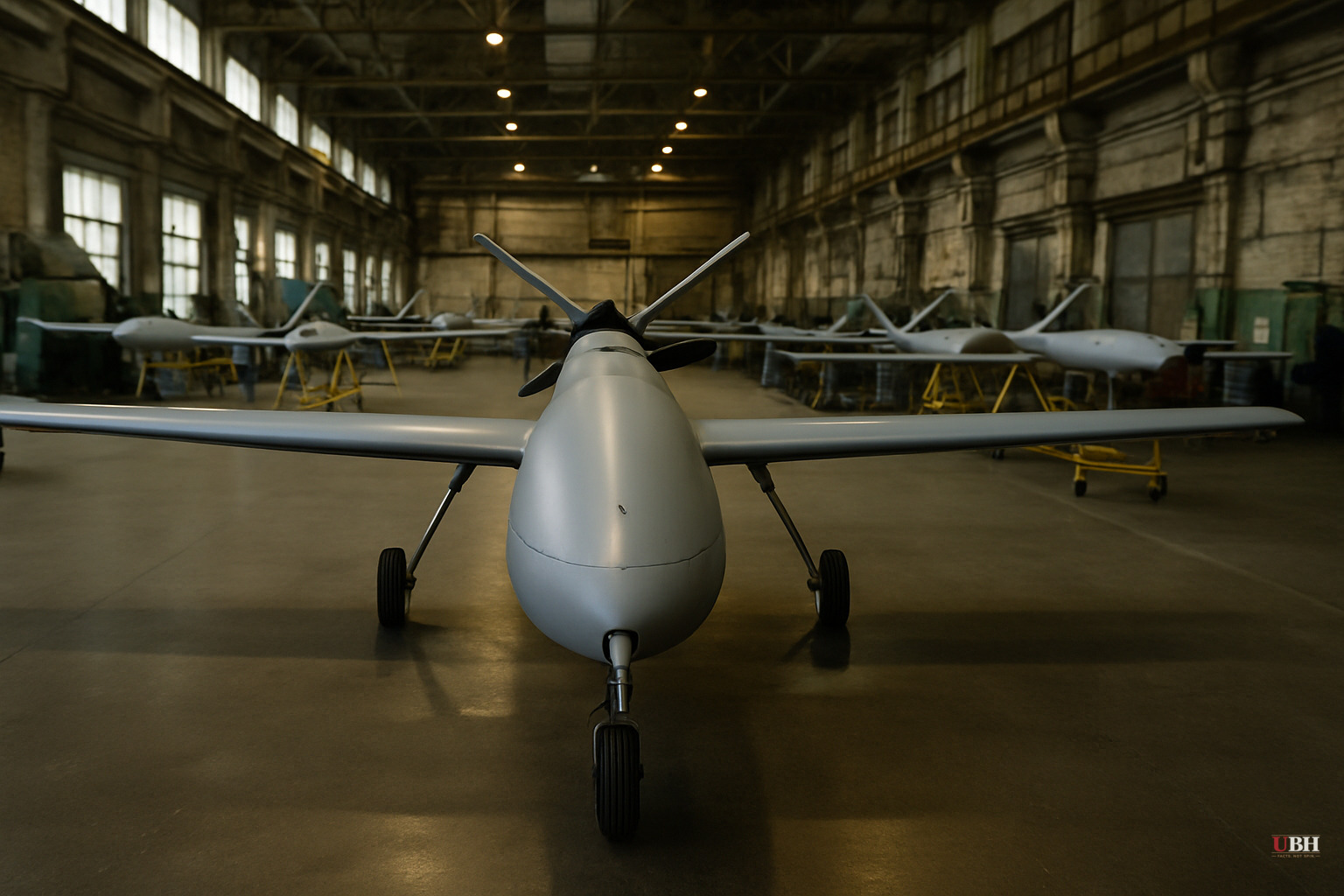
Since Ukraine's largest-ever drone assault on Moscow on June 18, which killed an eight-year-old girl in the Moscow region and injured 17 others, Kyiv has not let up. The June 22 attack was broader in geographic scope, though Moscow's mayor claimed his city escaped unscathed.
What Happened on June 22
City authorities in Moscow began logging downed drones at 3:02 a.m. local time. By 5:07 a.m., Mayor Sergei Sobyanin announced on Telegram that the last drone targeting the capital had been destroyed, according to Meduza. In total, Sobyanin reported 70 drones shot down on approach to Moscow. He reported 59 in the initial wave, then 11 more in a follow-up update. He reported zero casualties or confirmed structural damage inside the city.
Russia's Defense Ministry gave the national count: 301 Ukrainian drones intercepted overnight across the Belgorod, Bryansk, Volgograd, Voronezh, Kaluga, Kursk, Rostov, Tambov, Tver, Tula, and Smolensk regions, the Moscow region, Krasnodar Krai, occupied Crimea, and the waters of the Azov and Black Seas. ZeroHedge cited a broader figure of over 80 drones intercepted in the Moscow area alone in the past 24-hour window, which aligns with Sobyanin's combined reporting.
Airports Shut Down
All four of Moscow's major commercial airports — Sheremetyevo, Vnukovo, Domodedovo, and Zhukovsky — suspended arrivals and departures during the attack, according to both Meduza and The Moscow Times as cited by ZeroHedge. Flight restrictions were lifted by morning. Ukrainian official Anton Gerashchenko posted on social media that more than 150 flights were delayed or canceled during the closure.
The disruption hit one of the world's busiest airport systems at its most vulnerable overnight window. Russian civil aviation authorities gave no timeline for when stranded passengers would be rerouted.
Unconfirmed Strike Claims
Most damage assessments inside Russia are filtering through Telegram channels and social media, not official Russian government sources. Sky News reported that one post claimed a factory producing electronics for Russian missiles was struck in Voronezh, more than 100 miles from the Ukrainian border. That claim is unconfirmed by official sources on either side.
ZeroHedge reported that emergency services were dispatched to several Moscow-area neighborhoods due to drone debris fallout. Sobyanin's own Telegram posts acknowledged debris impacts without quantifying them.
Russia Hit Ukraine Too
The exchange was not one-directional. A Russian drone strike in Ukraine's northern Sumy region killed three members of one family, including a 13-year-old boy, according to Reuters as cited by ZeroHedge. President Volodymyr Zelensky responded publicly: "Yet today, Russia began this day not by honoring those who fell in World War II. Instead, it began with more completely unjustifiable killings."
The Strongest Counterargument
Critics of Ukraine's drone campaign, including voices skeptical of Western military support, argue that strikes deep into Russian civilian infrastructure, including attacks near populated Moscow suburbs, risk escalatory responses that endanger Ukrainian civilians more than they degrade Russian military capability. The Sumy deaths the same night are cited as evidence that Russia matches escalation with escalation, and that disrupting Moscow airport traffic does not translate into battlefield gains in Donbas, where Russian forces have continued to advance. That concern warrants a straight answer, and Ukraine hasn't fully provided one publicly.
The operational counter is that sustained pressure on Russian logistics, fuel infrastructure (as seen in the Kerch Strait strikes earlier this week), and war-economy targets forces Russia to divert air defense assets away from front-line positions. Whether the June 22 strike achieved that diversion is not yet established in the available sources.
Note on Source Differences
ZeroHedge cited "over 80 drones" intercepted in the Moscow area in a rolling 24-hour window, while Meduza's more granular reporting drawn directly from Sobyanin's Telegram put the Moscow-specific total at 70 (59 + 11). The discrepancy is minor and likely reflects different time windows. Meduza's timestamped sourcing is more precise here. The national 301-drone figure from Russia's Defense Ministry, cited by Meduza, is the most comprehensive available count, though Russian MoD tallies of intercepted Ukrainian drones have historically been unverifiable from independent sources.
What's Unresolved
Russia's Defense Ministry has not released damage assessments for the Voronezh strike or for debris impacts in the Moscow suburbs. Ukraine has not officially claimed the attack or specified targets. The 301-drone figure, if accurate, would make this one of the largest single-night drone operations of the war. Without independent verification of either the intercept count or ground damage, the actual military effect remains an open question as of June 23, 2026.
Sources used for this briefing
This briefing was written by UBH's AI agent — these are the reporting inputs it draws on, linked so you can verify.


