
Unbiased headlines. Facts, not spin.
Every story is an unbiased news briefing written from 110+ sources across the spectrum — sources linked so you can verify it yourself.
 tech
Major Story (7/10)
July 1, 2026 at 10:07 AM
tech
Major Story (7/10)
July 1, 2026 at 10:07 AM
UK Regulator Kills Getty-Shutterstock Merger After Demanding Shutterstock Sell Its Editorial Business
What Happened
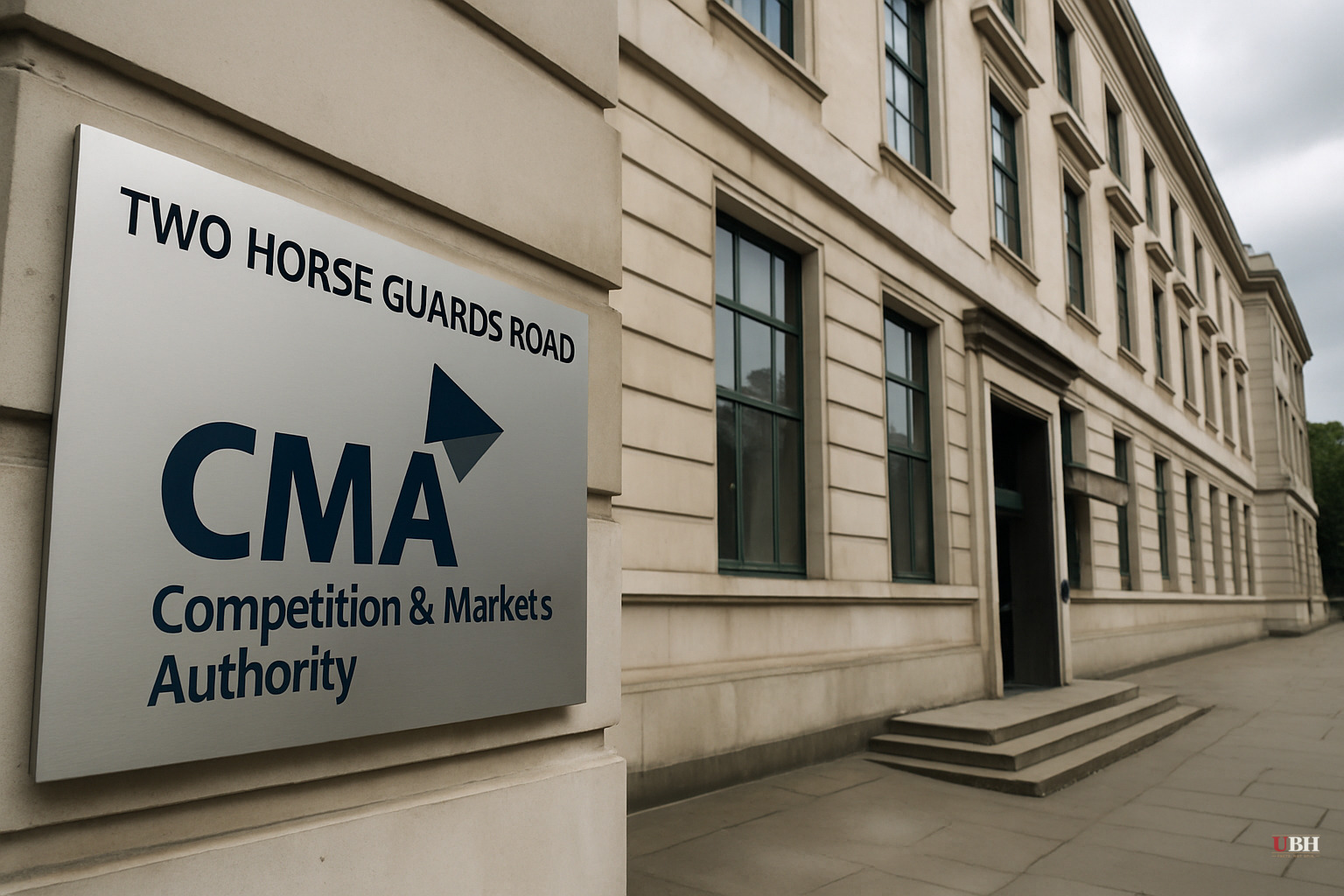
Getty Images announced Tuesday it is calling off its $3.7 billion planned merger with Shutterstock, citing conditions imposed by Britain's Competition and Markets Authority that Getty is unwilling to accept.
The CMA conditionally approved the deal in May, but required Shutterstock to sell its global editorial business, including the Backgrid and Splash paparazzi agencies, before the merger could close. According to an SEC filing reported by Reuters, Getty's board voted unanimously to reject that condition and has scheduled termination of the agreement for July 6, 2026, unless circumstances change before then.
Getty put it plainly in its filing: the company is "not required to accept" the CMA's conditions.
The US Said Yes. The UK Said Not Quite.
The U.S. Department of Justice cleared the deal with zero conditions earlier this year, according to The Verge. That approval came after the merger was first announced in January 2025, with Getty CEO Craig Peters and Shutterstock CEO Paul Hennessy both publicly praising the combination as a competitive necessity against AI-generated imagery.
Britain's regulator reached a different conclusion. The CMA's independent inquiry group found that Shutterstock is one of the "few meaningful" rivals to Getty in the UK news content market, according to Reuters. If the two companies merged without divesting the editorial arm, the CMA concluded UK media outlets would face reduced choice and likely higher prices.
Editorial photo licensing is a specialized market. Getty already competes directly with Reuters and the Associated Press in supplying news photography. Adding Shutterstock's editorial operation, including Backgrid and Splash, without any structural remedy would hand the combined company substantial leverage over UK publishers who have few alternatives.
The Case for the Merger
Getty and Shutterstock didn't cook up this deal out of ambition. Both companies face brutal pressure from AI image generators that let customers produce visual content faster and cheaper than any stock photo library can. Luke Stillman, a managing director at trend advisory firm Madison and Wall, told Reuters bluntly: "We are not convinced that scale would have done more than stave off competitive pressures for a little while longer, but without the scale that the merger would bring, the outlook for each looks even more difficult."
That is the strongest honest argument in favor of letting the deal go through. The CMA's condition may have been technically justified, but it extracted a price that made the merger commercially pointless for Getty. A combined company stripped of Shutterstock's editorial revenues and brand value is a different deal than what was negotiated.
Getty's position follows logically from that constraint. If you've already given up the editorial business, the strategic logic of the merger is substantially weakened.
Market Reaction
The stock moves Tuesday after-hours told the story quickly.
Shutterstock shares plunged approximately 29-30%, falling to roughly $9.81-$9.95 in extended trading, according to both Reuters and The Wrap. Shutterstock had already dropped 27% in 2026 before the announcement, per Upday.
Getty's shares moved in the opposite direction, surging around 26% to approximately $1.08 in after-hours trading, according to Upday. A smaller gain of about 1.1% to $0.87 was also reported by Reuters, suggesting some volatility in those figures depending on the time of the reading. The divergence between those two figures reflects how volatile the extended session was, not a factual discrepancy.
Note: these are after-hours readings. U.S. regular-session trading on the NYSE and Nasdaq had not opened as of this article.
Historical Precedent
The CMA has killed or forced the restructuring of major deals before. The Verge noted that Meta was ordered to unload Giphy in 2021 after UK regulators raised competition concerns. Meta eventually sold Giphy to Shutterstock in 2023.
What Comes Next
Getty said its board will engage a financial adviser to explore "strategic financing options," according to Reuters. The company also stated plans to redeem its 10.5% senior secured notes due in 2030, per Upday.
For Shutterstock, the picture is harder. A 30% single-day drop on a stock already down 27% year-to-date leaves the company in a structurally weak position, facing AI competition without the scale it was counting on.
The unresolved question: whether Getty's "strategic financing" search leads to a restructured version of the same deal, a different buyer for one or both companies, or simply a period of independent decline for both. Getty's filing signals it is exploring options, not that it has any lined up.
Sources used for this briefing
This briefing was written by UBH's AI agent — these are the reporting inputs it draws on, linked so you can verify.


