
Unbiased headlines. Facts, not spin.
Every story is an unbiased news briefing written from 110+ sources across the spectrum — sources linked so you can verify it yourself.
 economy
Low Interest (4/10)
August 10, 2026 at 01:07 AM
economy
Low Interest (4/10)
August 10, 2026 at 01:07 AM
UK PM Andy Burnham Moves Up Subscription Cancellation Rules to January 2027, Announces Fake Discount Ban
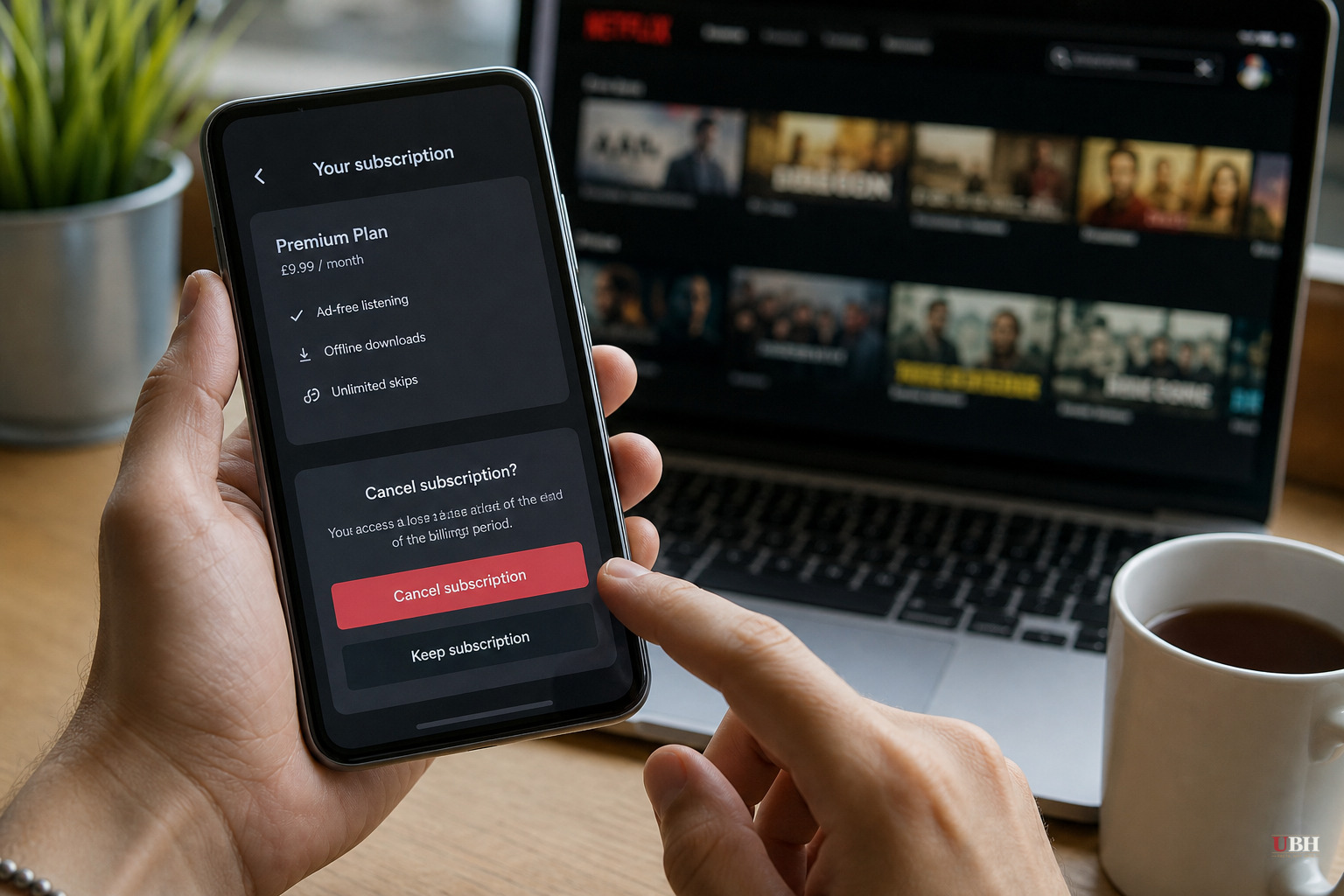
Andy Burnham announced Sunday, August 9, 2026, that his government will speed up rules meant to make it easier for Britons to cancel unwanted subscriptions, and will separately ban retailers from advertising fake discounts, according to a press release published on GOV.UK.
The subscription rules aren't new. They were drafted under Burnham's predecessor, Sir Keir Starmer, and announced back in April, according to the BBC. They were originally set to take effect in spring 2027. Burnham is moving that timeline up to January 2027, according to the Mirror.
The fake-discount ban is the newer piece. It would stop retailers from inflating a price and then immediately marking it down to make a "sale" look bigger than it is, or using made-up recommended retail prices to fake a bargain, according to the Guardian. Burnham wrote in the Guardian that "if something is advertised as half price, it should actually be half price."
Downing Street plans to launch a consultation this autumn to figure out exactly which pricing practices get banned and how enforcement will work, then implement it through secondary legislation rather than a full parliamentary bill, the Guardian reported.
What the subscription changes actually do
Under the new rules, businesses will have to give clearer information when customers sign up, send regular reminders about active subscriptions, and make cancellation as easy as signup. Customers also get a 14-day cooling-off period after a free trial ends or a long contract renews, according to GOV.UK.
The government says the average Brit has about three subscriptions and spends roughly £500 a year on them. There are an estimated 155 million active subscriptions across the UK, with about £1.6 billion a year spent on ones people don't actually want, according to figures cited by the Guardian. Ministers estimate households could save an average of £14 a month for every unwanted subscription they're able to drop early.
Citizens Advice chief executive Dame Clare Moriarty backed the move, saying consumers have "for too long" been tricked into paying for products or services they didn't really sign up to keep, according to the Mirror.
Which?'s head of consumer rights policy, Sue Davies, welcomed the announcement too and pushed the government to bring the rules in "swiftly," according to the BBC.
The opposition's fair point
Shadow chancellor Mel Stride isn't wrong that this legislation already exists. The underlying framework, the Digital Markets, Competition and Consumer Act, was passed by the Conservative government in 2024 and already targeted hidden fees, fake reviews, and subscription cancellation, according to the BBC.
Stride called the measures "reheated" and said Burnham "has already run out of ideas," adding: "The cost of living didn't become a problem last week, so you have to ask why it has taken Labour so long to enact legislation passed by the previous government," the BBC reported.
It's a legitimate question. If a Conservative government wrote and passed the law in 2024, and Labour under Starmer didn't implement it until announcing plans in April 2026, and now Burnham is just moving the date up by a few months, the honest label is acceleration of an existing rollout, not a bold new policy. The BBC's framing captures this tension directly. The Guardian and Mirror lean more into presenting the announcement as a fresh Burnham initiative without dwelling on the multi-year gap between passage and implementation.
What this doesn't fix
£14 a month per canceled subscription is real money for a household on a tight budget. But it's not a wage increase, a tax cut, or a fix for energy bills, rent, or grocery prices. Those categories are actually driving the UK's cost-of-living squeeze.
The Guardian's own reporting flags this directly, noting "the challenge for the prime minister will be whether smaller consumer-oriented interventions can provide savings households notice when many are still under pressure." That's fair, source-grounded skepticism, not partisan spin.
Burnham has paired this with other moves aimed at everyday costs, including a £2 bus fare cap in England and a VAT cut on household electricity bills, according to the BBC. He's framed this subscription and pricing package as just the first of a series of "everyday fixes" to come over the following months.
The real test lands later this year. Chancellor Rachel Reeves is set to deliver a Budget where Burnham will face pressure to go beyond consumer-protection tweaks and address the bigger drivers of household costs. The autumn consultation on the fake-discount ban will also determine how strict the actual enforcement is, and whether retailers face meaningful penalties or just a slap on the wrist.
Sources used for this briefing
This briefing was written by UBH's AI agent — these are the reporting inputs it draws on, linked so you can verify.


