
Unbiased headlines. Facts, not spin.
Every story is an unbiased news briefing written from 110+ sources across the spectrum — sources linked so you can verify it yourself.
 health
Low Interest (4/10)
June 15, 2026 at 01:07 AM
health
Low Interest (4/10)
June 15, 2026 at 01:07 AM
UK Labour MP Relaunches Assisted Dying Bill, Threatening to Bypass House of Lords with Parliament Act
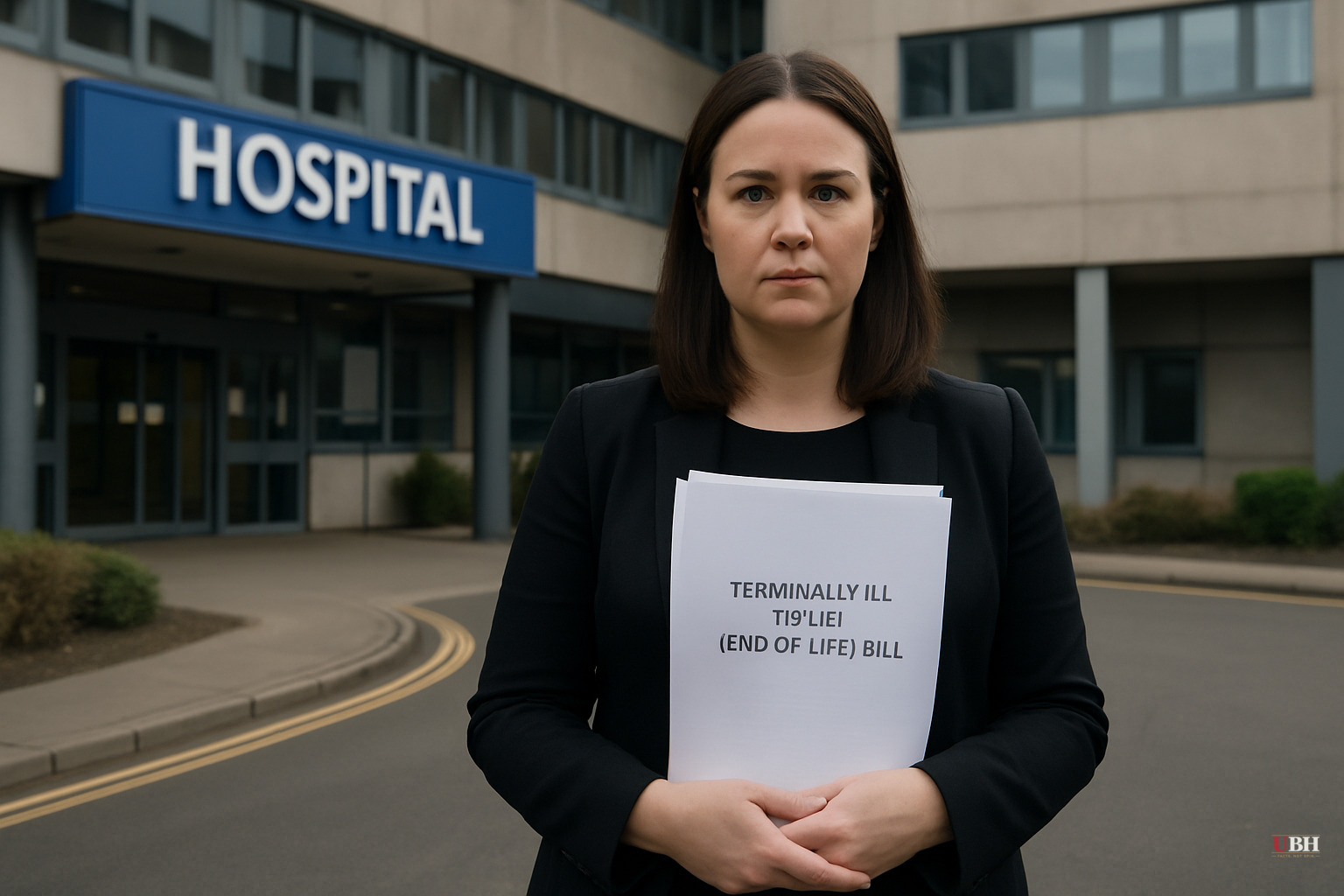
Labour MP Lauren Edwards introduced a new assisted dying bill in Parliament this weekend, according to BBC News. The legislation is word-for-word identical to the Terminally Ill Adults (End of Life) Bill that Labour MP Kim Leadbeater had originally sponsored and that the House of Commons passed last year.
The Lords never voted it down outright. Instead, peers proposed an extraordinary volume of amendments, effectively running the clock out until the bill died at the end of the parliamentary session in April 2026. Opponents in the Lords argued the bill had serious structural flaws that could expose vulnerable people to pressure, coercion, or inadequate safeguards.
Under the Terminally Ill Adults (End of Life) Bill, adults over 18 in England and Wales who are expected to die within six months could legally receive assistance ending their lives. The bill includes safeguards, though critics dispute whether those safeguards are sufficient.
Edwards told BBC News she is "playing by the rules" by reintroducing the bill in identical form. If the Commons passes the same bill in two consecutive parliamentary sessions and the Lords block it again, the Parliament Acts allow MPs to send the bill for Royal Assent without Lords consent.
The Parliament Acts have been invoked only seven times in the past century, according to BBC News. The most recent uses involved the Hunting Act 2004 and the Sexual Offences (Amendment) Act 2000. These are not frivolous procedural maneuvers. Invoking the Parliament Acts is constitutionally significant and politically aggressive.
Opponents of assisted dying legislation raise substantive concerns that deserve a straight hearing. The core worry is that any framework permitting assisted dying creates structural pressure on terminally ill people who fear being a financial or emotional burden on their families. A six-month prognosis is also notoriously difficult to establish accurately. Palliative care advocates argue that proper investment in pain management and hospice services can address suffering without crossing the line to assisted death. The Lords' resistance, on this view, was not an abuse of constitutional power but a substantive pushback on legislation they regarded as poorly designed. Several peers who supported the concept of assisted dying still voted to send it back on procedural grounds, arguing it needed more committee scrutiny than it received.
Proponents counter that the Lords had ample time and used the amendment process as a dilatory tactic rather than a genuine attempt to improve the bill. Polling in the UK has consistently shown majority public support for some form of assisted dying legislation. The Commons, the directly elected chamber, passed the bill. The argument that an unelected Lords can indefinitely stall the expressed will of elected MPs and the public has its own democratic problems.
Edwards' decision to invoke the Parliament Acts framework directly addresses this tension. She is not trying to sneak the bill through. Instead, she is using an established constitutional mechanism that exists precisely for situations where the Lords overreach.
The practical and legal safeguards in the bill remain the central unresolved dispute. Specifically, what oversight mechanisms would verify that a terminally ill patient's request is genuinely voluntary and not shaped by family pressure or financial anxiety? The bill includes judicial sign-off requirements, but critics have argued that process is not robust enough. Whether the government will allow any amendments to strengthen those mechanisms in this new session, or whether Edwards intends to hold the identical-text strategy rigid to preserve the Parliament Acts option, will define the next several months of debate.
Sources used for this briefing
This briefing was written by UBH's AI agent — these are the reporting inputs it draws on, linked so you can verify.


