
Unbiased headlines. Facts, not spin.
Every story is an unbiased news briefing written from 110+ sources across the spectrum — sources linked so you can verify it yourself.
 economy
Low Interest (4/10)
July 3, 2026 at 02:47 PM
economy
Low Interest (4/10)
July 3, 2026 at 02:47 PM
UK Kebab Maker Fined £500,000 After Selling Goat, Skin, and Fat Labeled as Lamb for Years
What the Tests Found
In late 2020 and early 2021, Swansea Council's trading standards team began routine DNA testing of doner kebabs sold at takeaways across the city. What they found was a mismatch that eventually unraveled a national supply chain fraud.
Kebabs labeled as "70% lamb" were coming back as "less than 10% sheep," according to BBC News. Products labeled as high as 87% lamb were found to contain just 51% meat of any kind, with 40% fat making up most of the rest, according to Swansea Bay News.
What Was Actually in the Factory
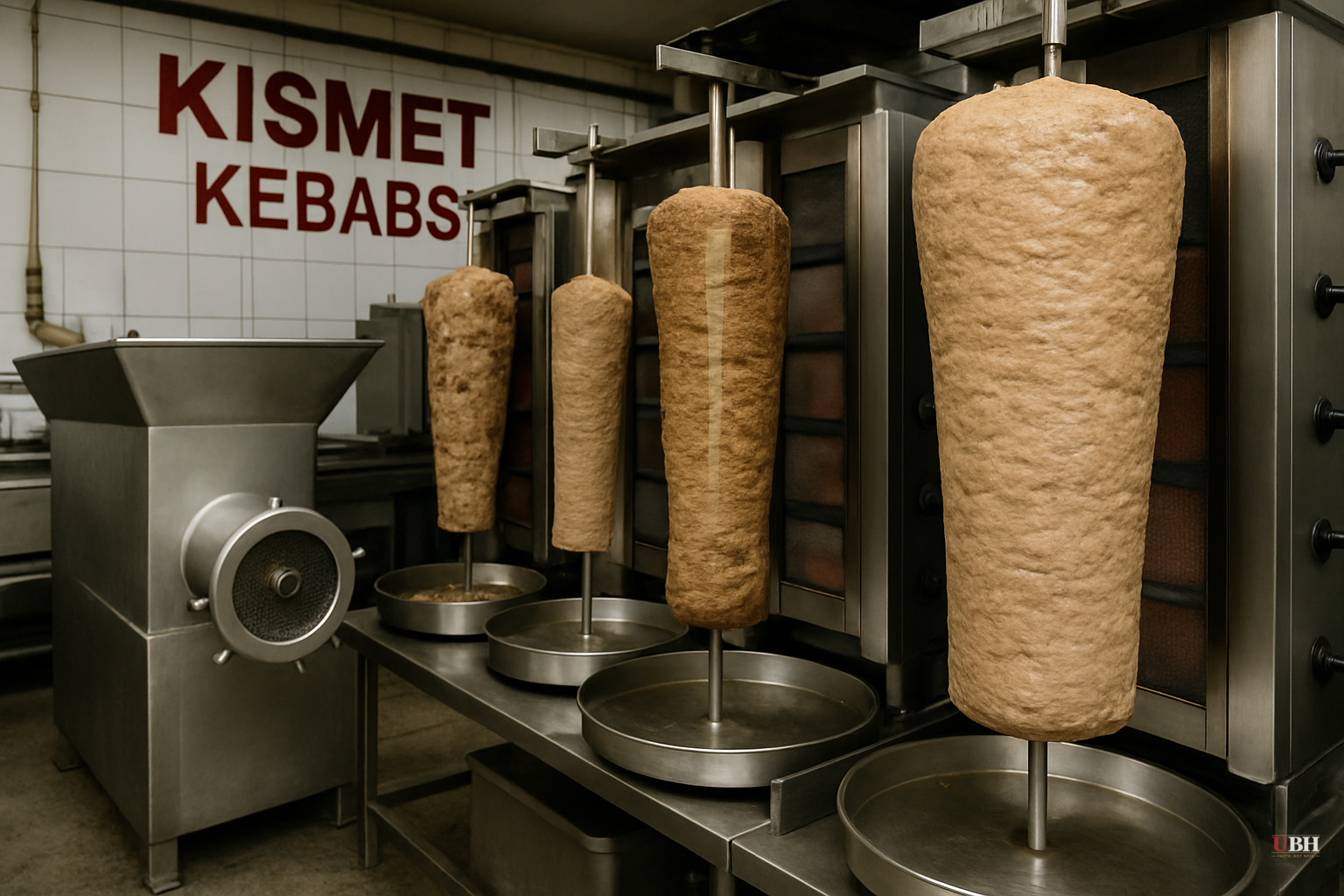
A multi-agency team visited Kismet's factory in Latchingdon, near Chelmsford, in May 2021. Swansea trading standards officer Rhys Harries described what they found.
"We didn't see any lamb apart from lamb fat," Harries told BBC News. "There were pallets of goat, pallets of trim, offcuts with high fat content, boxes of fat, boxes of skin, bits of mutton. It all goes into a massive mincer and comes out looking like Play-Doh."
Recipe cards used by factory workers listed goat, beef fat, and chicken drumsticks under what were supposed to be lamb recipes. The court heard that Kismet also produced mechanically derived meat made up predominantly of neck trim, mutton trim, water, and ice, which was then counted toward the declared meat content of labeled products, according to Swansea Bay News.
On at least one production line, investigators found the same trays of doner meat being divided into two different packets. One was labeled "70% lamb," one labeled "50% lamb," with no difference in what was inside, according to BBC News.
The Court's Verdict
Kismet Kebabs pleaded guilty to fraud by false representation and was sentenced at Swansea Crown Court on June 5. Judge Huw Rees said the company had engaged in "considerable dishonesty" over a prolonged period.
Prosecutors called it "organised, planned, unlawful activity" that misled wholesalers, retailers, and consumers across the UK, according to Swansea Bay News. Sentencing guidelines for a firm Kismet's size pointed to a fine of between £15 million and £24 million, the court heard, but that range was described as "wholly unrealistic" as it would put the company out of business.
The final fine was £500,000, plus £259,298.67 in prosecution costs, with four years to pay. At an estimated £6 million in fraud revenue, the combined penalty represents less than 13% of what the company allegedly made from the deception.
Kismet's Response
Kismet Kebabs acknowledged the conviction but distanced current leadership from it. The company said the fraud related to "historical events" over five years ago when it "operated under a different leadership structure." Corporate ownership and management do change, and courts heard the defense before issuing their ruling.
The fraud was already underway by at least 2020, when routine DNA testing first detected the mislabeling, and invoices introduced as evidence showed the company was purchasing very little lamb while buying "a large volume of skin, fat, goat" throughout the production period, according to Harries.
A Warning Flag That Was Already There
Essex County Council, Kismet's own local authority, had previously received complaints from councils around England about the company's labeling and meat content. Essex terminated its formal partnership with Kismet over what Swansea Bay News described as "a lack of cooperation and serious labelling and potential public health issues found during a factory audit." That detail didn't stop the fraud from continuing.
The Horsemeat Comparison
Harries drew a direct comparison to the 2013 horsemeat scandal, in which DNA testing found horsemeat in European beef products and triggered widespread product recalls. "It's almost the same as the horsemeat scandal, because of the volume of product that was going out of this factory," he told BBC News.
Kismet described itself as producing over 100 tons of kebab products per week, making the scale of mislabeling substantial. The distribution reached fast food outlets across the UK.
The Legitimate Concern About the Fine
Some consumer advocates argue that a £500,000 fine against £6 million in estimated fraud proceeds is a weak deterrent. The sentencing guidelines themselves pointed to fines ten to twenty times larger. If the answer to corporate food fraud is a penalty capped by the company's ability to stay open, the incentive structure for future fraudsters remains weak. The judge and prosecutors were constrained by insolvency practicalities, but the gap between guidelines and outcome is documented.
What Remains Open
Swansea Bay News reported that the court was told defense arguments about the company's finances before the reduced fine was set, but the published sources do not detail what audits or financial disclosures were required as conditions of the reduced penalty. Whether Kismet faces ongoing regulatory monitoring, mandatory third-party ingredient verification, or any additional Food Standards Agency oversight going forward has not been publicly established as of July 3, 2026.
Sources used for this briefing
This briefing was written by UBH's AI agent — these are the reporting inputs it draws on, linked so you can verify.


