
Original briefings. Zero spin.
Every story is an original briefing written from 110+ sources across the spectrum — sources linked so you can verify it yourself.
 economy
Notable (6/10)
August 19, 2026 at 03:19 PM
economy
Notable (6/10)
August 19, 2026 at 03:19 PM
UK Inflation Hits 2.9% in July as Energy Bills Jump 13% Under New Ofgem Cap
British households got hit with another energy bill spike, and it's showing up everywhere. UK inflation rose to 2.9% in the year to July, up from 2.6% in June, according to the Office for National Statistics. That's the highest reading since March.
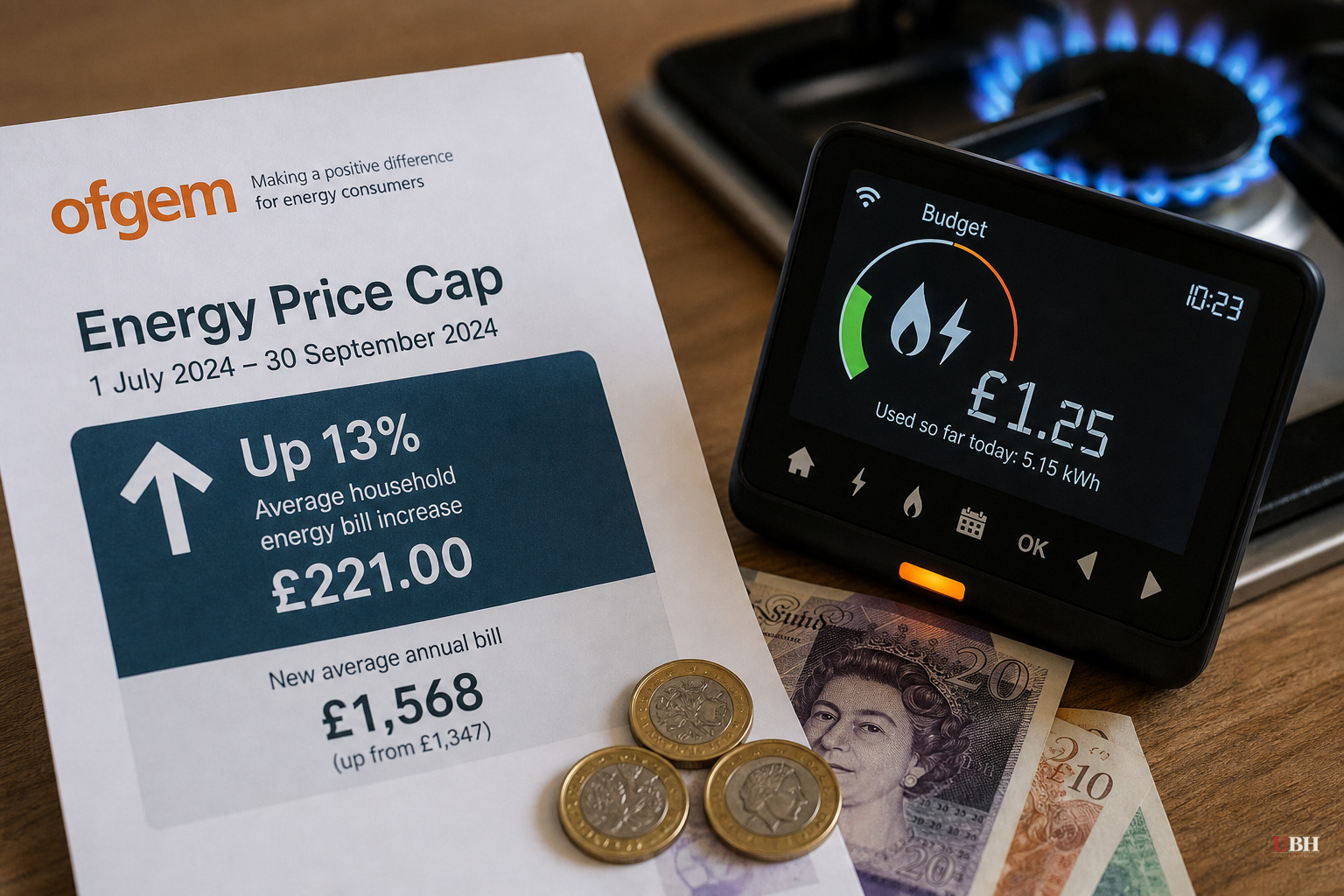
The main driver is Ofgem, Britain's energy regulator, which raised its quarterly price cap on gas and electricity by 13% starting July 1. That added £221 a year to the typical household bill, according to the BBC. Gas prices soared at the sharpest pace in almost four years, the ONS said.
The trigger goes back to the Middle East. Energy costs surged after the US-Israel war with Iran began, which has restricted global oil supplies and led to effective closures of the Strait of Hormuz, a critical passage for oil and liquefied natural gas shipments, according to the BBC. Cornwall Insight, an independent energy consultancy, said the heatwave across Europe made things worse by driving up gas demand for air conditioning and power generation.
Cornwall Insight forecasts household energy bills will rise another 4% in October, which would push them to the highest level since July 2023.
Where the rest of the inflation number came from
Energy wasn't the only factor. Services inflation, which the Bank of England watches closely as a gauge of domestic price pressure, actually eased slightly to 3.4% from 3.6%, according to The Straits Times. But within that category, rents on housing rose 4.1% in July, up from 3.4% in June. Internet services inflation hit 12.1%. Car insurance rose 8.4%. Mobile phone service costs jumped 9%, according to Euronews.
Sarah Coles, head of personal finance at AJ Bell, told Euronews that service industries are labor-intensive and rely heavily on minimum-wage workers in care homes, hospitality, and childcare. As the minimum wage rises and employer National Insurance contributions go up, businesses pass those costs on to customers, she said. Coles also pointed to rising mortgage rates and stricter landlord regulations as reasons rents are climbing.
Food inflation, meanwhile, is actually a bright spot. It came in at 1.3% in July, its lowest rate in nearly five years, down from 1.7% the previous month, according to The Guardian.
Political reaction split down predictable lines
Chancellor John Healey said the Iran war was continuing to affect prices in the UK, but insisted Britain's economy was resilient, according to the BBC. "We have cut VAT on electricity bills and capped bus fares at £2 - to give breathing space to those feeling the strain," he said.
Shadow Chancellor Mel Stride pushed back hard, saying the country was unprepared for global shocks because of what he called Labour's "mismanagement," leaving ordinary people "paying the price," according to the BBC.
Penny Keevil, who founded Second Chance Medway, a crisis support center running a discounted food pantry twice a week, told the BBC the cost-of-living crisis "is here to stay." She said her services now reach "every part of the community," not just those on benefits.
TUC General Secretary Paul Nowak framed it differently, telling The Guardian that with "no end in sight to Trump's illegal war in Iran," the government will need to do more to support households in the coming months. That's a strong claim about the legality of the conflict that reflects Nowak's own political judgment, not an established legal finding, and readers should treat it as his opinion rather than settled fact.
Interest rates and what comes next
Core inflation, which strips out energy and food, held steady at 2.6%, according to The Straits Times. That's the number the Bank of England leans on most, and it suggests wage-price spirals aren't yet taking hold. The Guardian noted that Tuesday's jobs data showed wage growth actually slowing, which cuts against fears of workers bidding up pay to chase inflation.
Because of that, most analysts don't expect the Bank of England to shift its 3.75% interest rate at its next meeting in September. Jonathan Raymond, an investment manager at Quilter Cheviot, told Euronews that inflation is "expected to moderate in the coming months" as government measures like the VAT cut work through the system, but not fast enough for the Bank of England to start considering rate cuts anytime soon.
The bigger question is whether the ceasefire in the Middle East holds. The Guardian noted that fuel prices had briefly eased after Donald Trump announced a "memorandum of understanding" with Iran in June, only to rise again in recent weeks as hopes for a lasting resolution faded. If the conflict escalates again, the next Ofgem price cap review will tell households in Great Britain whether their bills climb well past that projected 4% October increase, or worse.
Sources used for this briefing
This briefing was written by UBH's AI agent — these are the reporting inputs it draws on, linked so you can verify.


