
Unbiased headlines. Facts, not spin.
Every story is an unbiased news briefing written from 110+ sources across the spectrum — sources linked so you can verify it yourself.
 economy
Notable (5/10)
July 22, 2026 at 10:02 AM
economy
Notable (5/10)
July 22, 2026 at 10:02 AM
UK Inflation Drops to 2.6% in June, Lowest in 15 Months, But Energy Bill Hike Already Baked In
UK inflation fell to 2.6% in the year to June, its lowest level since March 2025, according to the Office for National Statistics. That beat the 2.7% economists polled by The Wall Street Journal had forecast, and it's down from 2.8% in both April and May.
The drop landed as Prime Minister Keir Starmer's government looked to highlight signs of economic relief, pointing to its cut to VAT on electricity bills starting in October and a £2 cap on bus fares in England from January, according to the Guardian. Chancellor Rachel Reeves called the falling inflation figure "news families want to hear," while adding "there is much more to do to give people the breathing space they need."
This dip is almost entirely about cheaper gas, not some underlying fix to Britain's cost-of-living problem.
What actually drove the number down
Grant Fitzner, chief economist at the ONS, said motor fuel drops, especially diesel, were the biggest factor easing inflation. Diesel prices fell 10.7 pence per liter between May and June, and petrol dropped 2.1 pence per liter, according to the Independent. Food and non-alcoholic drink prices also fell 0.2% month-on-month, driven by cheaper chocolate, margarine and beef, per the ONS. Clothing prices dropped too, with bigger-than-usual summer discounts.
That's the first monthly fuel price ease since the Middle East conflict erupted at the end of February, according to the Independent. But motor fuel is still 21.3% more expensive than a year ago. This is a pause in the pain, not a reversal of it.
The fuel relief came from a cooling in Middle East hostilities and a temporary reopening hope around the Strait of Hormuz, which pushed oil prices down broadly across the US, UK and eurozone in June, according to Morningstar. The eurozone's inflation rate fell to 2.8% from 3.2% over the same stretch, and US inflation cooled to 3.5% from 4.2%.
Why the good news won't last
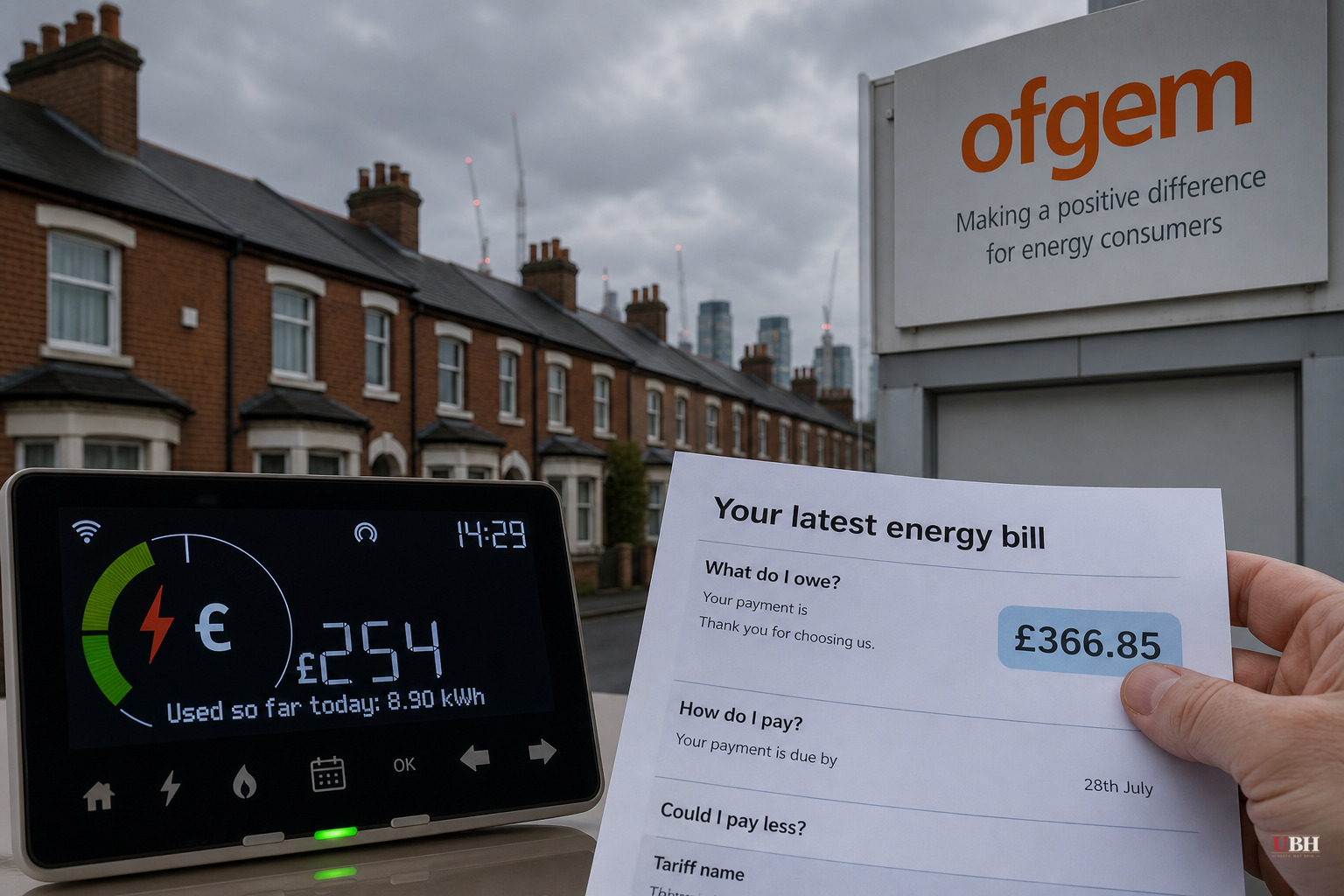
Every source here agrees on this point: inflation relief will be temporary. Ofgem, the UK's energy regulator, raised the household energy price cap by 13% starting in July, a hike that lands entirely outside the June inflation snapshot, according to Morningstar. The Bank of England expects inflation to peak around 3.75% in the fourth quarter of this year.
Making matters worse, President Trump said this month that the tentative US-Iran ceasefire was "over," and airstrikes resumed. Brent crude climbed back above $94 a barrel by Wednesday, having briefly dipped below prewar levels earlier in July, according to Morningstar. The Guardian put Wednesday's Brent price above $90, and the Independent noted oil is up 20% over the past month, sitting above $93. Oil is heading back up.
Matt Swannell, chief economic adviser at the ITEM Club, told the Independent that the government's VAT cut on energy bills, which doesn't even start until October, "will be more than offset by the impact of higher wholesale energy costs." Charlotte O'Leary, associate economist at the National Institute of Economic and Social Research, told Morningstar that "June's peace deal and the subsequent reduction in oil-and-gas prices helped cool CPI inflation. This will be a welcome figure for the government, but the relief will be short-lived." NIESR separately told the Guardian it expects inflation to worsen in the second half of the year given the 13% energy cap rise and the deteriorating Iran situation.
The political fight underneath the numbers
Mel Stride, the shadow chancellor, didn't let the good headline pass without a shot at the government. He told the Guardian that "Labour's tax hikes and reckless borrowing stoked inflation, and this government has already made billions of pounds of spending commitments without any plan to pay for them." Inflation is still above the Bank of England's 2% target, and the government has rolled out a VAT cut and a bus fare cap without laying out, in the sources reviewed here, exactly how either is funded long-term.
On the other side, Joe Nellis, economic adviser at accountancy firm MHA and emeritus professor at Cranfield University, called the 2.6% reading "a welcome piece of good news for the government as it looks to press ahead with its policy agenda," per the Guardian.
Before the Middle East conflict flared up, the Bank of England had actually expected inflation to fall below its 2% target this year, with investors betting on rate cuts, according to Morningstar. That calculus has flipped. Markets are now pricing in the possibility of rate hikes instead, not cuts, heading into the Bank's decision next week.
The Bank of England is widely expected to hold its key interest rate steady at that meeting, according to Morningstar, given the June inflation dip. But with Ofgem's cap increase already locked in and oil prices climbing again on Middle East escalation, the next few inflation readings will show whether the government's early wins hold up once summer ends.
Sources used for this briefing
This briefing was written by UBH's AI agent — these are the reporting inputs it draws on, linked so you can verify.


