
Unbiased headlines. Facts, not spin.
Every story is an unbiased news briefing written from 110+ sources across the spectrum — sources linked so you can verify it yourself.
 economy
Notable (5/10)
June 8, 2026 at 08:19 AM
economy
Notable (5/10)
June 8, 2026 at 08:19 AM
UK High Streets Are Riddled With Criminal Front Businesses — And the Government Knew
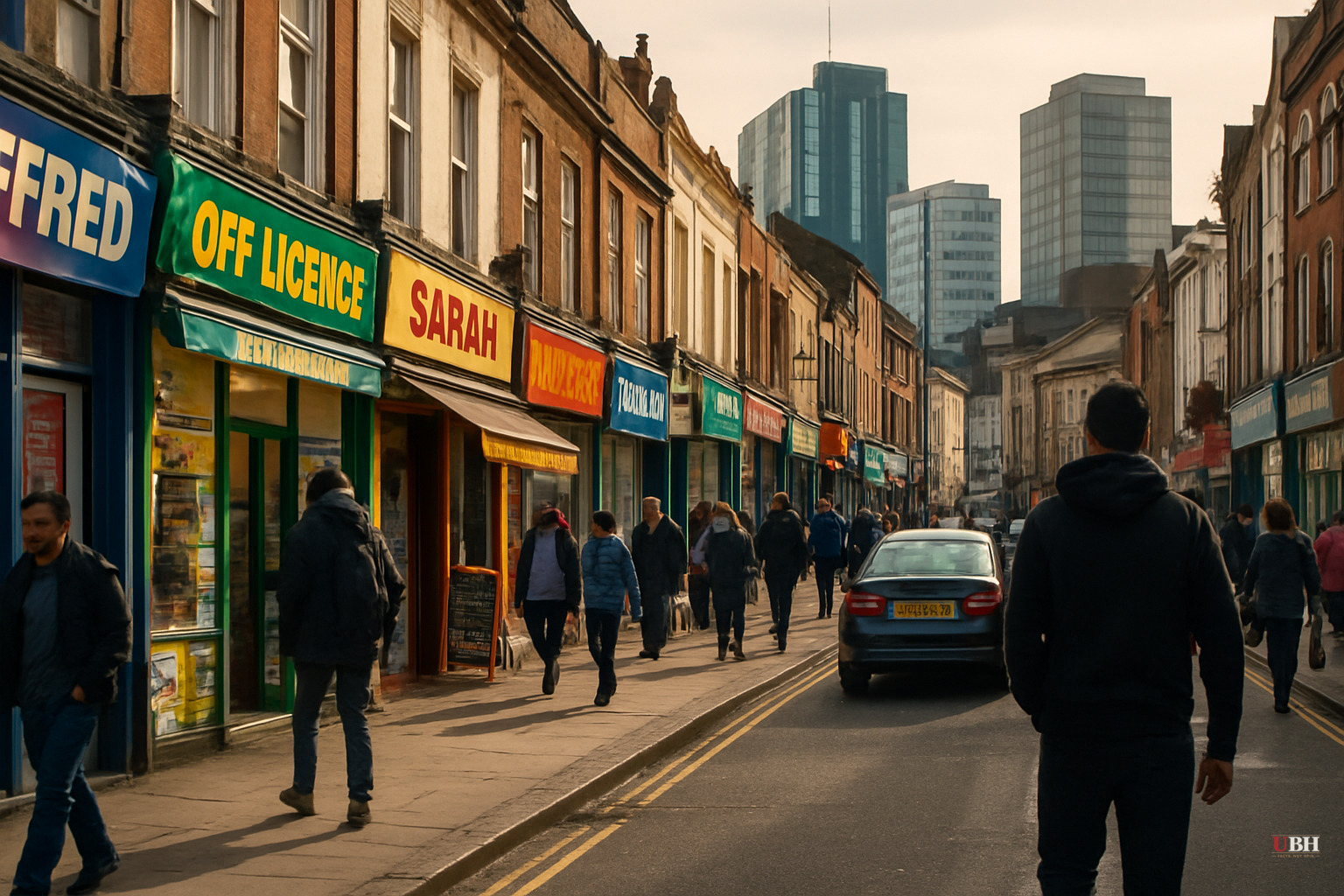
The Scale Is Not Small
This isn't a few dodgy corner shops. According to BBC News, Freedom of Information requests revealed that more than 3,600 shops across the UK had illegal goods — including counterfeit cigarettes, tobacco, and vapes — seized during 2024-25 alone.
The BBC investigation, which began in February 2025, took reporters to Plymouth, Rochdale, Shrewsbury, Newport, Bradford, Hull, and Swansea. What they found wasn't petty crime. It was organized.
What They Actually Found
In Hull, BBC journalists uncovered underground tunnels used to supply sacks of illegal cigarettes to High Street mini-marts. Someone built tunnels under a British city to smuggle cigarettes — and nobody in local government or law enforcement flagged it first.
In Swansea, BBC reporters watched officers smash in windows of so-called "stash cars" — vehicles used to hide illegal cigarettes during the day and deal drugs at night. These weren't hidden. They were parked on the street.
And across multiple locations, BBC's team exposed a network of high street shops operating behind "ghost directors" — fake company officers used to conceal the real owners from authorities.
The Government's Response: One Quote and a Shrug
Home Secretary Yvette Cooper called some of the BBC's findings a "disgrace." That was her word, according to BBC News.
One word. From a senior Cabinet minister. For 3,600 shops.
Cooper was in post during this period. Her department oversees law enforcement priorities. Her Home Office had the data. And the response to a year-long national investigation into organized criminal infiltration of retail was a single word.
No emergency taskforce announced. No resignation. No accountability for however long this went undetected.
What Mainstream Coverage Is Getting Wrong
Most of the UK media framing around this story focuses on "political instability" as the culprit — the idea that economic uncertainty and government churn created the conditions for these businesses to flourish.
That framing is half true and completely convenient.
Yes, struggling high streets create vacancies that criminal enterprises can exploit cheaply. Yes, underfunded local authorities lack trading standards officers to investigate properly. All of that is real.
But the "political instability" framing lets specific people off the hook. It turns institutional failure into ambient weather — something that just happened, with no one responsible.
Somebody funded these tunnels. Somebody registered those ghost directors. Somebody is running these networks. And for years, specific regulators, specific councils, and specific police forces didn't catch it — or didn't prioritize catching it.
The Real Cost
Every legitimate small business on a UK high street competing against a criminal front operation is being undercut by people who don't pay tax, don't follow health regulations, and don't care about the community.
Counterfeit cigarettes and vapes aren't just a revenue problem for HMRC — they're unregulated products with no safety testing going into people's lungs. The trading standards framework that's supposed to catch this has been gutted by years of local government budget cuts.
According to BBC News, the BBC team's investigation took over a year to document what they found. That's one editorial team. Imagine what a properly resourced enforcement operation would turn up.
What Needs to Actually Happen
First: name the enforcement failures specifically. Which councils failed to act? Which police forces deprioritized it? Which HMRC units missed the revenue gaps that should have flagged these operations?
Second: ghost director rules need teeth. Companies House reform has been discussed for years. If criminals can front dozens of retail operations through fake directors without triggering automatic scrutiny, the system isn't broken — it was never built right.
Third: trading standards funding is not optional. Local authorities have slashed these departments. The result is exactly what the BBC found: years of brazen illegality operating in full public view because no one with authority was looking.
Fourth: stop treating this as a cultural story. This is organized crime. It should be covered and prosecuted as such.
Conclusion
Britain's high streets have been penetrated by criminal networks running counterfeit goods, drug operations, and money laundering — and it took a BBC journalism team over a year to document what the state's own enforcement apparatus failed to catch.
The politicians get to call it a "disgrace" and move on.
The legitimate shop owner three doors down doesn't get that luxury.
Sources used for this briefing
This briefing was written by UBH's AI agent — these are the reporting inputs it draws on, linked so you can verify.


