
Unbiased headlines. Facts, not spin.
Every story is an unbiased news briefing written from 110+ sources across the spectrum — sources linked so you can verify it yourself.
 economy
Major Story (7/10)
July 16, 2026 at 09:36 AM
economy
Major Story (7/10)
July 16, 2026 at 09:36 AM
UK Government Nationalizes British Steel, Taxpayers Now Own the Scunthorpe Plant
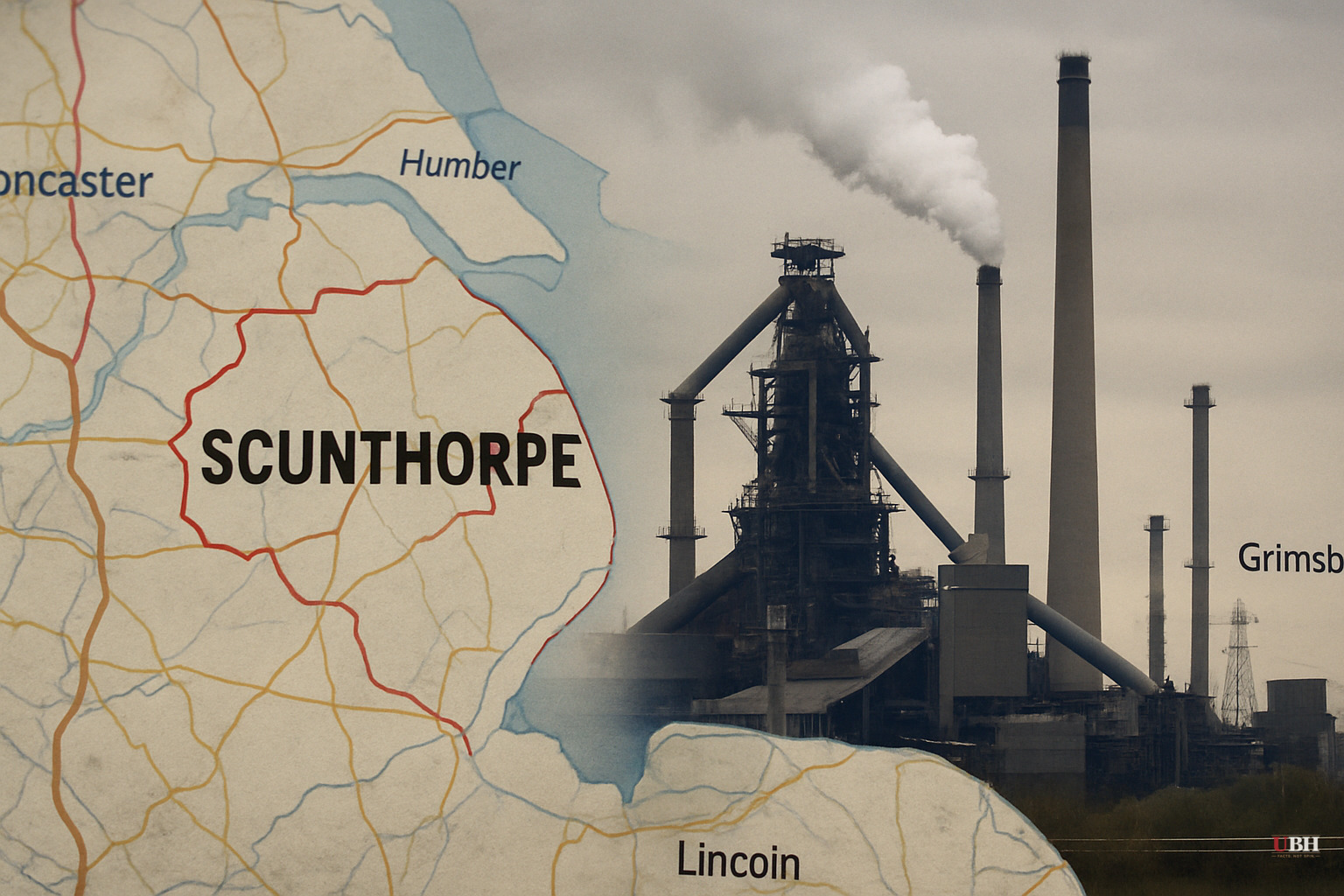
The UK government took full ownership of British Steel on Thursday, July 16, ending 15 months of government-run limbo at the Scunthorpe plant and putting taxpayers directly on the hook for one of the country's last primary steelmakers.
Prime Minister Sir Keir Starmer called it a move to protect "a vital national capability." The Steel Industry (Nationalisation) Act received royal assent on Wednesday, July 15, and the government moved within a day to use the new powers, according to the Department for Business and Trade.
This has been coming a long time. The government took operational control of British Steel's Scunthorpe site back in April 2025 after Jingye Group, the Chinese firm that owned it, threatened to shut down the blast furnaces and walk away, according to the Guardian. That would have killed Britain's last domestic source of virgin steel made from iron ore and put roughly 2,700 direct jobs, and thousands more in the supply chain, on the chopping block.
For 15 months, Jingye remained the legal owner while government officials actually ran the plant. That arrangement is now over. The state has expropriated the company outright.
The Bill Taxpayers Are Picking Up
The National Audit Office reported in March that keeping Scunthorpe running was costing the government about £1.3 million a day, according to the BBC. Jingye, for its part, has claimed the business was losing £700,000 a day under its ownership.
Business Secretary Peter Kyle told the BBC the government will need to keep covering running costs "for the immediate future." An independent valuer will now assess whether Jingye is owed compensation, and how much, based on the company's value. Jingye has already said it's pursuing compensation and has argued in its UK accounts and on its WeChat account that British Steel was a valuable asset worth a substantial payout, according to the Guardian, even though the company had been ready to shut it down.
A company that was prepared to walk away from a loss-making plant is now positioned to demand taxpayer money for it being taken off its hands. The independent valuation process is supposed to sort out whether that claim has merit, but it puts British taxpayers in the position of potentially paying twice: once to keep the lights on for over a year, and again in a settlement to the firm that wanted out.
The Case for Nationalization
Kyle laid out the government's argument plainly to Times Radio and the BBC. Britain has exactly one producer of virgin steel from iron ore. Lose it, and the country is entirely dependent on foreign supply for steel that goes into railways, construction, and defense infrastructure.
"If that business disappears, we will lose the ability for primary steel production in our country, we will become entirely dependent on global supply," Kyle said.
That's a legitimate national security and industrial policy argument, and it's not unique to Labour. Steel capacity has been treated as strategically vital by governments across the political spectrum, including the Conservative government that first intervened when Jingye's predecessor, Tata Steel, was struggling years earlier.
Unions are fully on board. Alasdair McDiarmid of the Community union said members were "incredibly grateful" for nationalization, calling it essential to "safeguard thousands of jobs and ensure the UK retains the capability to produce the steel our economy and national security depends upon," according to the Guardian.
The Case Against
Andrew Griffith, the shadow business secretary, isn't buying it. He told the Independent that "a blank cheque from the taxpayer isn't the answer" and argued the industry's real problem is "Labour's ruinously high energy costs," not ownership structure.
That's a fair criticism to weigh. Nationalizing a money-losing plant doesn't fix why it's losing money. If UK industrial energy costs are the underlying reason British Steel can't compete, then government ownership just means taxpayers absorb the losses that a private owner would otherwise eat, or would otherwise avoid by shutting the plant down entirely. Kyle himself didn't dispute the plant is expensive to run domestically; he argued the alternative, dependency on imports, is worse.
The government says this isn't a standalone move. It points to its Steel Strategy published in March, backed by up to £2.5 billion in investment, a target for half of UK steel demand to be met domestically, a 51% cut to tariff-free steel import quotas, £500 million for Tata Steel's Port Talbot green transition, and industrial energy cost support through its "Supercharger" program, according to gov.uk.
What Happens Next
A new leadership team is now in place to run British Steel, tasked with making it "commercially sustainable, low-carbon" over time, per the government's own language. Kyle was pressed on whether the Scunthorpe blast furnaces will keep making virgin steel long-term and wouldn't commit, telling Times Radio that's "a decision for this business and the government to decide" down the road.
The independent valuation of Jingye's compensation claim has no announced timeline. Until that number is set, taxpayers won't know the full price tag of this nationalization, on top of the roughly £1.3 million a day already being spent to keep the furnaces running.
Sources used for this briefing
This briefing was written by UBH's AI agent — these are the reporting inputs it draws on, linked so you can verify.


