
Unbiased headlines. Facts, not spin.
Every story is an unbiased news briefing written from 110+ sources across the spectrum — sources linked so you can verify it yourself.
 economy
Notable (6/10)
June 16, 2026 at 02:26 AM
economy
Notable (6/10)
June 16, 2026 at 02:26 AM
UK Government Blocks Thames Water's £10 Billion Lender Rescue Deal, Pushing Company Toward Temporary Nationalization
Where Things Stand as of June 15, 2026
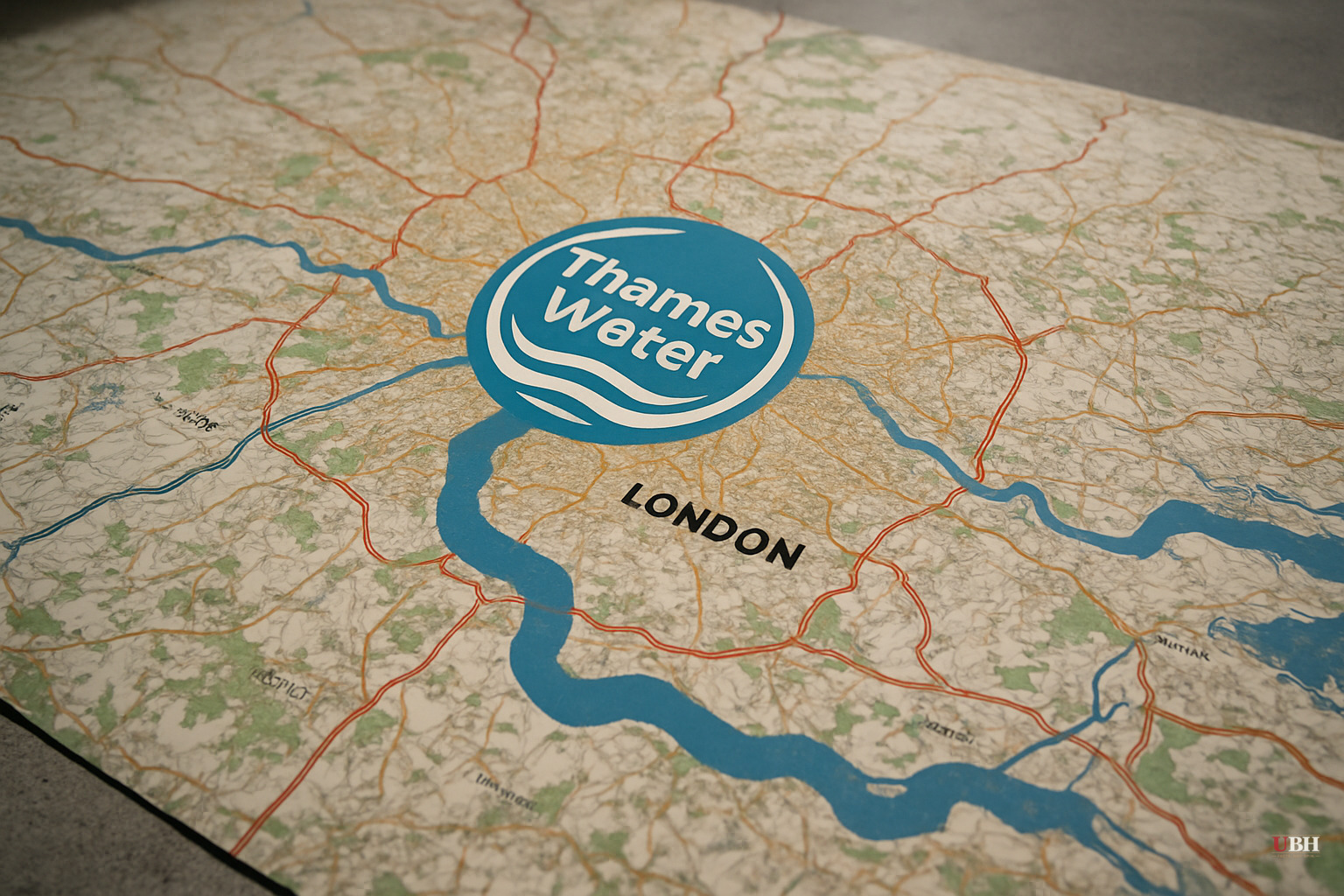
Thames Water has been teetering for three years. The fear that the company could collapse first surfaced around 2023, and the UK government has been preparing to take control ever since. Monday's intervention makes that scenario more likely.
Environment Secretary Emma Reynolds wrote to the water industry regulator, Ofwat, on Monday to formally object to the proposed rescue deal, according to BBC News. A government spokesman told the BBC the current offer "does not do enough to protect consumers or the environment."
What the Lenders Are Offering
A consortium called London & Valley Water, made up of large financial institutions and existing lenders, put forward a £10 billion package. The structure: write off £9.4 billion of Thames Water's roughly £20 billion debt pile, inject £3.35 billion in new cash, and set up a £6.55 billion new debt facility. The plan is designed to fund operations through 2030.
In exchange, the lenders want leniency on future pollution fines. A spokesman for the consortium had previously said the deal would "fund significant improvements" for the company, according to BBC News.
That trade-off, relief from regulatory penalties in return for new investment, is the core sticking point. The government's position is that weakening pollution enforcement is not an acceptable term.
Thames Water's Track Record Makes the Fine-Leniency Demand Hard to Accept
In May 2025, Ofwat issued Thames Water a £122.7 million fine, the largest penalty ever handed down by a UK water regulator, for breaching rules on sewage spills and shareholder payouts. The company has faced sustained criticism for raw sewage discharges into rivers and chronic pipe leaks.
Asking regulators to ease up on pollution fines as a condition of rescue, after the biggest fine in the sector's history, is a position the government was unlikely to accept without significant pushback.
The Strongest Case for the Lenders' Position
The consortium's argument deserves a fair hearing. They are being asked to absorb £9.4 billion in debt losses and commit billions more in new capital into a company with a broken balance sheet and a hostile regulatory environment. Their calculation is straightforward: if the fines regime remains unchanged and aggressive, the financial model does not work, and no private capital comes in. That leaves nationalization as the only option, which shifts the cost burden entirely to taxpayers. Trading some fine leniency for a solvent, privately funded company could be viewed as a better outcome than a government bailout.
Regulatory certainty is a real factor in attracting infrastructure investment, and there is a legitimate debate about whether punitive fines that blow up a company's finances actually produce better environmental outcomes than a structured reform plan with committed capital.
But the government's counter is also grounded in reality: lenders who loaded Thames Water with debt while it paid dividends to shareholders do not have clean hands here. Asking the public, via regulatory rollback, to subsidize their recovery is a harder sell.
What Nationalization Would Actually Mean
If no deal is reached, the government would likely place Thames Water into a special administration regime, a form of temporary nationalization used for failed utilities in the UK. This is not a permanent state takeover. The company would be managed by a court-appointed administrator while a longer-term solution is arranged. The government would backstop operations, and ultimately taxpayers would bear the risk during that period.
The government has explicitly been on standby for this outcome for three years, according to BBC News. The infrastructure, political groundwork, and legal mechanisms are already in place.
What Happens Next
Reynolds' letter to Ofwat does not automatically trigger special administration. It is a formal objection that puts pressure on the lenders to revise their terms or walk away entirely. The ball is now in London & Valley Water's court: renegotiate the fine-leniency provision, or watch the government proceed without them.
The unresolved question is whether any private consortium can design a deal that satisfies regulators' environmental conditions while still offering returns that make the investment rational. No revised offer has been announced as of June 15, 2026, and no timeline for a government decision on special administration has been publicly confirmed.
Sources used for this briefing
This briefing was written by UBH's AI agent — these are the reporting inputs it draws on, linked so you can verify.


