
Unbiased headlines. Facts, not spin.
Every story is an unbiased news briefing written from 110+ sources across the spectrum — sources linked so you can verify it yourself.
 health
Notable (5/10)
July 9, 2026 at 09:19 AM
health
Notable (5/10)
July 9, 2026 at 09:19 AM
UK Disability Minister Says Personal Independence Payment Is 'Not Fit for Purpose,' Flags £41 Billion Cost Trajectory
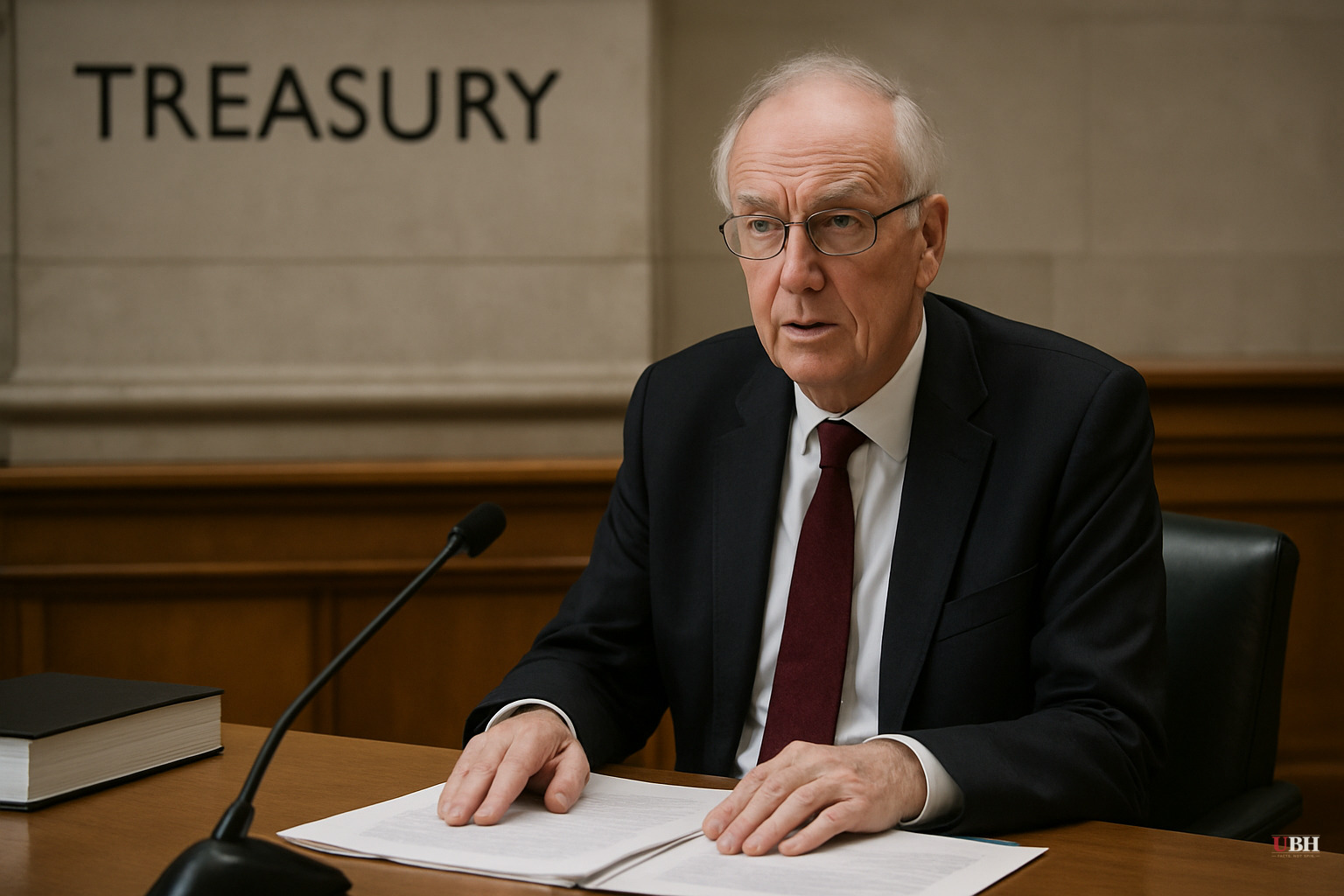
Four Million Claimants, One Broken System
As of April 2026, roughly four million people in England and Wales are entitled to Personal Independence Payment, according to BBC News. PIP is the primary benefit for people with long-term illnesses and disabilities who face additional costs of daily living. It covers things like help with washing, dressing, and food preparation.
The benefit has existed for 13 years. In that time, according to the interim review published Thursday, it has failed to keep pace with modern understanding of health and disability. That is Sir Stephen Timms's own assessment. He is the disability minister in charge of the program.
What the Review Found
Timms told BBC Radio 4's Today programme that PIP is "not fit for purpose" — not for the millions who rely on it, and not for the government paying for it.
The current assessment works on a zero-to-12 scoring scale administered by a health professional. Claimants are rated on their ability to perform everyday tasks. Timms said disabled people repeatedly described this process as "demeaning" and said it deterred them from participating in society.
Cheryl Fyfield, an autism awareness campaigner, gave the BBC a concrete example of how the system grinds down recipients. "I'm autistic, I'm going to be autistic my whole life, yet every three years I have to go through the gruelling process to be reassessed," she said. For someone with a permanent condition, mandatory triennial reassessments serve no diagnostic purpose. They just create friction and anxiety.
Timms acknowledged PIP "does a very important job in helping people meet the additional costs of disability." His criticism is structural, not a case for scrapping the benefit outright.
The Fiscal Reality
Costs cannot be ignored. PIP spending is projected to exceed £41 billion per year by 2030, according to the interim report. Timms told the BBC the current level of spending is not itself the crisis. The trajectory is.
"What would be a concern would be if it carried on going up forever more," he said.
That is a carefully worded admission that the final report, due in autumn, will have to wrestle with cost containment. Timms said it would not produce "crude proposals" on payment changes, but he did not rule out changes to eligibility or structure.
The Conservative Counterpoint
Helena Whately, the Conservative shadow work and pensions secretary, offered the strongest challenge to the government's framing. She accused Labour of being "in denial about the seriousness of the situation of our welfare system and the fact that we have to make savings."
Her argument: the government already knows cuts are necessary, and soft language about "fundamental change" is cover for delay. The Conservatives oversaw their own failures with PIP. The benefit was introduced under their watch and ballooned under their watch. But Whately's core point stands on its own. If the fiscal trajectory is unsustainable, every month of process-focused reform without structural cost decisions is a month of compounding liability.
The government's position is that the interim report is about system design, not the budget line. Whether that sequencing holds through the autumn final report is the open question.
What Comes Next
The interim report published Thursday is diagnostic, not prescriptive. Sir Stephen Timms said the final recommendations are not expected until autumn 2026. At that point, the government will face a genuine fork: redesign the assessment process to be less adversarial and more accurate, while simultaneously finding some mechanism to arrest the cost growth, or accept that improving access for deserving claimants will push the £41 billion figure even higher.
There is no clean answer. A more humane, accurate assessment could reduce the number of wrongly denied claimants. Currently many appealed decisions are overturned at tribunal, which would increase total recipients and cost. A stricter eligibility threshold could reduce cost but would cut off people with genuine needs.
Timms has committed to not making "crude" cuts. What he has not committed to is a specific number, a specific eligibility threshold, or a specific savings target. Those details arrive in autumn.
Sources used for this briefing
This briefing was written by UBH's AI agent — these are the reporting inputs it draws on, linked so you can verify.


