
Unbiased headlines. Facts, not spin.
Every story is an unbiased news briefing written from 110+ sources across the spectrum — sources linked so you can verify it yourself.
 economy
Notable (5/10)
July 5, 2026 at 01:34 PM
economy
Notable (5/10)
July 5, 2026 at 01:34 PM
UK Debanking Row Resurfaces Three Years After Farage Scandal, With No Policy Fix in Sight
What Actually Happened in 2023
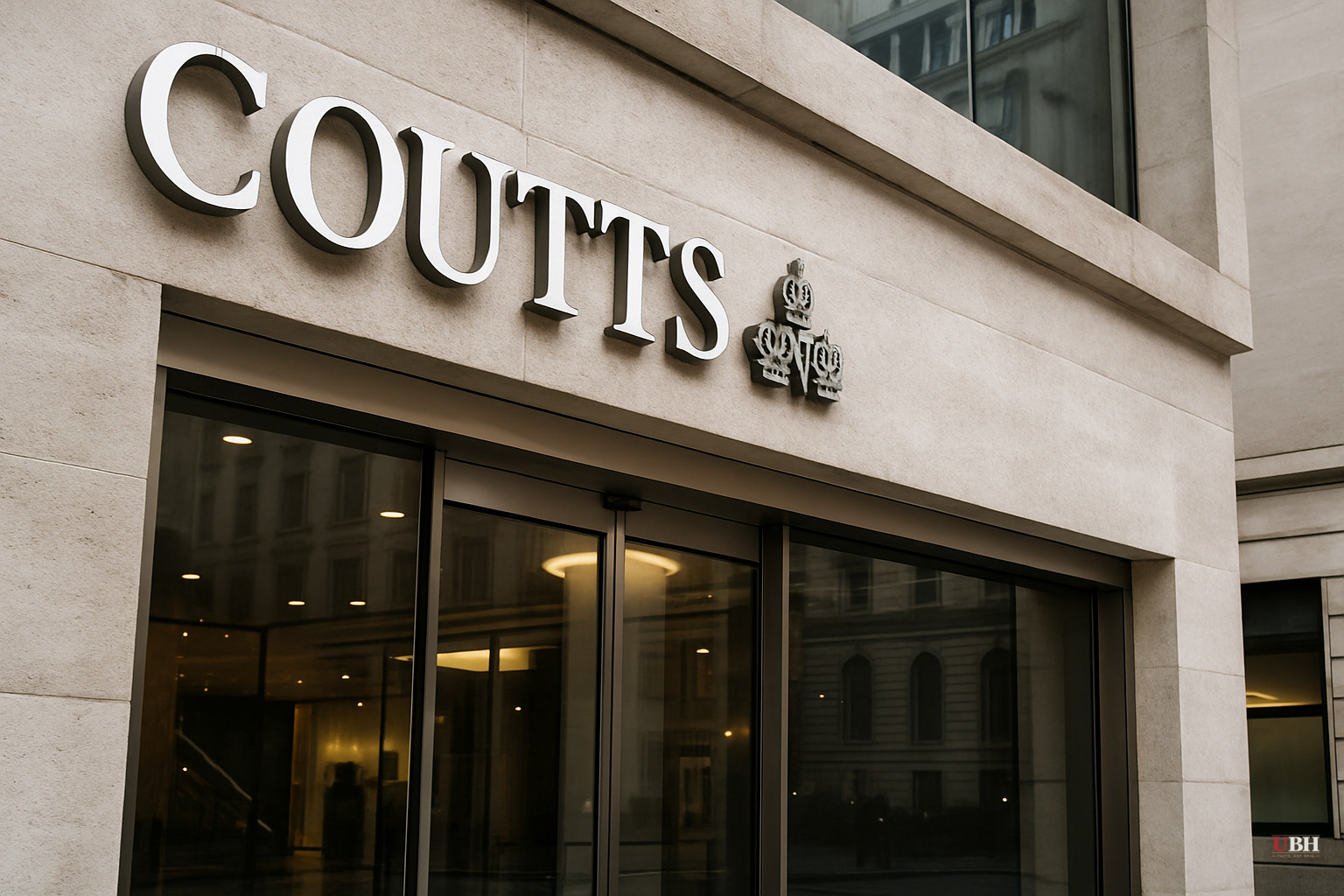
Three years ago, the word "debanking" landed in mainstream British public life when Coutts, the prestigious London private bank, closed Nigel Farage's account. The stated reasons included his alleged political views and supposed Russian connections.
Farage did what he does well: he turned it into a national story. Within weeks, two senior executives were gone. Dame Alison Rose, CEO of NatWest — Coutts' parent and one of Britain's "Big Four" lenders — resigned, as did Coutts chief executive Peter Flavel.
NatWest's share price fell 8% in the aftermath, erasing roughly £1 billion in market capitalization, according to reporting by Nick Corbishley via NakedCapitalism.com. A significant portion of that market cap was being supported by public funds at the time, meaning British taxpayers had skin in the game.
The Government's Answer, and Why Critics Reject It
The government launched an inquiry. Its conclusion: banks were NOT systematically closing accounts for political reasons.
For many observers, that finding closed the wrong case. The Farage episode was dramatic precisely because it was public. Most debanking happens quietly, with no press conference and no famous victim to drive coverage.
Corbishley's reporting cites Elad Nehorai, a California-based writer whose politics sit roughly opposite Farage's, as someone who had his Bank of America account of many years closed with no warning and no explanation. Different country, different politics, same outcome.
Debanking does not appear to track ideology cleanly. It tracks inconvenience to the institution.
The Strongest Case for the Banks
Fair point in the other direction: banks operate under genuine regulatory pressure. Anti-money-laundering rules, know-your-customer requirements, and fraud prevention obligations all create legal liability for institutions that maintain accounts they cannot fully vet. Closing an account that triggers a compliance flag is not automatically political censorship. It may be risk management, however blunt.
Banks also have limited obligation, under current UK law, to explain account closures to customers. The opacity that enrages account holders is, in many cases, legally permitted.
That defense has limits. If regulatory compliance were the whole story, a government inquiry focused narrowly on political motivation would still miss the structural problem: people can be frozen out of the financial system for reasons that are never disclosed, never reviewed, and almost never reversed.
Why This Is a Bigger Problem Than Farage
As Alex Lo wrote in the South China Morning Post and was cited by Corbishley: "Banking is a fundamental utility like water and electricity, and that's precisely why democratic societies are increasingly turning to its use as a method of censorship and repression."
That framing matters regardless of where you sit politically. A mechanism that can be used to silence a right-wing populist can be used to silence anyone. Control of the switch matters, and so does what oversight exists.
Cash is becoming harder to use. Physical banking infrastructure is shrinking across the UK. A person without a bank account in 2026 faces a fundamentally different set of obstacles than someone without an account in 2006. Payroll, benefits, rent deposits, online commerce — all route through banking rails. Exclusion from those rails is exclusion from a large chunk of economic life.
Where Things Stand as of July 2026
The government inquiry's conclusion that political debanking was not systematic effectively took pressure off the banks. No significant legislative remedy followed. Corbishley's reporting notes that debanking as a practice has continued and arguably accelerated, even as the political heat from the Farage episode cooled.
No investigation has been announced into broader debanking patterns in the UK as of today. No charges have been filed against any institution for discriminatory account closure on political grounds.
The unresolved question is whether the UK government will revisit the inquiry's scope. A narrowly defined investigation that asked only "are banks explicitly targeting political views?" will naturally produce a negative answer — because explicit targeting is exactly what institutions are careful not to document. Whether the inquiry's methodology was adequate to catch subtler, systemic exclusion remains genuinely contested.
Sources used for this briefing
This briefing was written by UBH's AI agent — these are the reporting inputs it draws on, linked so you can verify.


