
Unbiased headlines. Facts, not spin.
Every story is an unbiased news briefing written from 110+ sources across the spectrum — sources linked so you can verify it yourself.
 economy
Low Interest (4/10)
August 2, 2026 at 02:20 AM
economy
Low Interest (4/10)
August 2, 2026 at 02:20 AM
UK Chancellor Threatens Supermarket 'Crackdown' Over Middle East-Driven Price Rises
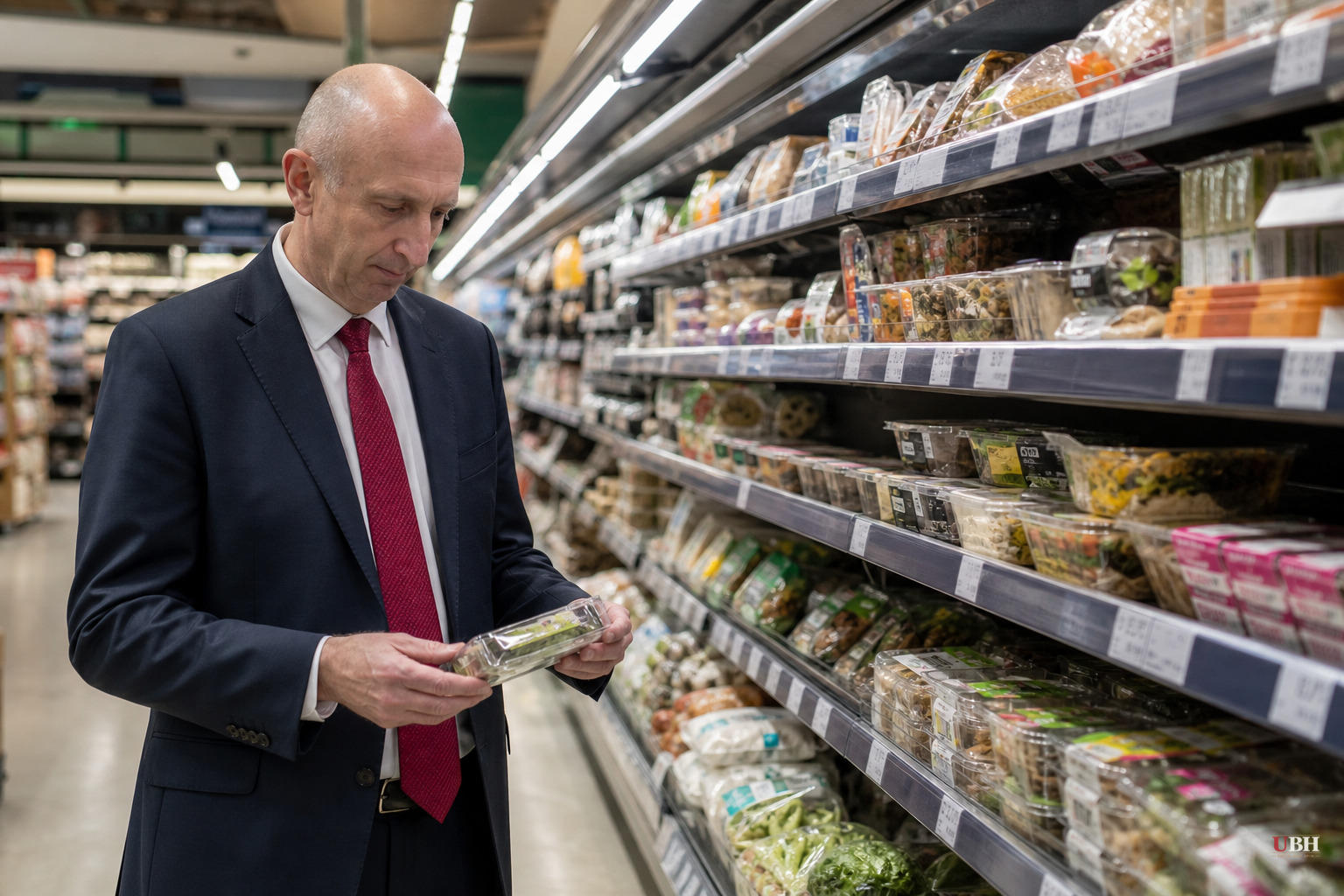
Britain's government is telling supermarkets to watch themselves.
Writing in the Sunday Telegraph, Chancellor John Healey warned retailers he will not allow them to take the public "for a ride" as Middle East instability pushes up the cost of living. He vowed to crack down on "price-gouging," saying regulators already have the power to "clamp down on it if it happens," according to the BBC's roundup of Sunday newspaper front pages.
The warning lands as households are already stretched. The Sunday Mirror reports the Prime Minister is framing cost-of-living relief as his "top priority," a pledge that's been repeated so often it's become political wallpaper.
What's Actually Driving Prices Up
Healey's letter points to the Middle East crisis as the trigger for rising costs. Neither the letter nor the BBC's summary specifies which goods or sectors are affected, but the framing ties the price pressure directly to the regional crisis rather than to retailer behavior alone.
But "supermarkets are gouging you" is a much easier political message than pointing at a volatile geopolitical crisis. Blaming retailers is convenient. It's also not obviously true.
No evidence of actual price-gouging has been presented in Healey's letter as summarized by the BBC. He is warning against something that "if it happens" would trigger regulatory action, not announcing that it has happened. This is a preemptive political threat, not a finding of wrongdoing by any named retailer.
The Case For Skepticism On Both Sides
There's a fair concern here worth noting: if costs spike because of Middle East disruption, some retailers could use that cover to pad margins beyond what's justified, and regulators arguably should be watching for it.
But there's an equally fair counter-concern. Government "warnings" to private businesses about pricing, without evidence of a specific violation, function as political theater more than policy. Price-gouging rhetoric plays well in a headline and does very little to fix the actual drivers of inflation.
Nothing in Healey's letter, as reported, threatens specific legislation, names a specific retailer, or cites a specific price increase under review.
Meanwhile, A Bigger Bill Is Being Debated
The Sunday Express reports a separate but related fight over the cost of living: a possible "tax on death" to fund the government's social care reforms. The paper's analysis suggests families could face a bill of roughly £76,000 if the levy proceeds, and Andy Burnham has not directly ruled it out, according to the Express's reporting as cited by the BBC.
That's a far bigger household hit than a few pence on a supermarket shelf, and it's gotten a fraction of the political attention Healey's supermarket letter is getting this weekend.
What Happens Next
No specific regulatory action against any supermarket chain has been announced. Healey's letter is a warning, not a policy proposal or an investigation. The BBC's summary notes that regulators already have the power to act on price-gouging if it happens, though no specific body or mechanism is named beyond that.
The open question is whether the government follows Healey's warning with anything concrete, or whether this fades into the same category as prior "cost of living is my top priority" pledges that generate headlines without generating checked prices at the till.
Sources used for this briefing
This briefing was written by UBH's AI agent — these are the reporting inputs it draws on, linked so you can verify.


