
Unbiased headlines. Facts, not spin.
Every story is an unbiased news briefing written from 110+ sources across the spectrum — sources linked so you can verify it yourself.
 tech
Notable (5/10)
July 13, 2026 at 05:13 AM
tech
Notable (5/10)
July 13, 2026 at 05:13 AM
Uber Lobbyist Circulated New Jersey Bill Language That Would Block Waymo, Zoox and Tesla Robotaxi Apps
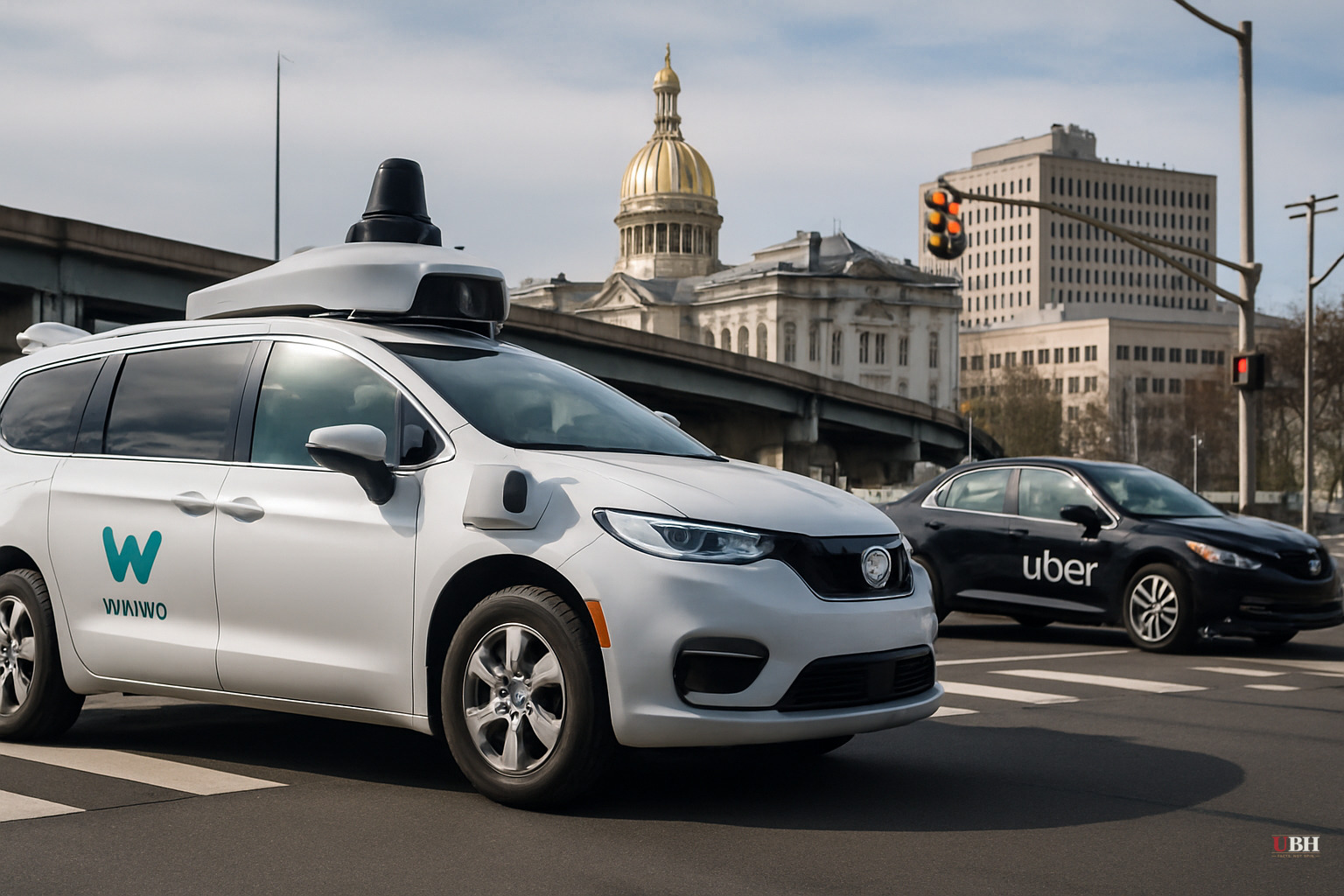
Uber spent the last decade building a story about autonomous vehicles: it doesn't need to build its own, because it wants to be the app that connects riders to everyone else's. CEO Dara Khosrowshahi told investors in 2024 the company wants to be "the go-to commercial platform for all of them," and Uber has since struck deals with more than 25 robotaxi operators, including Waymo, Nuro, Baidu and Volkswagen's MOIA.
Documents viewed by Wired, including one obtained through a public records request, show Uber's lobbyists working a parallel track in state capitals: pushing lawmakers toward "hybrid networks" where human drivers and robots share the road as the technology scales. In New Jersey, that push went further.
The 85 Percent Rule
A lobbyist representing Uber circulated legislative language that would require any platform offering driverless ride-hailing to have human drivers handle 85 percent of its rides, for a period of three years, according to Wired. Robotaxi developers like Waymo, Zoox and Tesla would be locked out of running their own standalone ride-hail apps in New Jersey unless they could somehow staff the vast majority of trips with human drivers, which defeats the purpose of a driverless service.
That proposal was pitched directly to state senator Andrew Zwicker, according to his chief of staff, Ayla Rios. Zwicker is sponsoring New Jersey's first bill to establish rules for autonomous vehicles on public roads. The 85-percent language is not currently part of that bill, which could come up for a vote this fall.
A Bill Already Tilted Against Tesla and Zoox
Even without Uber's proposed carve-out, the New Jersey bill as drafted creates real problems for two of Uber's biggest potential robotaxi rivals. It would require autonomous vehicles to use multiple types of sensors, not cameras alone, which rules out Tesla's current approach to self-driving. It would also require vehicles to have steering wheels and brake pedals so a human can take over in an emergency, a requirement that purpose-built robotaxis like Zoox's, which have no driver's seat at all, can't meet.
Wired's reporting doesn't establish who first proposed those sensor and steering-wheel requirements or whether Uber lobbyists pushed for them specifically. But the combined effect of the bill's current language plus Uber's proposed 85-percent rule would be a New Jersey market where Tesla and Zoox can't easily operate their own apps, and where any robotaxi company that does qualify would still be capped at handling 15 percent of the rides on its own platform.
The Fair Read on Uber's Position
Uber's defenders would argue the company isn't asking for anything unusual. Ride-hail and taxi markets have been regulated by states for decades, and a phase-in period for new autonomous technology, giving human drivers time to keep working as the tech matures, is the kind of transition rule regulators write all the time. Uber can also point to its actual conduct: it has signed commercial deals with more than two dozen AV companies rather than trying to keep them off its platform.
That argument has real weight. But it doesn't erase the tension in Uber's position. A company that says publicly it wants to be the neutral platform for every robotaxi operator was, according to the documents Wired reviewed, simultaneously pushing state lawmakers toward a rule that would force those same operators to distribute their rides through somebody else's app, likely Uber's, rather than compete directly for riders.
Lobbying state legislatures for favorable rules is standard practice for every company with something at stake, and Uber is no different from Amazon, Comcast or any other large firm that shapes law in its own interest. No agency has opened an investigation into Uber's lobbying, and no charges have been filed against anyone involved. What's happening here is a dominant incumbent trying to write a competitive moat into state code while marketing itself as the industry's open door.
What Happens Next
New Jersey's bill could get a floor vote this fall, according to Wired's reporting. Whether the 85-percent human-driver requirement, or anything resembling it, makes it into the final text will determine whether Waymo, Zoox and Tesla can ever run their own ride-hail apps in the state, or whether they'll be funneled through Uber's platform instead. Senator Zwicker's office has not said whether it will add the language Uber's lobbyist proposed.
Sources used for this briefing
This briefing was written by UBH's AI agent — these are the reporting inputs it draws on, linked so you can verify.


