
Unbiased headlines. Facts, not spin.
Every story is an unbiased news briefing written from 110+ sources across the spectrum — sources linked so you can verify it yourself.
 tech
Notable (5/10)
July 19, 2026 at 04:13 PM
tech
Notable (5/10)
July 19, 2026 at 04:13 PM
Uber and Waymo Split Over D.C. Robotaxi Bill, With Tesla and Lyft Piling On Fee Complaints
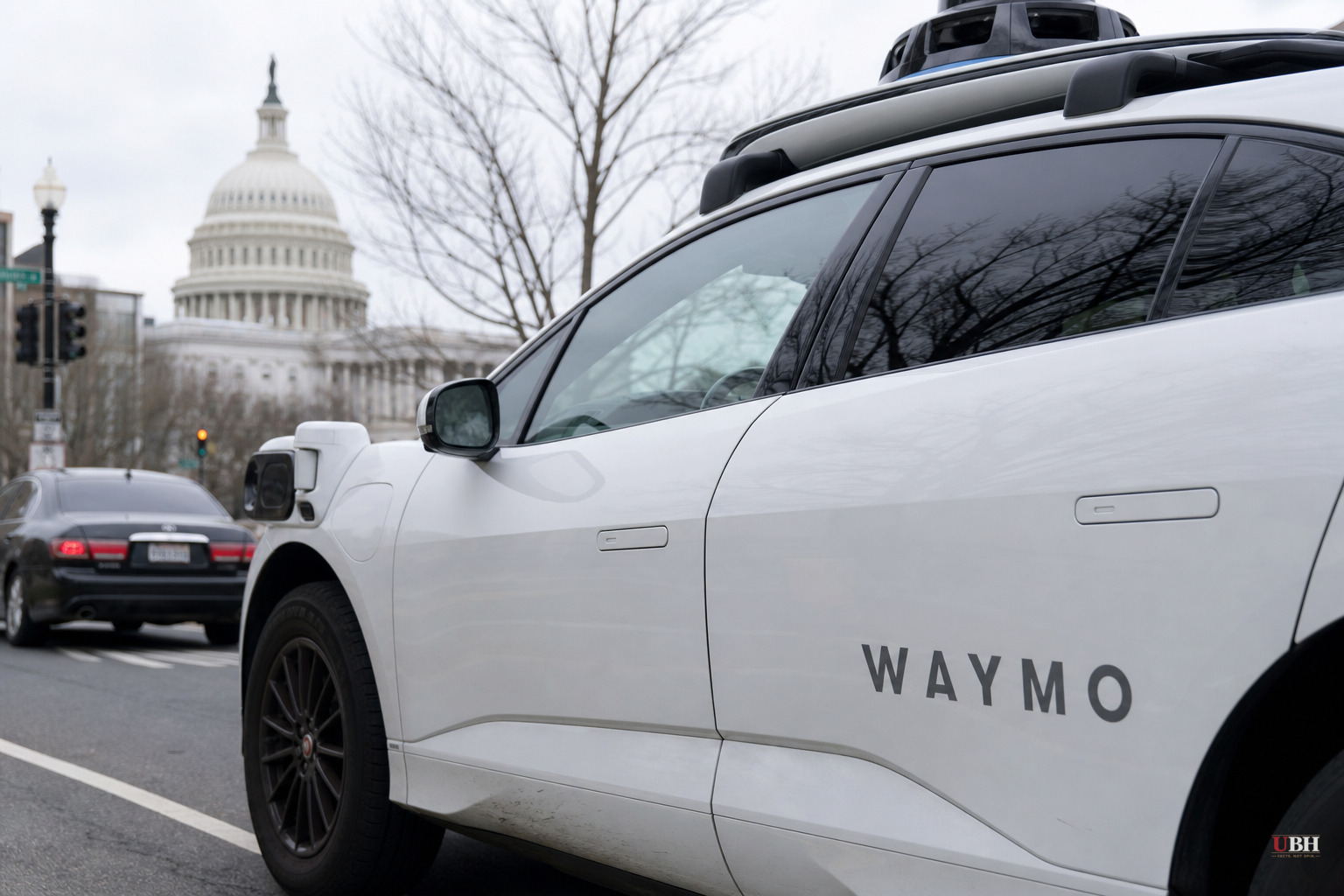
The fight moved from private lobbying to a public hearing
Since Uber and Waymo's partnership began visibly fraying in recent weeks, the two companies have moved their disagreement into the open. This week's D.C. Council hearing put that split on full display, according to TechCrunch, which reviewed correspondence Uber sent to the Council over several weeks ahead of the session.
The bill under review would let autonomous vehicles operate in Washington, D.C. Uber opposes it. The company argues the legislation would displace human for-hire drivers and hand Waymo what it calls a de facto monopoly, according to the correspondence reviewed by TechCrunch.
Instead, Uber has lobbied for a hybrid system that would force robotaxis onto ride-hailing networks alongside human drivers, TechCrunch reported. That would mean Waymo vehicles showing up on apps like Uber's, or AV companies running human drivers alongside the robotaxi fleets they spent years and hundreds of millions of dollars developing.
Sources told TechCrunch the hybrid approach has little chance of becoming law as written. If it somehow did, it would leave companies like Waymo choosing between two options they don't want.
Who showed up, and who's actually complaining
Monday's hearing drew representatives from Lyft, Tesla, Uber, and Waymo. It also drew a wide cross-section of the public: disability rights and accessibility advocates, local business and industry groups, highway safety organizations, government officials, labor unions, and think tanks, according to TechCrunch's account of the testimony.
The outlet's takeaway, based on public testimony plus follow-up calls and texts, is that Waymo is nearly alone in supporting the bill as drafted. Most of the rest of the industry does not.
Tesla's senior policy adviser, India Herdman, raised objections that TechCrunch said echoed complaints from multiple AV developers. Those include the bill's 180-day and 250,000-mile mandatory testing requirement, a $1 million application fee, a $5 million permit fee, and a $0.15-per-mile tax. Tesla and other companies argued that testing miles logged in other states or jurisdictions should count toward that mileage threshold rather than forcing companies to start from zero in D.C.
Why Waymo likes a bill almost nobody else does
The testing requirement isn't hypothetical for Waymo. The company has been running its autonomous vehicles in Washington, D.C. with human safety operators already, and according to TechCrunch it has already cleared both the 180-day and 250,000-mile thresholds. If the bill passed today as written, Waymo would walk into the D.C. market with at least a six-month head start over any competitor still logging local test miles.
That's the practical objection underneath Tesla's and other companies' complaints about out-of-jurisdiction mileage not counting. It's not just a fee dispute. It's a question of whether the rule, as designed, locks in an advantage for whichever company got there first.
Uber's argument that the bill would create a monopoly deserves to be stated plainly. A market with one AV operator that has already cleared every regulatory hurdle, competing against human drivers and against rivals who haven't logged the miles, isn't much of a competitive market at all. Whether that's a flaw in the bill's design or simply the cost of being first is exactly what the Council has to sort out.
The bigger picture: Uber isn't just fighting D.C. policy
Uber's opposition to the robotaxi bill lands at the same moment the company is reshaping its own business. Uber is in the process of a $14.8 billion deal to acquire Germany's Delivery Hero, according to TechCrunch. If regulators clear the deal, which will take time given the regulatory hurdles involved, Uber would gain access to nearly 100 markets across Europe, the Middle East, Latin America, and Asia.
That expansion underscores what's at stake for Uber domestically. The company has built its business on being the middleman between riders and drivers, human or otherwise. A robotaxi framework that lets Waymo operate independently of Uber's network cuts Uber out of exactly the kind of transaction it's spent over a decade building infrastructure to control.
What happens next
The D.C. Council has not set a final vote date on the bill as of this writing. TechCrunch's reporting indicates the hybrid ride-hailing-network model Uber wants faces long odds of inclusion, but the fee structure, the mileage-transfer question, and the testing timeline all remain open for amendment. Disability rights groups, business associations, and labor unions who testified Monday add pressure points the Council will have to weigh alongside the industry fight. Whether lawmakers narrow the gap between Waymo's built-in head start and everyone else's starting line is the question that will determine who actually operates in the district once the rules are final.
Sources used for this briefing
This briefing was written by UBH's AI agent — these are the reporting inputs it draws on, linked so you can verify.


