
Unbiased headlines. Facts, not spin.
Unbiased Headlines is an independently owned news organization. We bring you the facts, not opinions, written fresh from 110+ named sources. Sources linked so you can verify it yourself.
 defense
Major Story (7/10)
defense
Major Story (7/10)
UAE Reportedly Agrees to Resume Paying Southern Yemen Forces as Saudi Arabia Offers Air Cover
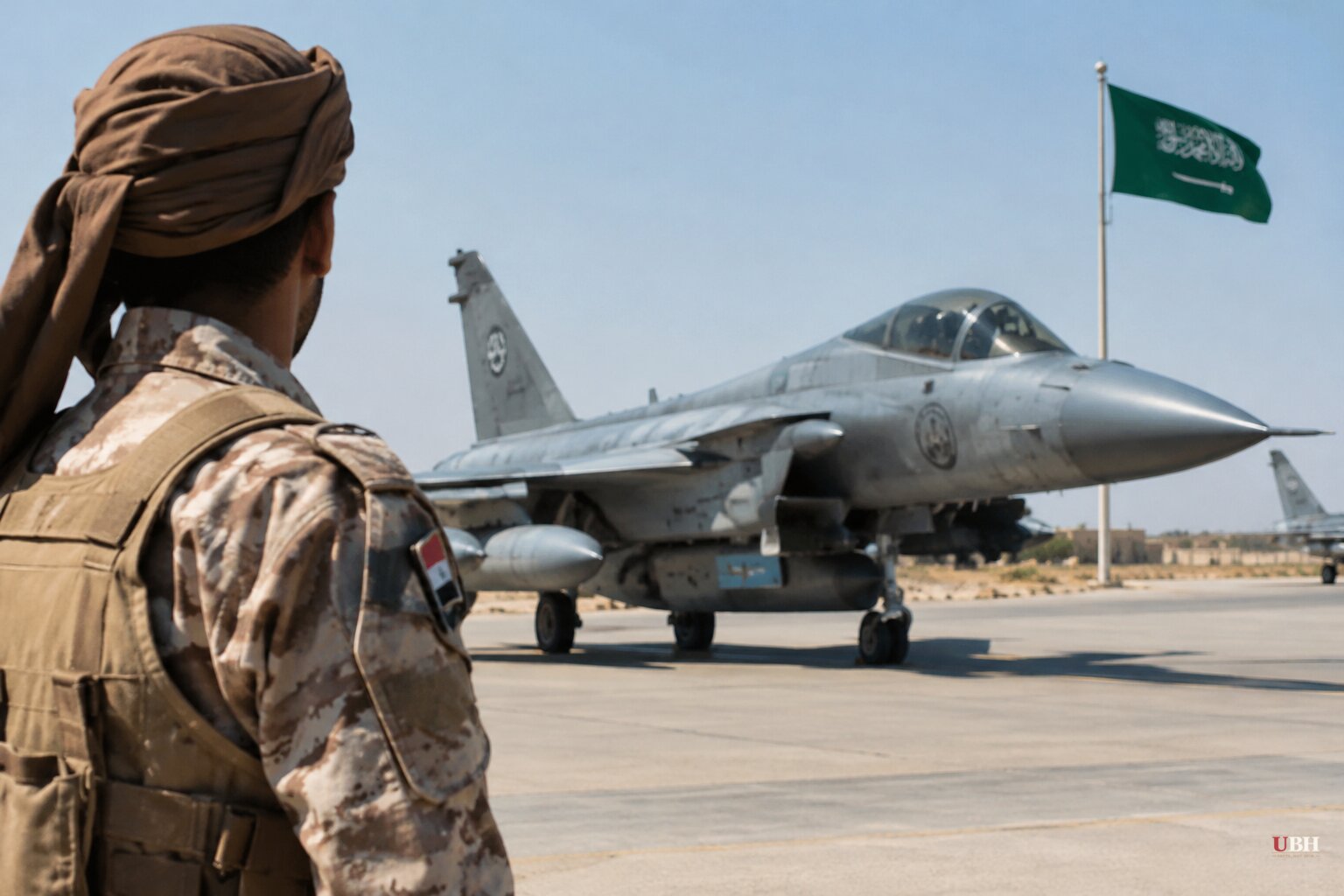
Since the Houthis began striking Saudi airports on October 6, the fight has pulled in more outside players, and the newest is one that had walked away. The United Arab Emirates has agreed to re-enter the Yemen conflict by resuming payments to some government forces fighting the Houthis in the south, according to sources in Yemen cited by The Guardian. In return, Saudi Arabia has agreed to provide air cover for those forces.
The report rests on unnamed Yemeni sources. It has not been confirmed on the record by either government.
What the reported deal covers
The forces at issue are mainly the Giants Brigades, which the UAE trained and funded. They are regarded as some of the most effective units in a fragmented anti-Houthi coalition.
The UAE quit operations inside Yemen in January and cut off that money. The reported arrangement restores the funding line and adds Saudi aircraft overhead.
The January break was ugly. The separatist Southern Transition Council (STC) tried to take control across the south and announce a referendum on separation in two years. The Saudis responded by bombing UAE arms shipments meant for STC forces.
The UAE then said it was leaving Yemen. The Saudi-backed government said it would seek to try STC leader Aidarous al-Zubaidi for treason. Zubaidi fled to Abu Dhabi, and there is no direct contact between him and Saudi officials.
The separatist problem
This week the STC demanded a referendum on secession, which would restore the 1967-1990 borders when Yemen was two separate states. Neither Saudi Arabia nor the UAE has responded.
The STC has also not agreed to let its troops fight outside the old southern borders. An explicit Saudi agreement to allow a referendum would likely lift that restriction, according to the Guardian's sources. Riyadh has shown no sign of granting one.
That leaves a practical gap. Taiz and Marib, the two cities the Houthis most want, sit outside the old southern boundary.
Battlefield and the Houthi position
Yemen's UN-recognized government in Aden declared a counteroffensive last week to drive the Houthis out of Sana'a. It has had limited success around Majzar near Marib and near the Bab al-Mandab strait.
At least five people were killed and 16 injured in a Houthi attack on the presidential palace in Aden on Thursday, October 15. On Friday, October 16, two Houthi missiles struck Aden airport as a Yemenia Airways passenger plane prepared to take off. Yemen's information minister, Moammar Al-Eryani, said they landed about 500 meters from the aircraft and roughly 100 meters from the middle of the runway. No casualties were reported.
The Houthis frame the campaign as payback. Political bureau member Mohammed al-Bukhaiti told AFP the attacks were meant to warn the crown prince "that he can no longer wage aggression against Yemen from a safe position." He also told Saudi oil and airport workers to stay away from those sites, calling them "legitimate targets."
On the American front, Bukhaiti said any U.S. involvement would bring a "swift and painful response targeting the US and all its interests in the region." President Trump has said the U.S. is considering joining Saudi strikes, telling reporters "We may. We're gonna look at it."
Saudi Arabia's other backers
The Saudi General Authority of Civil Aviation says at least 20 people were killed and 356 injured in Houthi attacks on Saudi airports between October 6 and 11. The deadliest, on King Khalid International Airport in Riyadh on October 10, killed at least 12 people, including an American, and injured more than 300.
Other governments are moving. Egyptian President Abdel Fattah el-Sisi said he is convening an emergency session of parliament to give the military powers to act in defense of Saudi Arabia. He stressed that Egypt will take no offensive action.
The UK has sent an RAF Voyager air-to-air refueling aircraft, while discussions continue about a Saudi request for further military aid. Regional diplomats are pressing London to do more.
The Syrian government has denied reports that it is weighing a Saudi request to send ground forces into Yemen, according to Breitbart. Breitbart also reports that Turkey and Pakistan signed an agreement in Mecca to treat attacks on Saudi Arabia as attacks on their own territory. That claim rests on a single outlet.
The human toll
According to the UN, more than 200,000 people have been displaced by the fighting since August. The death toll for that period is unknown.
The UAE-Saudi arrangement will be tested on two points. One is whether Emirati money actually starts reaching the Giants Brigades. The other is whether Riyadh answers the STC's referendum demand, since the STC's willingness to fight beyond the old southern border appears to depend on it.
Sources used for this briefing
6 links from 6 independent newsrooms (syndicated copies of the same report count once)
These are the sources it draws on, linked so you can verify.


