
Unbiased headlines. Facts, not spin.
Unbiased Headlines is an independently owned news organization. We bring you the facts, not opinions, written fresh from 110+ named sources. Sources linked so you can verify it yourself.
 defense
Major Story (8/10)
defense
Major Story (8/10)
Trump Denies Ordering Starlink Slowdown for Ukraine as Reuters Reports the Order Came From the White House
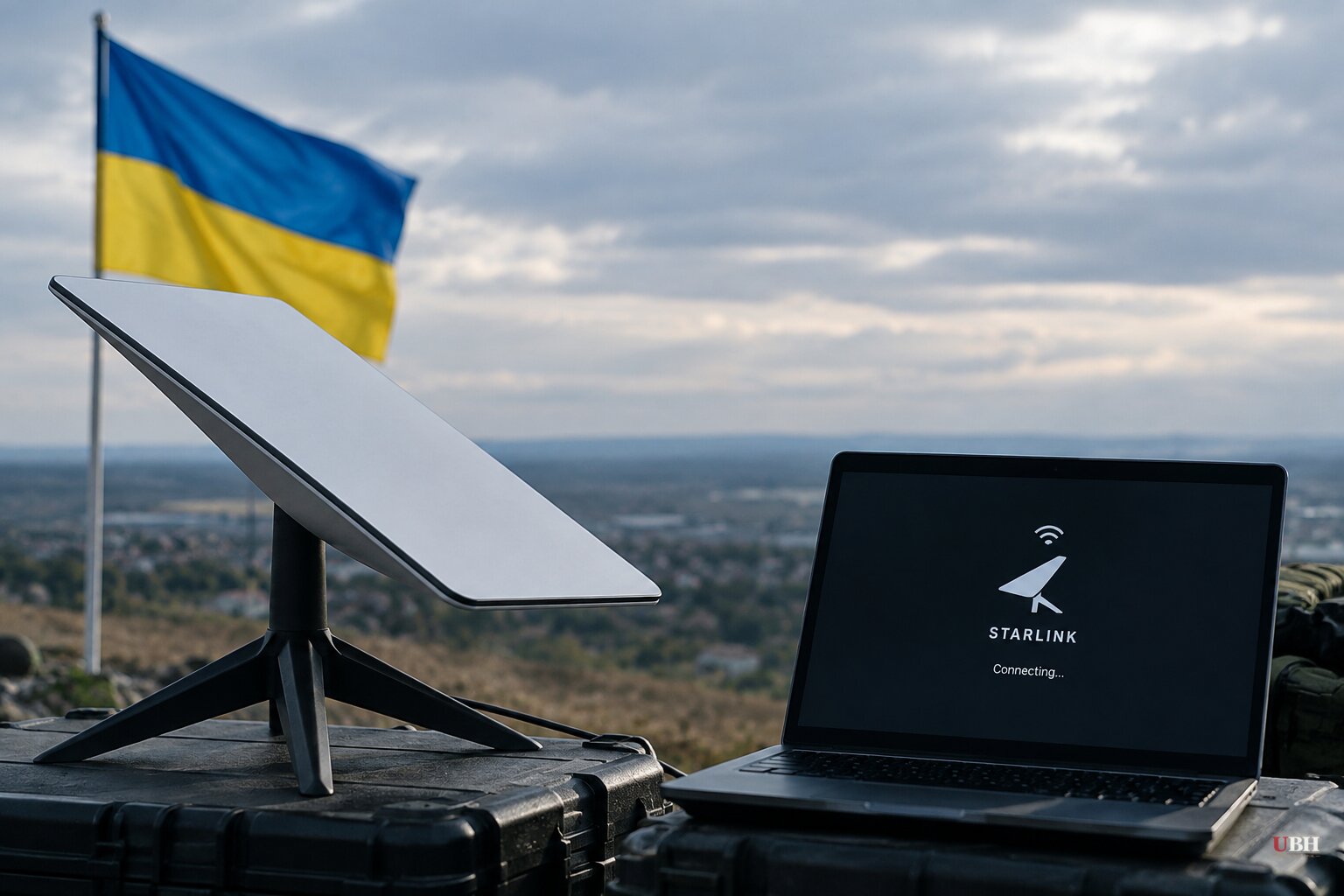
Russia fired 39 ballistic missiles at Kyiv and Kharkiv on Oct. 13, and Starshield service to Ukraine was slowed on Tuesday. The dispute over who made that call has moved into the White House. Reuters reported Thursday that the order to limit the satellite system came from inside the White House, and that Defense Department leaders were told the service needed to be slowed. That is Reuters' own reporting, and no one on the record has confirmed it.
Trump denied it Friday. "I didn't do that. No, we didn't do that at all," he told reporters, saying neither he nor Elon Musk caused the outage.
Starshield, the government-controlled system Ukraine uses for offensive operations, has since been restored, according to The Hill. Zelensky nonetheless accused Washington on Friday of continuing to throttle Starlink, the commercial service used for defensive purposes on the battlefield. The two accounts have not been reconciled.
Russian strikes continue
Russian attacks hit nine Ukrainian regions Friday, causing emergency power outages for hundreds of thousands of households and wounding at least 15 people, Ukrainian officials said. Ukrainian officials have warned that Russia is stockpiling ballistic missiles for more attacks in the coming months.
Ukraine on Thursday abandoned a brief truce on energy targets, saying Moscow never honored it. Trump had announced the "energy ceasefire" on Sunday, and neither side had confirmed agreeing to it. Ukraine has resumed strikes on Russian refineries.
Zelensky, in Brussels for an EU summit, said Friday that Russia is showing no sign of readiness to end the war. "That's why we have to prepare for the winter," he told reporters. EU leaders applauded him and urged Washington to press Putin. Zelensky also told EU leaders the war will cost Ukraine 155 billion euros ($174 billion) next year and that his country will need at least 70 billion euros ($79 billion) from Europe.
What Washington is and is not doing
Trump said Oct. 14 that the U.S. has not stopped sharing intelligence with Ukraine. "We are helping them, and we are sharing intel," he said. Ukrainian Foreign Minister Andriy Sybiha said Kyiv still receives U.S. military intelligence and suggested the missing warning may have depended on the type of Russian weapon used.
Kurt Volker, a former U.S. ambassador to NATO and Trump's first-term special representative for Ukraine, told RFE/RL he was informed that cloud cover kept American satellites from detecting the launch. He said he could not verify that independently. Some analysts told RFE/RL the timing, coming after Trump's diesel deal with Putin, could instead signal pressure on Kyiv to stop hitting refineries.
A Ukrainian government source told The Economist that American officials warned Kyiv that unless the drone attacks on Russian refineries stop, the U.S. would block shipments under the Prioritised Ukraine Requirements List. Under that program Ukraine has received about $10 billion worth of American weapons paid for by NATO allies and partners. The source is anonymous and the White House has not publicly confirmed any such warning.
The Hill reports U.S. weapons still appear to be flowing to Europe.
The diesel waiver
The rift traces to the Friday, Oct. 9, decision to let Russian diesel into the U.S. market under a sanctions waiver running until April 2027. It came three weeks after Trump signed a law authorizing tariffs of up to 100 percent on the top buyers of Russian energy, according to Samir Puri, a war studies lecturer writing for CNA.
High diesel prices have become an issue in congressional races, particularly in the Midwest. Energy analysts doubt the waiver will lower them much. Puri cites one estimate that Russia can release more than 2 million barrels in October, against U.S. consumption of about 3.6 million barrels per day. Shipments can also take weeks to reach the East Coast.
The argument for leaning on Kyiv
Not everyone thinks the answer is more support. Jennifer Kavanagh, director of military analysis at Defense Priorities, argued in The American Conservative that Washington should drop the push for a short-term ceasefire and aim for a comprehensive settlement in 2027. In her view Russia holds the strategic advantage and has no reason to give it up before winter.
Kavanagh wants future U.S. aid made conditional on Kyiv's willingness to reach a deal. If Ukraine refuses the concessions required, she says, Washington should be ready to end intelligence sharing and other support. She also calls for talks with Moscow and NATO allies on guarantees against further NATO expansion.
Branislav Slantchev, a political science professor at the University of California, San Diego, reads the Starshield episode the other way. He told The Hill it encourages Moscow to hold out for territorial concessions because Putin "estimates that the U.S. under Trump is on his side." He said Ukraine will not lose because of limited Starshield connectivity, but its task of degrading Russia's ability to hurt it gets "much, much harder."
What comes next
Dimitar Bechev of Carnegie Europe notes that Trump has tilted toward Moscow before, including at the August 2025 Anchorage summit, then returned to conditional support. He points out that the arrangement under which Europe pays for U.S. weapons is working. The diesel deal itself could unravel, he writes, given bipartisan opposition in Congress, including from Republican senators.
Whether the White House confirms or disowns the Starshield order, and whether any PURL shipments are actually held back, will show how far the rift goes. Ukraine's Patriot shortage is not in dispute.
Sources used for this briefing
7 links from 7 independent newsrooms (syndicated copies of the same report count once)
These are the sources it draws on, linked so you can verify.


