
Unbiased headlines. Facts, not spin.
Unbiased Headlines is an independently owned news organization. We bring you the facts, not opinions, written fresh from 110+ named sources. Sources linked so you can verify it yourself.
 defense
Breaking / Critical (9/10)
defense
Breaking / Critical (9/10)
Bulgaria's Prime Minister Says Russia Is the Logical Culprit in Black Sea Ship Attacks, but 'We Cannot Prove It'
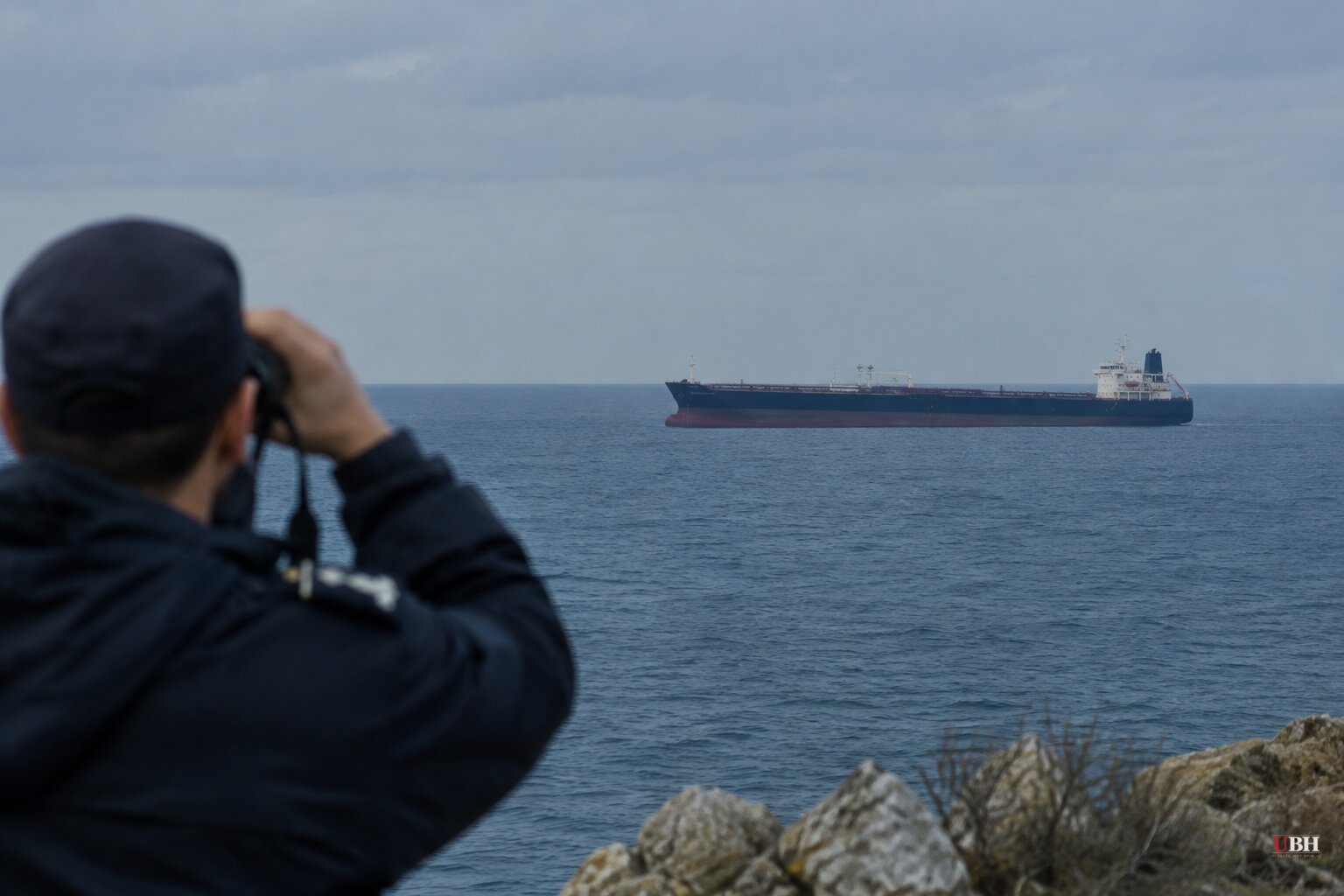
Since the first drone strikes on merchant ships off Romania and Bulgaria on Oct. 5, the campaign has grown to at least seven vessels by one count and eight by another. The latest published tally is two dead and at least 25 people unaccounted for. The new development is political: NATO governments are now openly weighing how to answer attacks they cannot yet formally pin on anyone.
The Newest Strikes
On Wednesday, Oct. 14, the Comoros-flagged tanker Yara J, carrying chemicals and oil from Turkey to Romania, was hit by a drone and caught fire. Romania's acting Defense Minister Radu Miruta confirmed an investigation is underway.
On Thursday, Oct. 15, the San Marino-flagged chemical tanker Wine Trader, en route from Tunisia to Romania, was hit and erupted in flames. Five crew members were rescued and seven remain missing. NATO said drones struck two ships in Romanian territorial waters overnight, and a third vessel just outside them.
Earlier in the month, two ships were hit near Bulgaria's coast. All 15 crew on the Ukraine-operated, Maltese-flagged Chelsea 3 were evacuated. Eleven crew on the Guinea-Bissau-flagged HS Dignity are still unaccounted for. One of the two vessels sank, and the attack set off alarm in Bulgaria and the EU.
Who Did It
No government has formally attributed the attacks. Romanian President Nicușor Dan said in Brussels on Thursday that "two drones" struck the vessels, but he did not name their origin. "There will be a reaction from the Romanian state," he said.
A NATO source told Reuters that the strikes on Wine Trader and Yara J were carried out by drones of Russian origin. That is one anonymous account, and investigations into the other attacks are ongoing.
Ukraine has accused Russia. Romanian authorities hold Russia responsible for turning the Black Sea into a dangerous zone for civilian shipping.
Bulgaria's position is more careful. Prime Minister Rumen Radev told Parliament: "There is no logic in Ukraine attacking its own ships and crews, given that the outcome of all these attacks favors Russia — and indeed, the logic points in that direction." He added that the problem is "that we cannot prove it." Other Bulgarian officials have said they have no clear evidence linking the attacks to Moscow.
A logical inference is not an attribution, and an attribution is what any formal alliance response would require.
The Wider Pattern
The ship strikes come amid a run of incidents Western governments have tied to Russia. In August, an explosives-laden drone was found near a Ukrainian cargo plane at Leipzig/Halle Airport in Germany. German authorities said the components were known from "Russian hybrid operations and its war against Ukraine," and the interior minister said intelligence pointed to people acting on behalf of Russian state entities.
Russian submarines have attempted to disable subsea cables in the Arctic, according to the USA Today report. Russian drones have repeatedly violated Latvian, Lithuanian and Estonian airspace. Polish authorities blamed Russia for a fire at a factory producing weapons for Ukraine.
EU foreign policy chief Kaja Kallas said: "We see them really increasing their attacks. They are testing how far they can go."
Former U.S. Ambassador to Poland Daniel Fried said Putin's instinct will be to find a space where pushing back is harder, "and the Russians have the ability to smirk and deny responsibility while everybody knows it's them."
What NATO Is Doing
NATO Secretary General Mark Rutte announced cooperation with allies in the region and adjustments to deterrence and defense measures. Romania said it will convene the North Atlantic Council.
Bulgarian Defense Minister Dimitar Stoyanov said on Oct. 14 that Bulgaria intends to join NATO's Drone Edge project by the end of October. Romania has already joined. The initiative, launched in July, aims to invest more than $40 billion in counter-drone capabilities over five years.
The attacks also threaten a critical global shipping route. Russia has bombarded Ukraine's Black Sea and Danube ports throughout the war, pushing Kyiv to rely more on alternative routes for grain exports to Africa and the Middle East. Russian drones have repeatedly entered Romanian airspace near some of those Danube ports.
The Open Question
The strikes hit ships inside the exclusive economic zones of NATO members, and some inside Romanian territorial waters. It remains unclear whether attacks on commercial vessels in those zones could justify invoking Article 5, the alliance's collective defense clause.
The next concrete steps are Romania's promised response, the North Atlantic Council session it plans to convene, and Bulgaria's Drone Edge entry by the end of this month. The search for the 25-plus missing sailors continues.
Sources used for this briefing
6 links from 6 independent newsrooms (syndicated copies of the same report count once)
These are the sources it draws on, linked so you can verify.


